

What is avant-garde?
- Show All
- Established
- Discoveries
- Show All
Artworks Related to Avant-garde

Hermann Nitsch
Untitled (Dual Forces), 2006
Limited Edition Print
Lithograph
EUR 3,900

Hermann Nitsch
Untitled (Organic Maze), 2006
Limited Edition Print
Mixed Media
EUR 3,200

Man Ray
La Ballade des dames hors du temps, Natasha, 1971
Limited Edition Print
Etching and Aquatint
EUR 3,125
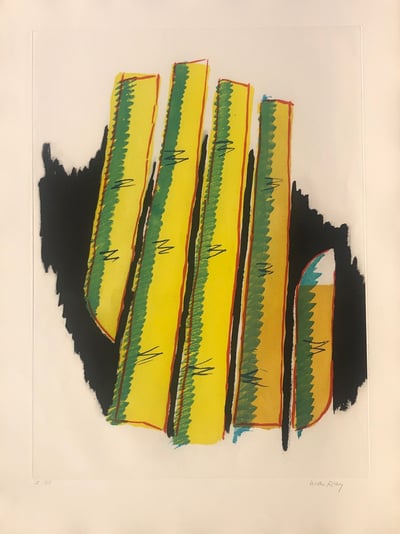
Man Ray
Cactus, 1969
Limited Edition Print
Aquatint
EUR 3,125
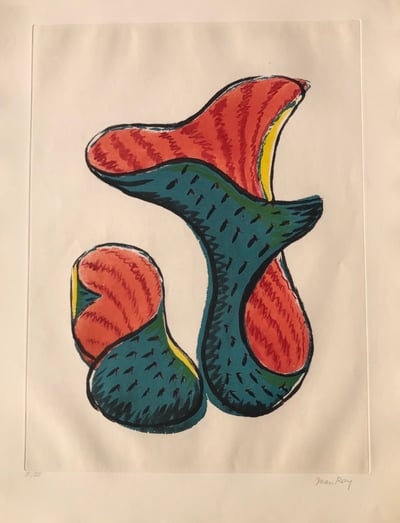
Man Ray
Untitled (from Transfiguration d' un Cactus), 1971
Limited Edition Print
Aquatint
EUR 3,125
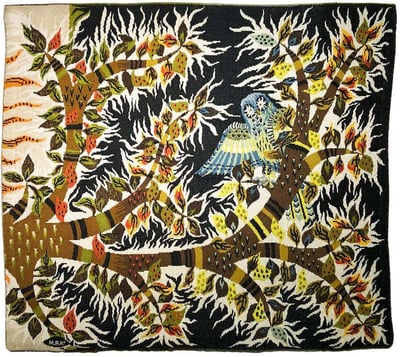
Man Ray
Nocturnal, c.1960
Tapestry
Tapestry
Currently Not Available
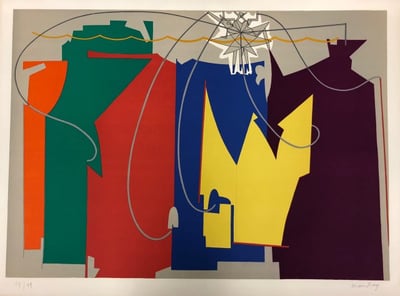
Man Ray
Danza Di Corda, 1972
Limited Edition Print
Lithograph
EUR 3,750

Constant Nieuwenhuys
L'ultima cena, 1980
Limited Edition Print
Etching and Aquatint
EUR 2,990

Man Ray
Cadeau, 1921
Sculpture / Object
Mixed Media
USD 1,950

Andy Warhol
Carter Burden, 1977
Limited Edition Print
Silkscreen
EUR 29,000

Hermann Nitsch
96 Aktion – Giardini San Martino, Napoli, T, 1996
Photography
Photograph
EUR 1,830

Hermann Nitsch
96 Aktion – Giardini San Martino, Napoli, R, 1996
Photography
Photograph
EUR 1,830

Hermann Nitsch
96 Aktion – Giardini San Martino, Napoli, P, 1996
Photography
Photograph
EUR 1,830

Hermann Nitsch
96 Aktion – Giardini San Martino, Napoli, M, 1996
Photography
Photograph
EUR 1,830

Hermann Nitsch
96 Aktion – Giardini San Martino, Napoli, I, 1996
Photography
Photograph
EUR 1,830
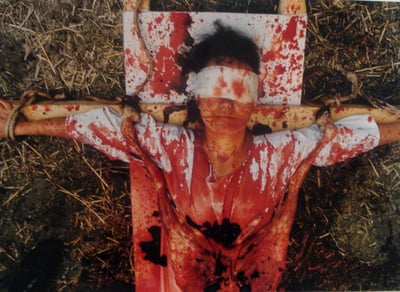
Hermann Nitsch
96 Aktion – Giardini San Martino, Napoli, C, 1996
Photography
Photograph
EUR 1,830
Related Articles

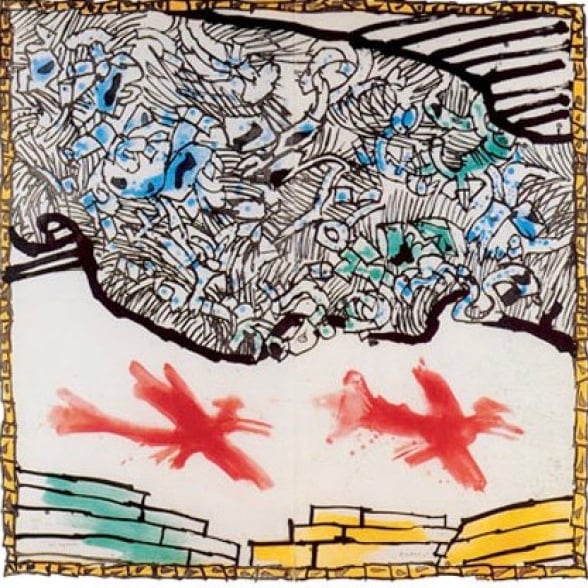
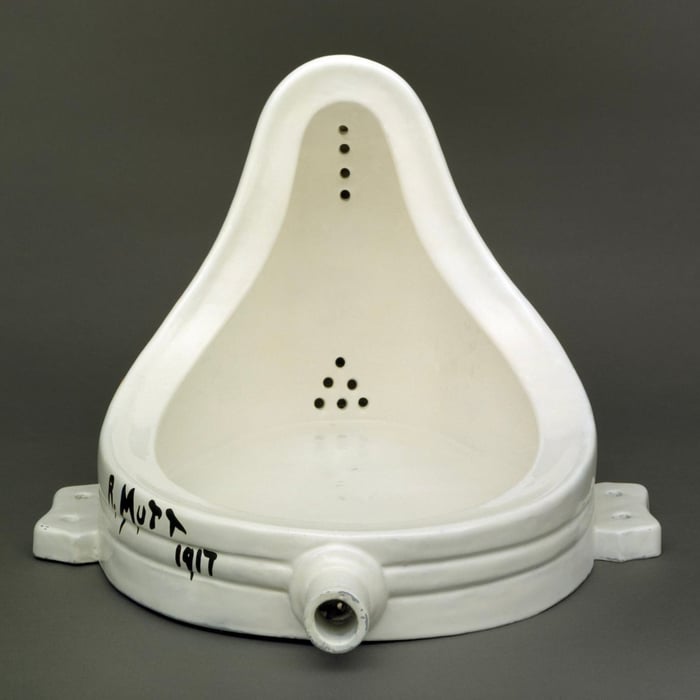

Performance Art is a genre of fine art that is traditionally interdisciplinary, involving various art forms. It can be scripted or unscripted, random or carefully orchestrated, spontaneous, or meticulously planned, with or without audience participation. Performance Art can be presented live or through media, with the artist either present or absent. It typically involves four basic elements: space, the performer’s body or presence through a medium, time, and the relationship between performer and audience. The artwork consists of actions performed by an individual or group in a specific time and space.
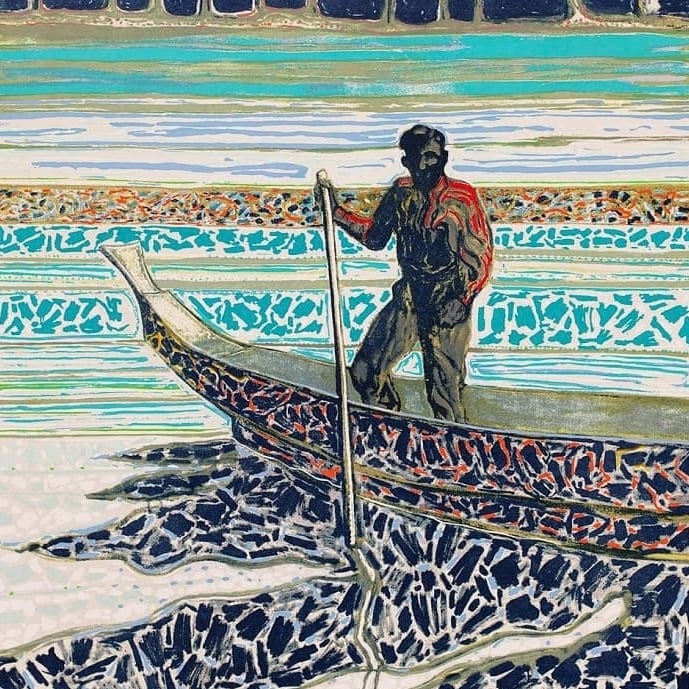
Stuckism is an art movement that promotes figurative painting over conceptual art. It was founded in 1999 by Charles Thomson and Billy Childish with an initial group of 13 artists in Britain. The movement has since expanded to 52 countries with 233 groups worldwide. Several manifestos, issued by Thomson and Childish, advocate for the spirit of modernism and the creation of spiritual art, regardless of medium, subject matter, or style. Stuckism emphasizes the importance of genuine expression and rejects the dominance of conceptual art in the contemporary art scene.

Constructivism is an architectural and artistic philosophy of Russian origin that emerged as a rejection of the idea of autonomous art. The movement advocated for art to serve practical social purposes. Since its inception in 1919, Constructivism has evolved and significantly impacted 20th-century art movements, influencing major trends such as De Stijl and Bauhaus.
Can't find your Answer?
Thank you! Your question has been sent — we'll get back to you shortly.
