

What is avant-garde?
- Show All
- Established
- Discoveries
- Show All
Artworks Related to Avant-garde

Andy Warhol
Orchids, 1983
Limited Edition Print
Screen-print
Inquire For Price
Andy Warhol
Private Listing
Limited Edition Print
Andy Warhol
Private Listing
Limited Edition Print

Andy Warhol
Shadows I, II.208 , 1979
Limited Edition Print
Screen-print
Inquire For Price

Andy Warhol
The Souper Dress, 1965
Limited Edition Print
Silkscreen
EUR 4,800
Andy Warhol
Private Listing
Limited Edition Print
Andy Warhol
Private Listing
Drawing / Watercolor

Andy Warhol
Marilyn F. S. 22, 1967
Limited Edition Print
Screen-print
Inquire For Price
Andy Warhol
Private Listing
Limited Edition Print

Andy Warhol
Flash - November 22, 1963 (F. & S. 39), 1968
Limited Edition Print
Screen-print
USD 9,540

Andy Warhol
Volkswagen (F. & S. II.358), 1985
Limited Edition Print
Screen-print
USD 80,000 - 90,000

Andy Warhol
Flash (November 22 1963) portfolio, 1968
Limited Edition Print
Screen-print
USD 100,000 - 120,000
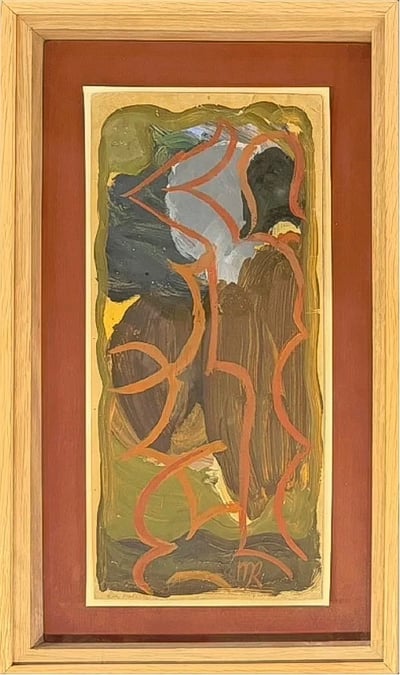
Man Ray
La Palette, 1944
Painting
Oil on paper
Inquire For Price

Andy Warhol
Flowers (Black and White), FS II.101, 1974
Limited Edition Print
Screen-print
USD 10,750

Andy Warhol
Mao (F & S II.90), 1972
Limited Edition Print
Screen-print
Inquire For Price

Andy Warhol
Gertrude Stein (FS II.227), 1980
Limited Edition Print
Screen-print
USD 16,500
Related Articles

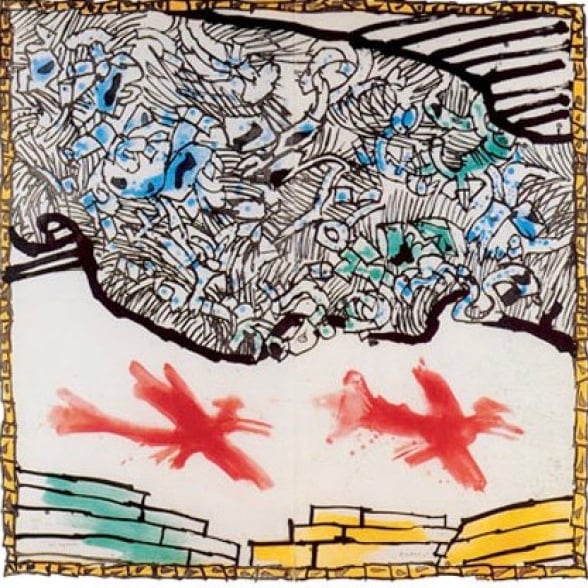
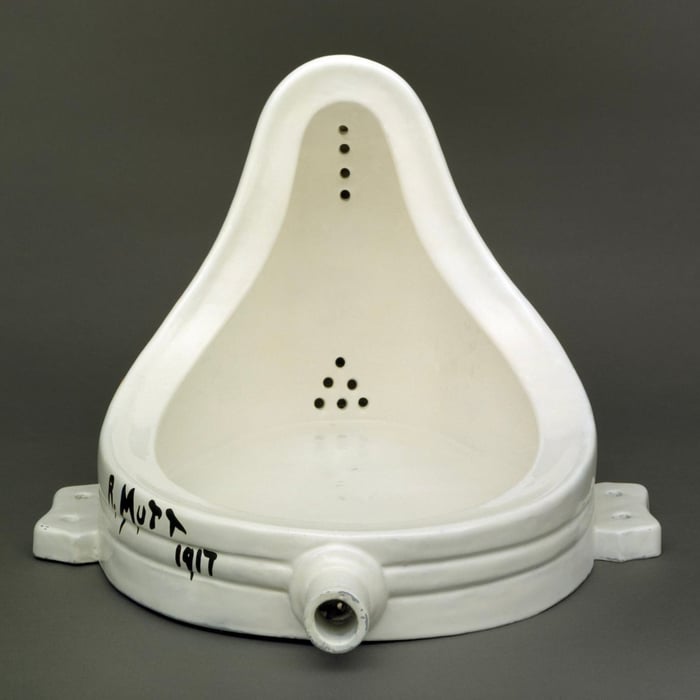
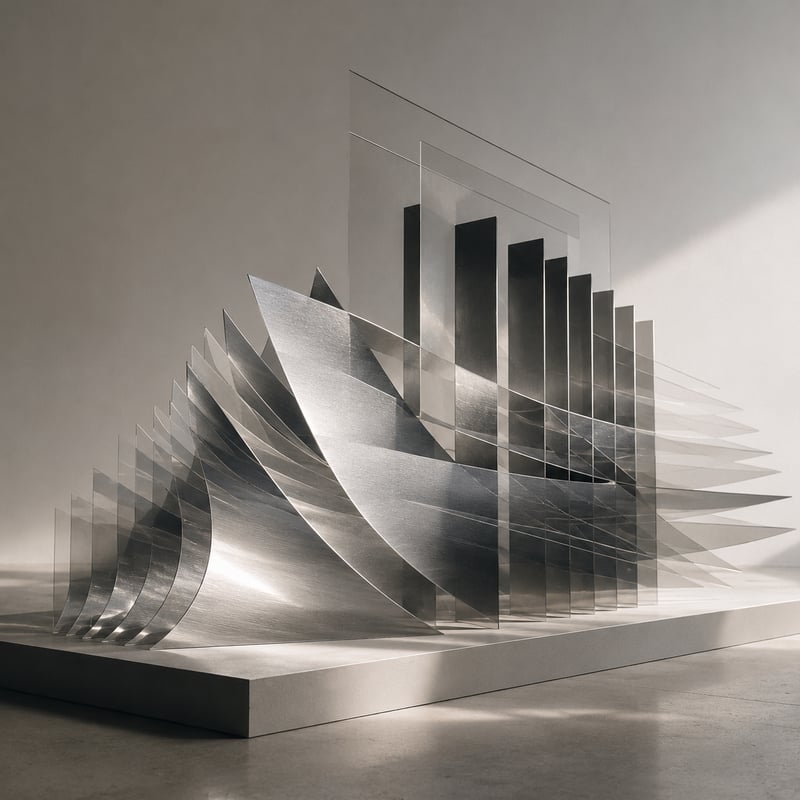
Futurism was an early 20th-century art movement that sought to capture the energy and dynamism of the modern world. The movement was launched by Italian poet Filippo Tommaso Marinetti, who published the Manifesto of Futurism on February 20, 1909. Futurism denounced the past and passionately embraced technology, industry, and the speed of modern life.

New Topographics is a term coined in 1975 by curator William Jenkins to describe a group of photographers whose work focused on formal black-and-white images of urban and industrial landscapes. Jenkins initially described their aesthetic as banal, but the photographers themselves argued that their compositions were as significant as those of natural landscapes, emphasizing the beauty in everyday, man-made environments.

Mosaic is an art form that involves creating images by arranging many small pieces of colored tile, glass, or other materials. These pieces, often numbering in the hundreds, are placed closely together like a puzzle, each piece contributing to the overall picture.
Can't find your Answer?
Thank you! Your question has been sent — we'll get back to you shortly.
