
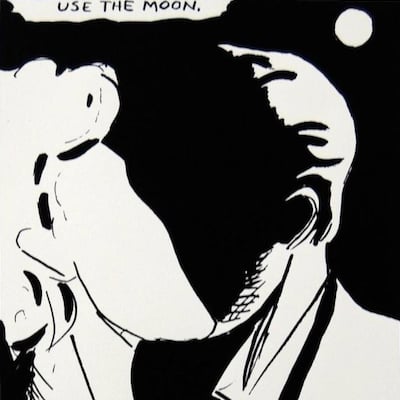
What is Comic Strip Art?
- Show All
- Established
- Discoveries
- Show All
Artworks Related to Comic Strip art
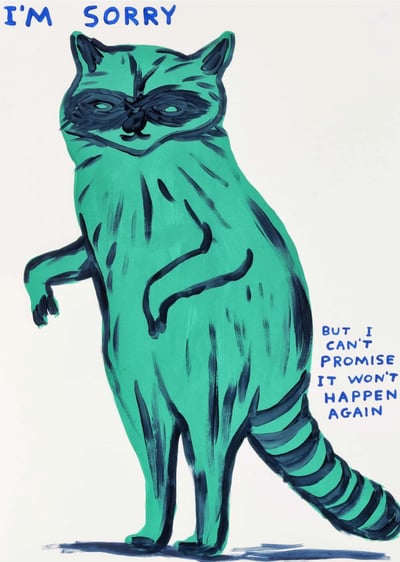
David Shrigley
I’m Sorry But I Can’t Promise It Won’t Happen Again, 2021
Limited Edition Print
Screen-print
GBP 4,250 - 5,500

Banksy
Gangsta Rat (Unsigned), 2004
Limited Edition Print
Screen-print
GBP 18,000 - 23,000

Banksy
CND Soldiers (Unsigned), 2005
Limited Edition Print
Screen-print
GBP 14,000 - 18,200
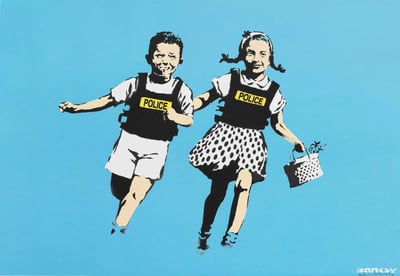
Banksy
Jack & Jill, 2005
Limited Edition Print
Screen-print
GBP 33,000 - 40,000
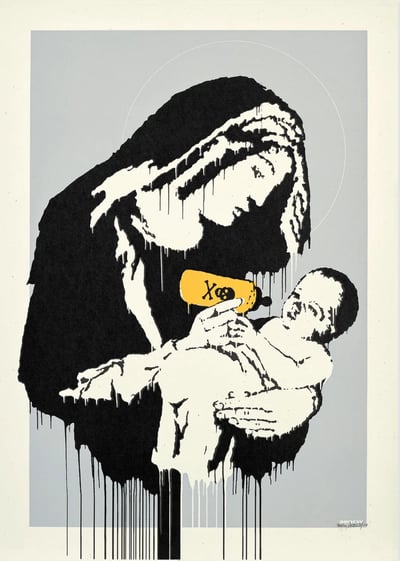
Banksy
Toxic Mary, 2003
Limited Edition Print
Screen-print
GBP 34,000 - 42,000

Andy Warhol
Flowers (F. & S. II.72), 1970
Limited Edition Print
Screen-print
GBP 78,000 - 100,000
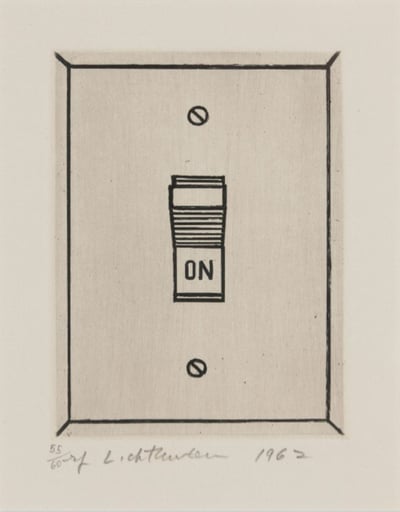
Roy Lichtenstein
On, 1962/64
Limited Edition Print
Etching
USD 25,225
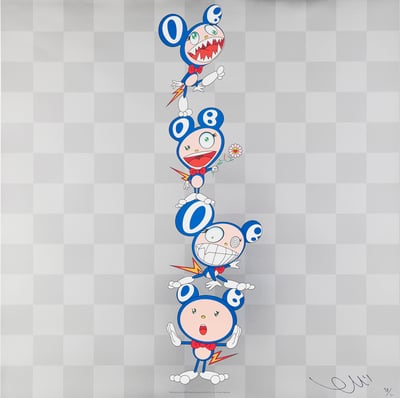
Takashi Murakami
DOB totem pole, 2000
Limited Edition Print
Offset Print
USD 1,400
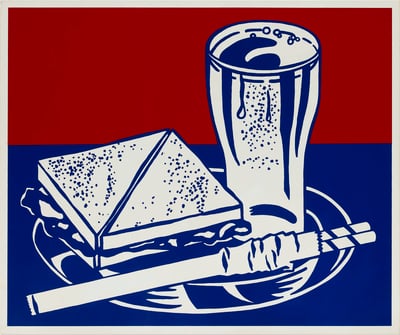
Roy Lichtenstein
Sandwich and Soda, 1964
Limited Edition Print
Screen-print
USD 19,500

Andy Warhol
Gee, Merrie Shoes, 1956
Limited Edition Print
Mixed Media
GBP 19,000
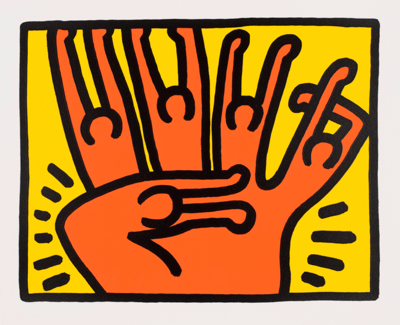
Keith Haring
Pop Shop VI, 1989
Limited Edition Print
Silkscreen
GBP 19,000

Andy Warhol
Electric Chair, 1971
Limited Edition Print
Screen-print
GBP 22,000

Andy Warhol
Campbell's Soup Can I: Black Bean, 1968
Limited Edition Print
Screen-print
GBP 65,000
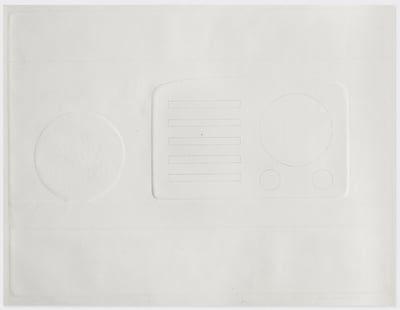
Tom Wesselmann
Still Life with Radio, 1965
Limited Edition Print
Embossing
Inquire For Price
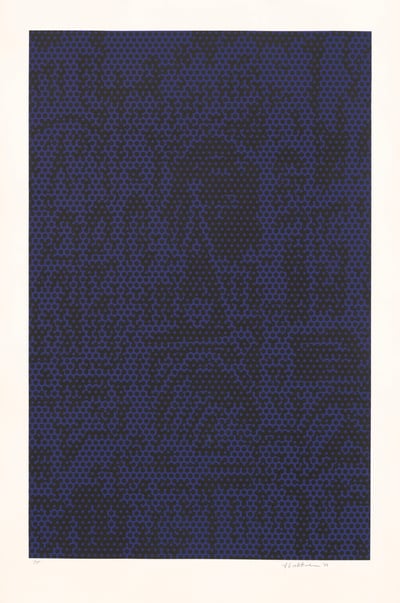
Roy Lichtenstein
Cathedral #6, 1969
Limited Edition Print
Lithograph
USD 21,200

Andy Warhol
Ted Turner, c. 1986
Limited Edition Print
Collage
Inquire For Price
Related Articles


Situationism is a psychological theory that gained prominence in 1968, following the publication of a monograph by Walter Mischel that sparked the Person-situation debate. This theory argues that behavior is primarily influenced by external situational factors rather than internal traits or motivations, challenging the ideas of trait theorists like Raymond B. Cattell and Hans Eysenck, who emphasized stable personality traits. It is important not to confuse this with the Situationist International movement, an artistic and political movement founded by Asger Jorn, which focused on the critique of modern consumer society and the influence of environments on human behavior.
Environmental art is a collective term that refers to a wide range of artistic practices and works that engage with historical and ecological themes. The term often encompasses ecological concerns, although it is not exclusively defined by them. Environmental art acknowledges and appreciates the early history of the environmental art movement, including works with activist themes and those celebrating the connection between nature and the artist through the use of natural materials.

Lithography is a printing method based on the principle that water and oil do not mix. It can be used to print artwork or text onto paper or other suitable materials. Traditionally, an image was drawn with wax, fat, or oil onto a lithographic limestone surface or plate. Today, metal plates and other surfaces are also used in lithographic printing.
Can't find your Answer?
Thank you! Your question has been sent — we'll get back to you shortly.
