
What is concrete art?
- Show All
- Established
- Discoveries
- Show All
Artworks Related to Concrete art

Victor Vasarely
Flower Girl, 1980
Limited Edition Print
Silkscreen
USD 2,000

Victor Vasarely
Vega
Limited Edition Print
Silkscreen
USD 780

Yaacov Agam
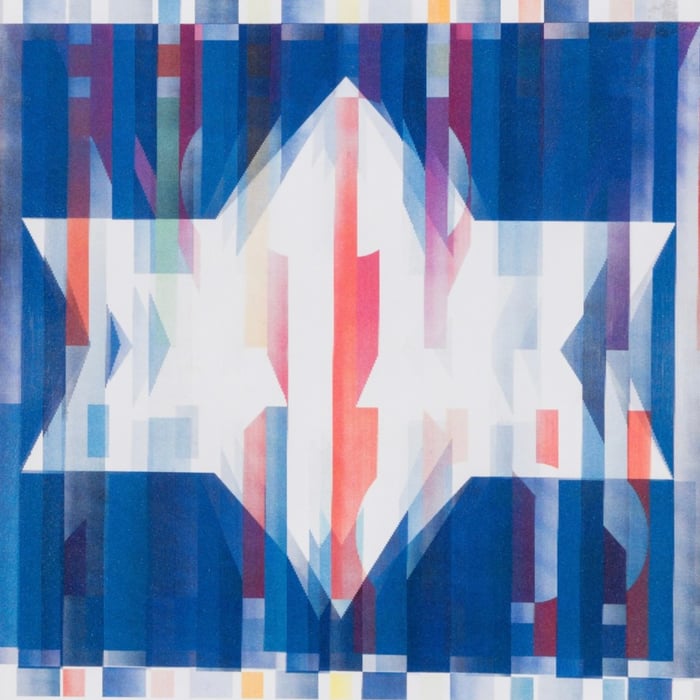
Hommage a Chopin I, 1970-80
Limited Edition Print
Mixed Media
USD 1,350

Heinz Mack
Terzett (against black), 2021
Limited Edition Print
Screen-print
Currently Not Available

Julio Le Parc
Modulation 911, 1987
Painting
Acrylic on paper
Currently Not Available

Victor Vasarely
Broey Neg
Limited Edition Print
Serigraph
EUR 950
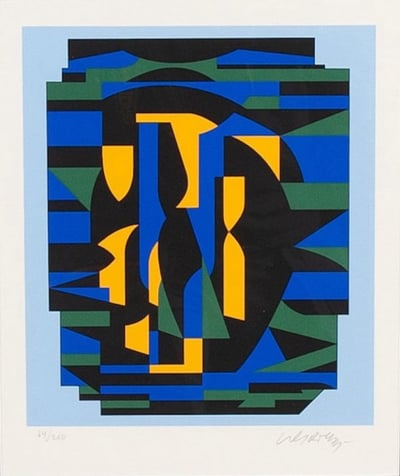
Victor Vasarely
Untitled ( From Ion)
Limited Edition Print
Serigraph
EUR 950
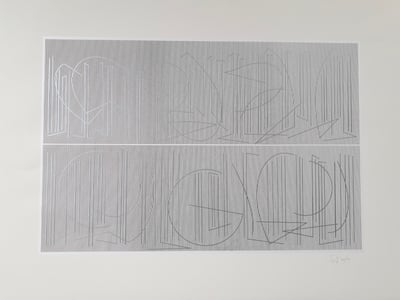
Rafael Jesus Soto
Untitled (Silver Lines)
Limited Edition Print
Screen-print
GBP 2,800

Luis Tomasello
S/T 1 - Verde, 2013
Limited Edition Print
Lithograph
EUR 3,000
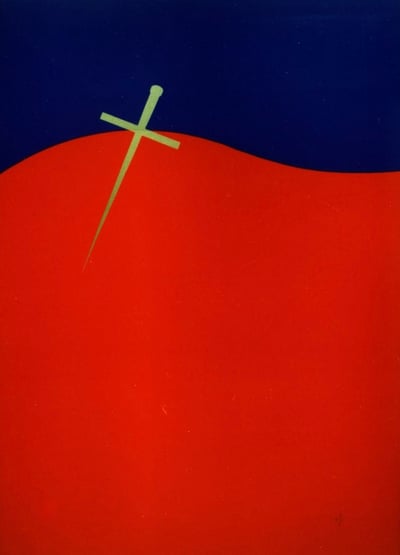
Rafael Jesus Soto
Homage to Federico Garcia Lorca, 1999
Limited Edition Print
Silkscreen
EUR 800

Victor Vasarely
Kervilahuen-BL, 1985
Limited Edition Print
Serigraph
Artwork On Hold

Rupprecht Geiger
Gegen die Folter
Limited Edition Print
Lithograph
Currently Not Available

Heinz Mack
Kunst im Jahr 2000, 1986
Limited Edition Print
Screen-print
Currently Not Available

Luis Tomasello
s/t 2, 2012
Sculpture / Object
Mixed Media
EUR 2,200

Luis Tomasello
s/t 3, 2012
Sculpture / Object
Mixed Media
EUR 2,200

Julio Le Parc
Vase surface colorée, 2017
Ceramics
Ceramic
EUR 500
Related Articles
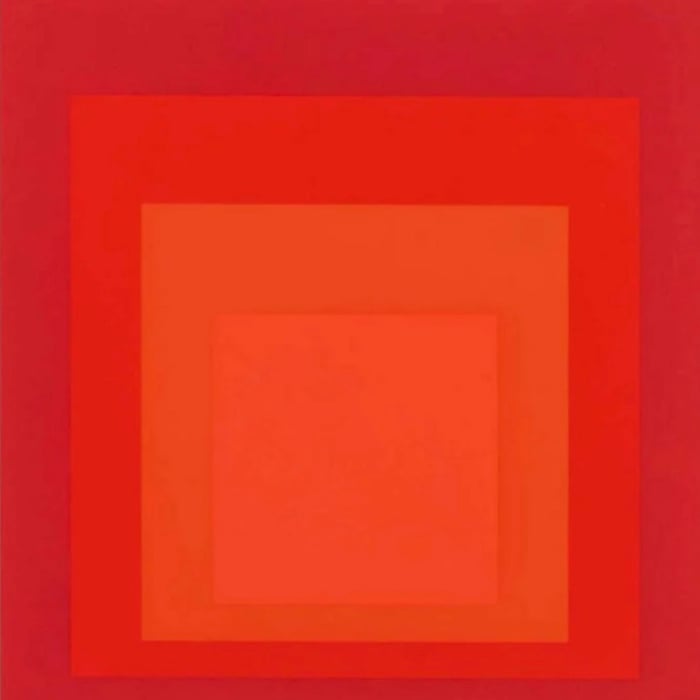

Colour Field Painting is an abstract style characterized by large areas of a single color or simple, solid colors. The term was first used in the 1950s to describe the work of three American Abstract Expressionist painters—Barnett Newman, Mark Rothko, and Clyfford Still. Their work emphasized the emotional power of color and the creation of vast, meditative spaces through expansive color fields.

Emulation is the process of recreating digital art to ensure it remains accessible and functional, even when the original technology used to create it becomes obsolete. This is done by using newer technology to replicate the experience and functionality of the original artwork, preserving art made with early cameras, software, and computers.

Multiples refer to a series of identical art objects produced in limited editions according to the artist's concept. These works are specifically created for sale and are often considered the most affordable and accessible form of contemporary art. What sets multiples apart is their lack of uniqueness, which is typically seen as essential in traditional artworks. Instead, they offer value and enjoyment while making contemporary art more widely available.
Can't find your Answer?
Thank you! Your question has been sent — we'll get back to you shortly.
