
What is Digital Art?
- Show All
- Established
- Discoveries
- Show All
Artworks Related to Digital Art
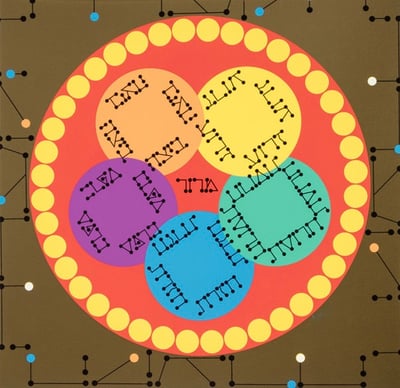
Yaacov Agam
Haggadah – Hakerara (The Seder Plate), 1985
Limited Edition Print
Silkscreen
USD 450
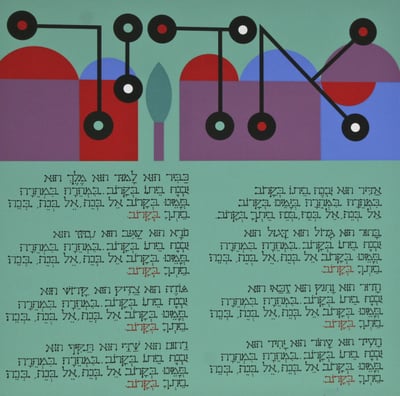
Yaacov Agam
Haggadah – Adir (Greatest), 1985
Limited Edition Print
Silkscreen
USD 450
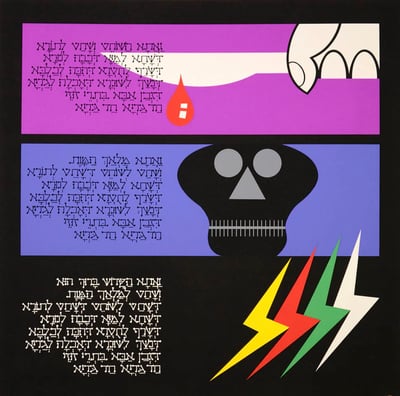
Yaacov Agam
Haggadah – Had Gadya #3 (The Little Lamb), 1985
Limited Edition Print
Silkscreen
USD 450
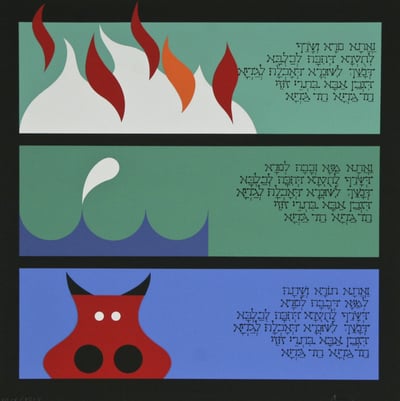
Yaacov Agam
Haggadah – Had Gadya #2 (The Little Lamb), 1985
Limited Edition Print
Silkscreen
USD 450
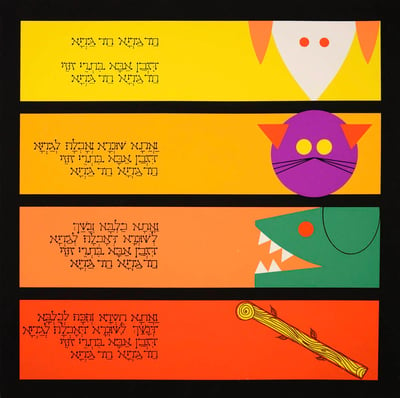
Yaacov Agam
Haggadah – Had Gadya #1 (The Little Lamb), 1985
Limited Edition Print
Silkscreen
USD 450

Julian Opie
Black Headed Gull (from Small Birds), 2020
Limited Edition Print
Mixed Media
USD 10,800

Julian Opie
Swamp Hen (from Small Birds), 2020
Limited Edition Print
Mixed Media
USD 10,800

Julian Opie
Melbourne Statuettes: Telephone, 2018
Sculpture / Object
Bronze
USD 18,950

Julian Opie
Long Hair: Boston Statuettes, 2020
Sculpture / Object
Bronze
USD 14,200

Julian Opie
Leggings: Boston Statuettes, 2020
Sculpture / Object
Bronze
USD 14,200
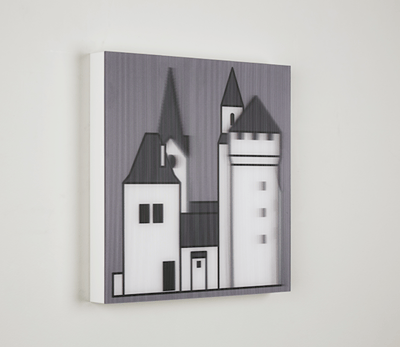
Julian Opie
Medieval Village 2, 2019
Limited Edition Print
Mixed Media
USD 4,400

Julian Opie
Medieval Village 1, 2019
Limited Edition Print
Mixed Media
USD 4,400

Julian Opie
Cargo shorts: Boston Statuette, 2020
Sculpture / Object
Bronze
USD 14,400

Julian Opie
Blazer: Boston Statuette, 2020
Sculpture / Object
Bronze
USD 14,400

Julian Opie
Cornish Coast 2: Polridmouth Coast, 2017
Limited Edition Print
Mixed Media
USD 7,800

Julian Opie
Cornish Coast 1: Lantivet Coast, 2017
Limited Edition Print
Mixed Media
USD 7,800
Related Articles

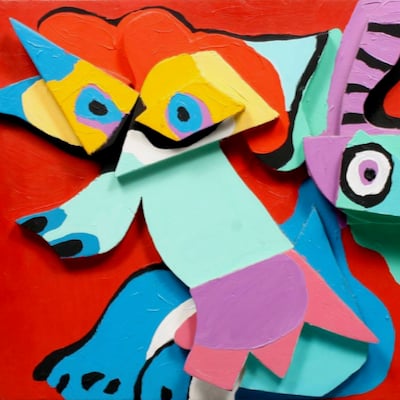
CoBrA stands for Copenhagen, Brussels, and Amsterdam; the group was formed with a desire to break away from the existing art movements of the time. Their critique of Western society led them to experiment and evolve into a significant international movement. CoBrA was founded on November 8, 1948, at the Notre Dame Café in Paris, where its manifesto was signed by Karel Appel, Joseph Noiret, Corneille, Christian Dotremont, Constant, and Asger Jorn. The group was united by a shared commitment to freedom in both form and color, and their work emphasized experimentation and spontaneity.

Meaning School of Things, Mono-ha originated in Tokyo in the mid-1960s. Instead of creating traditional artwork, the artists of Mono-ha used different materials and their natural properties to express dismay at the industrialization taking place in Japan at the time. The movement gained international attention and is now a widely respected form of art, known for its emphasis on the relationship between materials and their environment.

Bronze is a metal alloy made primarily of copper and tin, with a typical modern composition of 88% copper and 12% tin. Over time, bronze develops a patina, a surface color that often turns deep green due to oxidation. Large bronze objects, such as sculptures, are typically made in foundries. Bronze is valued for its durability and has been widely used throughout history for art, tools, and weapons.
Can't find your Answer?
Thank you! Your question has been sent — we'll get back to you shortly.
