
What is Digital Art?
- Show All
- Established
- Discoveries
- Show All
Artworks Related to Digital Art

Julian Opie
French Village 3, 2021
Limited Edition Print
Inkjet print
USD 12,000

Julian Opie
French Village 2, 2021
Limited Edition Print
Inkjet print
USD 12,000

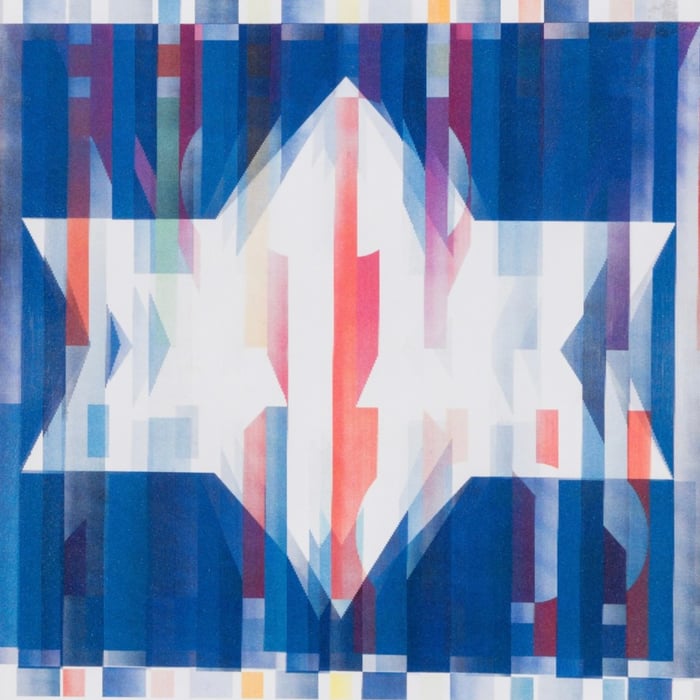
Yaacov Agam
Star of David - Abstract Illusionism, 1979
Limited Edition Print
Screen-print
EUR 1,400

Yaacov Agam
River Pebbel, Ca. 1970
Sculpture / Object
Mixed Media
EUR 1,900

Thomas Ruff
Q.i.C., 2021
Limited Edition Print
Mixed Media
EUR 1,200
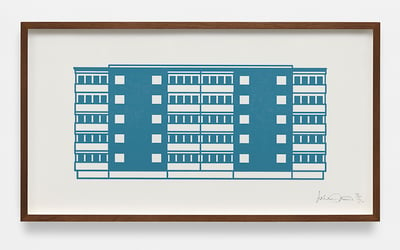
Julian Opie
Apartment 1, 2021
Limited Edition Print
Woodcut
USD 1,950

Julian Opie
French Village 1, 2021
Limited Edition Print
Inkjet print
USD 12,000
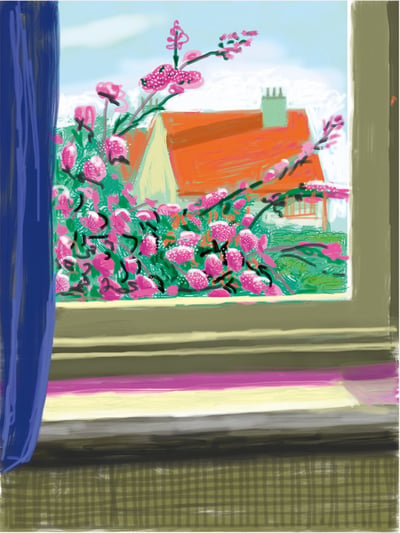
David Hockney
Ipad Drawing My Window. No. 778, 17th April 2011, 2019
Limited Edition Print
Inkjet print
GBP 39,700

Yaacov Agam
Megillat Esther, 1980
Limited Edition Print
Serigraph
USD 10,950
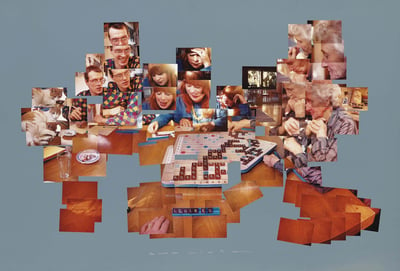
David Hockney
The Scrabble Game, 1983
Limited Edition Print
Collage
USD 42,500

Julian Opie
Imagine you are driving (fast)/Olivier w/helmet, 2002
Limited Edition Print
Lambda print
USD 8,000

Julian Opie
Imagine you are driving (fast)/Rio/helmet, 2002
Limited Edition Print
Lambda print
USD 8,990

Yaacov Agam
Hommage a Chopin I, 1970-80
Limited Edition Print
Mixed Media
USD 1,350
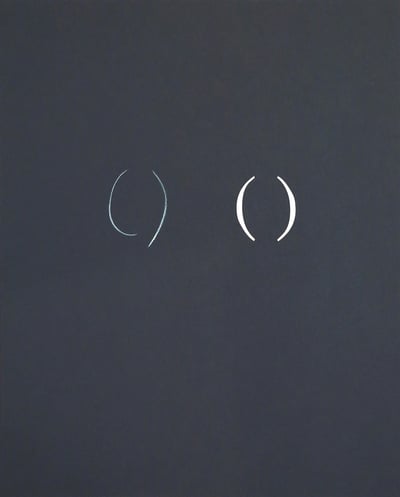
Antoni Muntadas
Puntuacions 15, 2017
Limited Edition Print
Lithograph
Currently Not Available
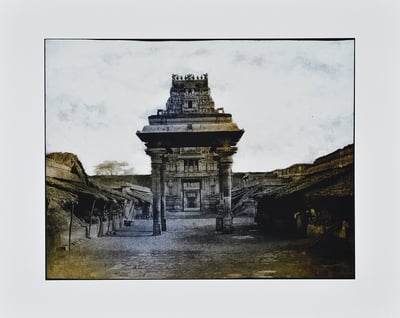
Thomas Ruff
Tripe_12 (Seeringham, Munduppum inside gateway), 2018
Photography
Inkjet print
GBP 1,800
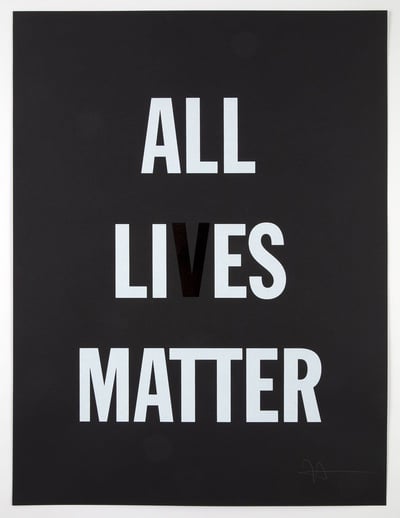
Hank Willis Thomas
All Li es Matter, 2019
Limited Edition Print
Lithograph
Currently Not Available
Related Articles

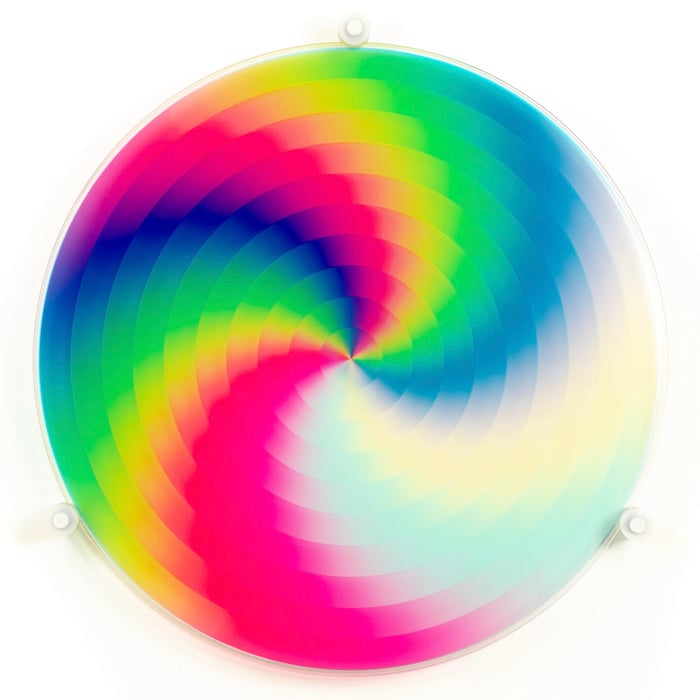
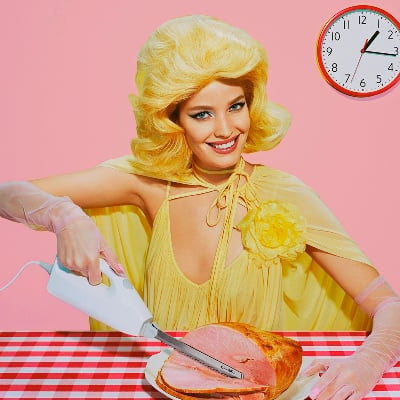
Contemporary art refers to avant-garde or innovative art created in the recent past or present day. The exact starting point of contemporary art varies depending on the institution, often tied to the founding year of museums or galleries that showcase the style. Contemporary art is characterized by its focus on current ideas, diverse media, and the exploration of new concepts and techniques.
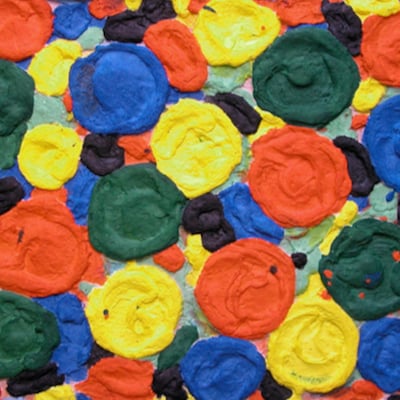
Aquagravure is a technique that combines multiple processes. It involves compressing wet paper pulp in a carved wood mold until the water drains off. The compressed paper is then painted, and ink is added to the mold to print onto the painted paper. The final work is allowed to dry. This method results in a unique textural and visual effect, blending elements of printmaking and papermaking.

Décollage is an art technique involving the removal, cutting, or tearing away of parts of an original image. The term comes from the French word meaning to take off or to unstick. Artists use this method to challenge or replace existing values, often symbolically tearing away influences from media or conventional thinking.
Can't find your Answer?
Thank you! Your question has been sent — we'll get back to you shortly.
