
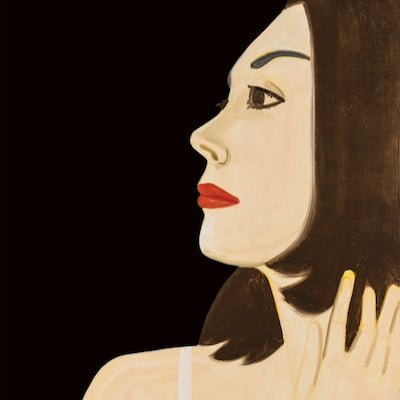
What is figurative art?
- Show All
- Established
- Discoveries
- Show All
Artworks Related to Figurative art
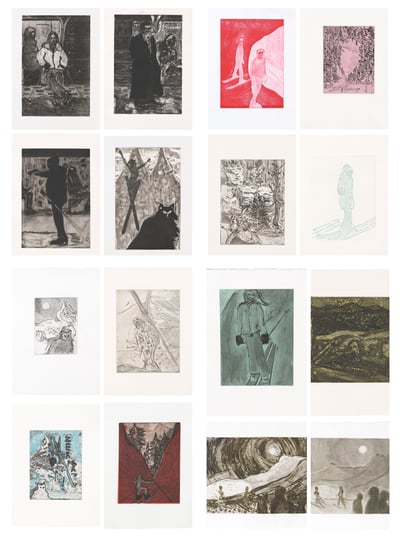
Peter Doig
Alpine Etchings (Set), 2021
Limited Edition Print
Etching and Aquatint
Inquire For Price
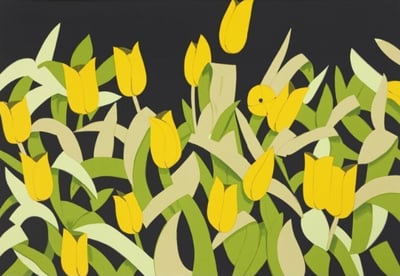
Alex Katz
Yellow Tulips, 2014
Limited Edition Print
Silkscreen
Inquire For Price

Alex Katz
White Roses, 2014
Limited Edition Print
Screen-print
EUR 55,000
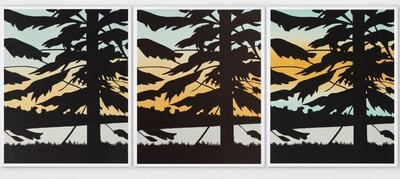
Alex Katz
Twilight (Portfolio of 3), 2009
Limited Edition Print
Aquatint
Inquire For Price
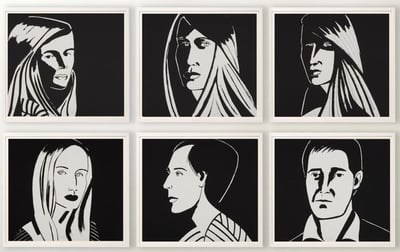
Alex Katz
Six Aquatints (Portfolio of 6), 2013
Limited Edition Print
Aquatint
Inquire For Price

Alex Katz
Reflection II, 2011
Limited Edition Print
Etching
EUR 7,500
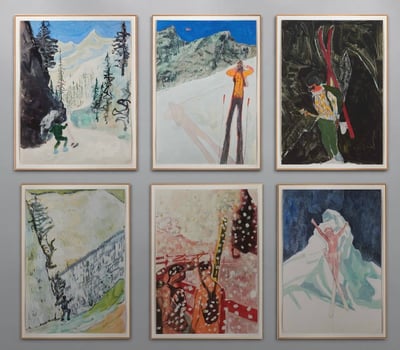
Peter Doig
Zermatt (Set of 6), 2022
Limited Edition Print
Giclée printing
Inquire For Price

Peter Doig
Untitled (Canoe), 2008
Limited Edition Print
Etching
EUR 2,000

Alex Katz
Harbor 10, 2006
Limited Edition Print
Aquatint
EUR 6,200

Alex Katz
Sissel, 2006
Limited Edition Print
Aquatint
EUR 6,200

Keith Haring
Barking Dog (from White Icons), 1990
Limited Edition Print
Embossing
USD 10,900

Francesco Clemente
Reconciliazione, 1986
Limited Edition Print
Mixed Media
Currently Not Available

Thiebaud Wayne
Cut Cakes, 2015
Limited Edition Print
Mixed Media
USD 14,250
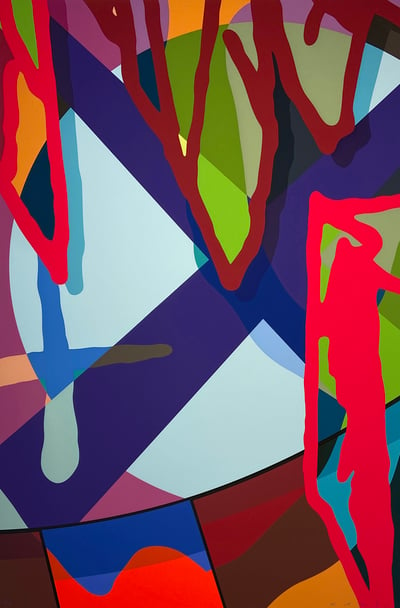
KAWS
Tension #3, 2019
Limited Edition Print
Serigraph
USD 15,500
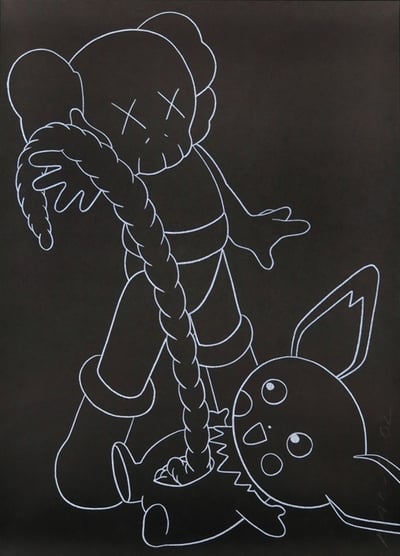
KAWS
Companion vs Pikachu, 2002
Limited Edition Print
Screen-print
USD 11,350
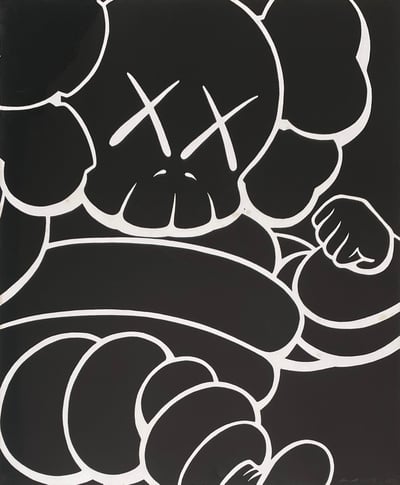
KAWS
Running Chum #1, 2000
Limited Edition Print
Silkscreen
Inquire For Price
Related Articles

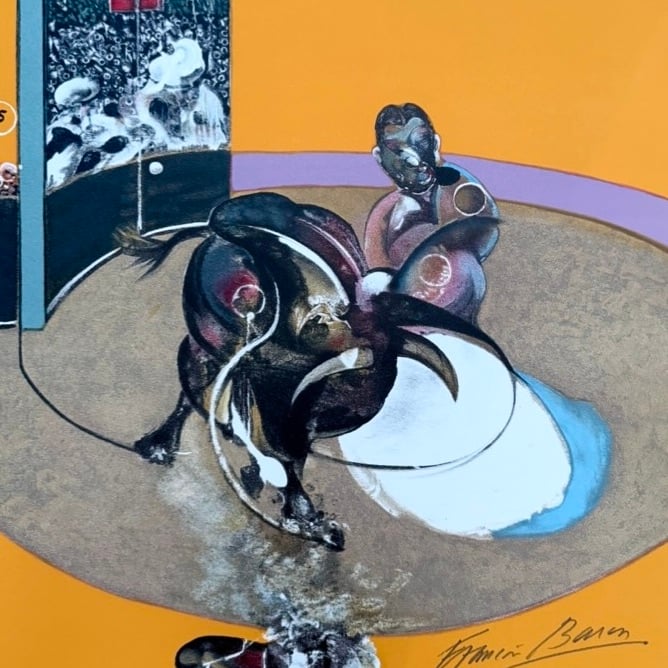


Site-Specific Art is a form of artwork created to exist in a particular location, with the artist considering the site as an integral part of the creative process. Robert Irwin was a key figure in promoting this art form in California. Site-Specific Art emerged as a reaction against modernist objects, which were often portable, commodified, and confined to museum spaces. In contrast, Site-Specific Art is inherently tied to its location, challenging the traditional notions of art as a transportable and marketable commodity.

Lyrical abstraction is a descriptive term characterizing a type of abstract painting closely related to Abstract Expressionism, in use from the 1940s to the present. The term can also describe two distinct but related trends in post-World War II modernist painting. This art movement originated in Paris, France, after the war, emphasizing personal expression, spontaneity, and the emotional use of color and form.

Readymade is the term coined by French artist Marcel Duchamp to describe artworks created from manufactured objects. Duchamp selected ordinary, functional items that he felt had visual indifference, turning them into art simply by choosing and presenting them in a new context. This concept challenged traditional notions of art and continues to influence artists who adopt similar approaches today.
Can't find your Answer?
Thank you! Your question has been sent — we'll get back to you shortly.
