
What is Latin American art?
- Show All
- Established
- Discoveries
- Show All
Artworks Related to Latin American Art

Julio Le Parc
Dessin Infinie 32, 2022
Drawing / Watercolor
Marker
EUR 2,000

Julio Le Parc
Dessin Infinie 29, 2022
Drawing / Watercolor
Marker
EUR 2,000

Julio Le Parc
Dessin Infinie 27, 2022
Drawing / Watercolor
Marker
EUR 2,000

Julio Le Parc
Dessin Infinie 26, 2022
Drawing / Watercolor
Marker
EUR 2,000

Julio Le Parc
Dessin Infinie 25, 2022
Drawing / Watercolor
Marker
EUR 2,000

Julio Le Parc
Dessin Infinie 22, 2022
Drawing / Watercolor
Marker
EUR 2,000

Julio Le Parc
Dessin Infinie 19, 2022
Drawing / Watercolor
Marker
EUR 2,000

Julio Le Parc
Dessin Infinie 13, 2022
Drawing / Watercolor
Marker
EUR 2,000

Julio Le Parc
Dessin Infinie 14, 2022
Drawing / Watercolor
Marker
EUR 2,000
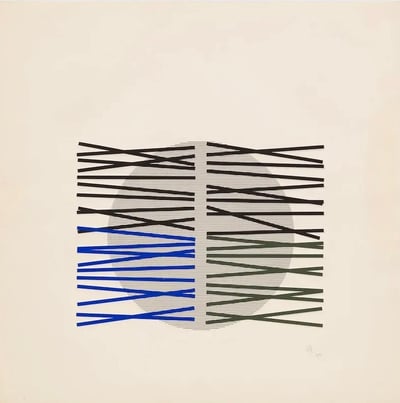
Rafael Jesus Soto
Untitled (circles and lines), 1970
Limited Edition Print
Screen-print
EUR 3,750

Wifredo Lam
Clairière (from Pleni Luna), 1974
Limited Edition Print
Lithograph
EUR 1,550
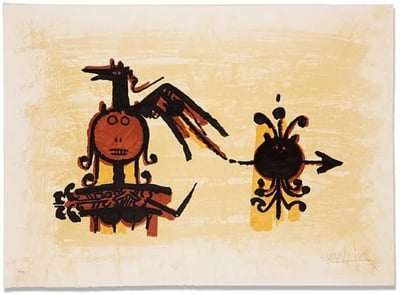
Wifredo Lam
The Last Voyage of the Ghost Ship 4, 1976
Limited Edition Print
Lithograph
EUR 1,350
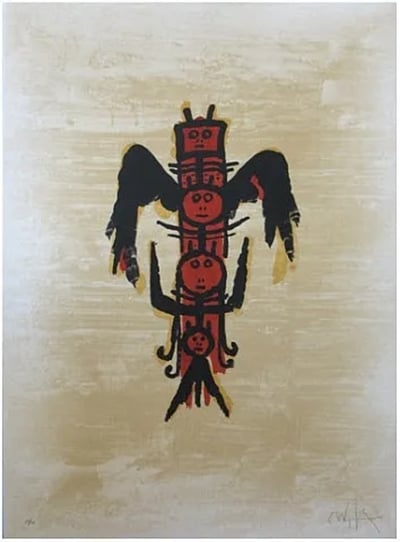
Wifredo Lam
The Last Voyage of the Ghost Ship 2, 1976
Limited Edition Print
Lithograph
EUR 1,350
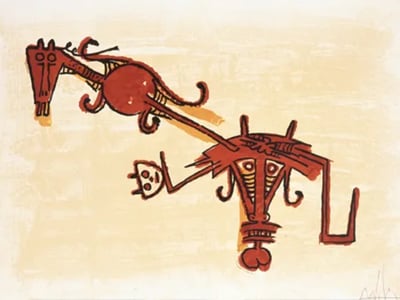
Wifredo Lam
The Last Voyage of the Ghost Ship 1, 1976
Limited Edition Print
Lithograph
EUR 1,350
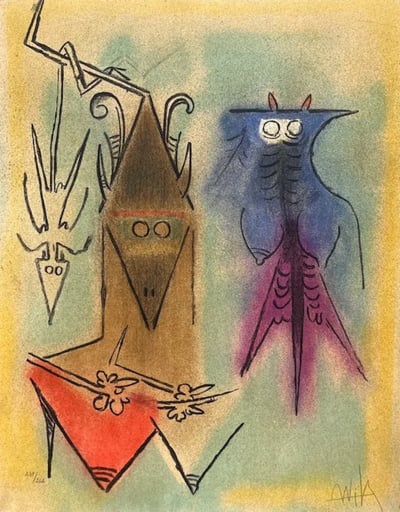
Wifredo Lam
Pleni Luna ( Demons familiers), 1974
Limited Edition Print
Lithograph
Currently Not Available
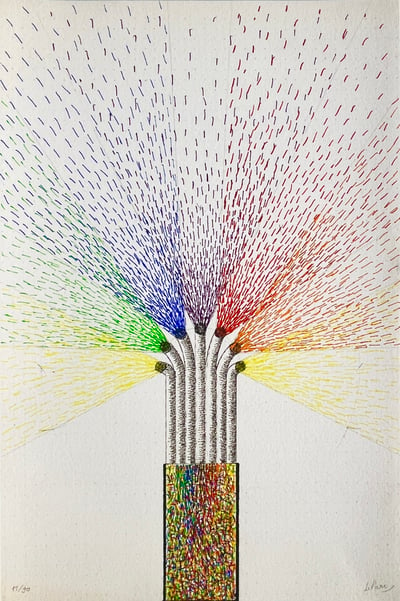
Julio Le Parc
Dessin au téléphone, 2024
Limited Edition Print
Digital Print on paper
EUR 1,000
Related Articles
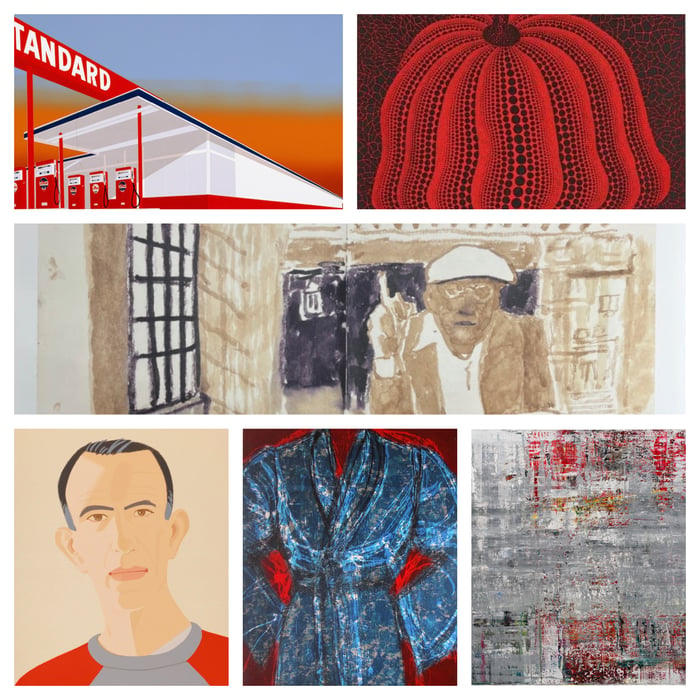
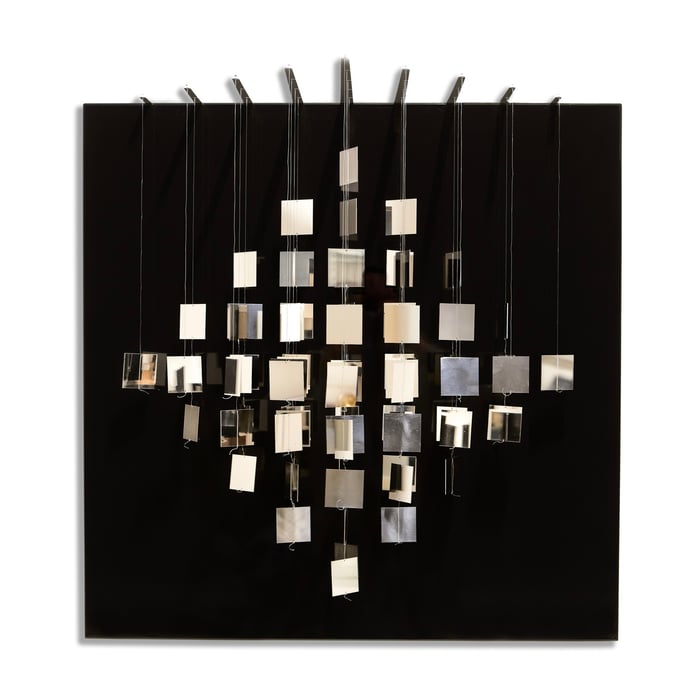
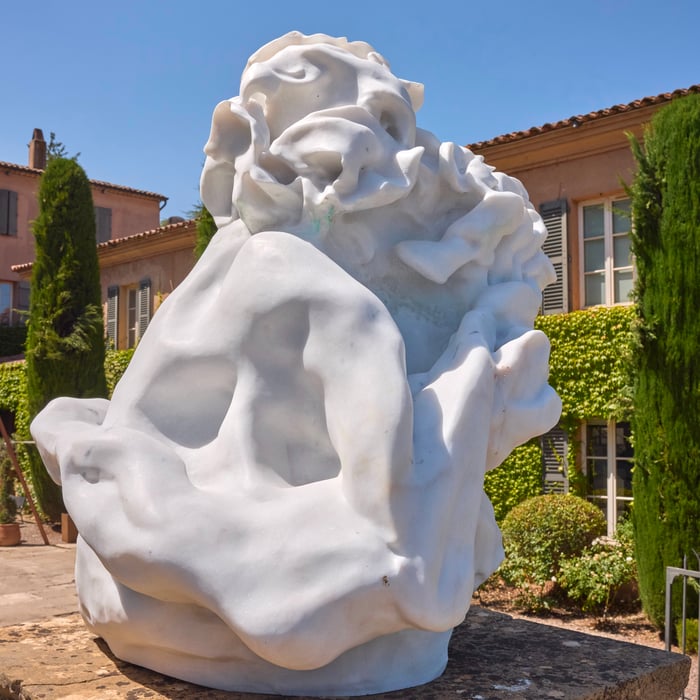

Photorealism is a genre of art or artistic movement that involves drawing, painting, and other graphic media in which the artist carefully studies a photograph and attempts to reproduce it as realistically as possible in another medium. While the term can broadly describe any artwork created in this manner, it specifically refers to a group of painters and paintings in the U.S. art movement that emerged in the late 1960s and early 1970s.
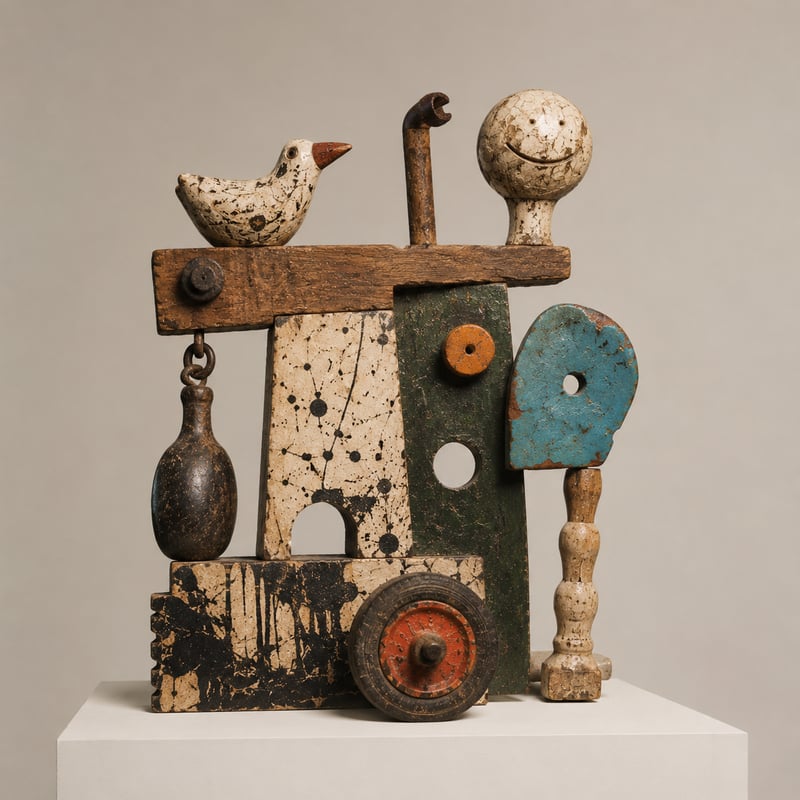
In the 1960s, Funk Art emerged as a reactive movement against Abstract Expressionism. It was widely known as an anti-establishment movement, with the name derived from the jazz term funky. This term carried both positive and negative connotations: in the jazz world, it described passion, quirkiness, and sensuality, but it could also refer to a foul odor. Funk Art was particularly popular in the California Bay Area. While the artists of the Funk Art era shared similar attitudes and styles, they did not see themselves as part of a formal group or movement.

A body print is an art technique where the artist uses their body as a printing plate. This can be done by smearing grease, margarine, or oil on the skin, hair, and clothes, then pressing the body against a surface like paper. The oiled imprint is then dusted with pigment. Unlike a self-portrait, a body print explores two competing concepts of identity rather than capturing a likeness of the artist. The method emphasizes the physicality of the body while questioning the boundaries between self-representation and abstraction.
Can't find your Answer?
Thank you! Your question has been sent — we'll get back to you shortly.
