

Pleni Luna ( Demons familiers), 1974
Form
Medium
Size
- Inches
- Centimeters
Edition
Price
- Authenticity Guaranteed
- Insured Shipping
- Online Since 2005
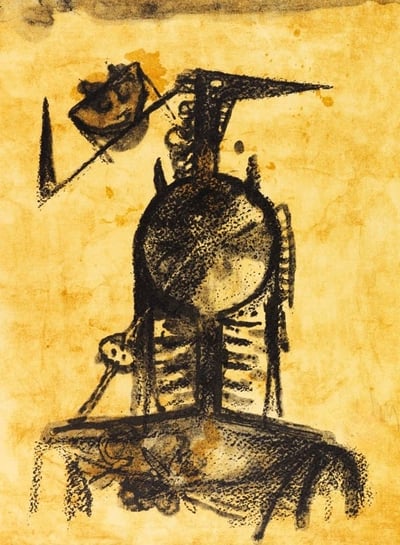
Wifredo Lam
Jean Cassou, 1975
Limited Edition Print
Lithograph
EUR 980
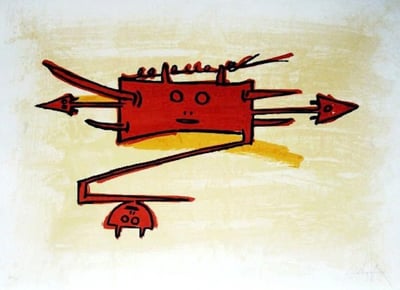
Wifredo Lam
El último viaje del buque fantasma VI, 1976
Limited Edition Print
Lithograph
EUR 850
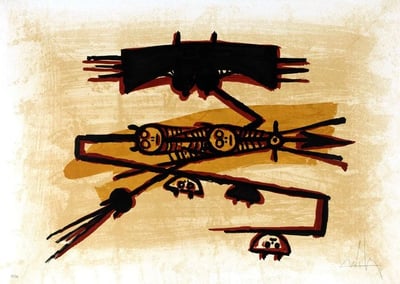
Wifredo Lam
El último viaje del buque fantasma III, 1976
Limited Edition Print
Lithograph
EUR 850

Wifredo Lam
Clairière (from Pleni Luna), 1974
Limited Edition Print
Lithograph
EUR 1,550
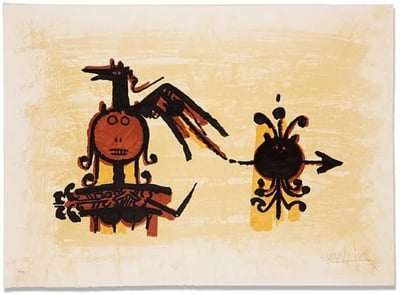
Wifredo Lam
The Last Voyage of the Ghost Ship 4, 1976
Limited Edition Print
Lithograph
EUR 1,350
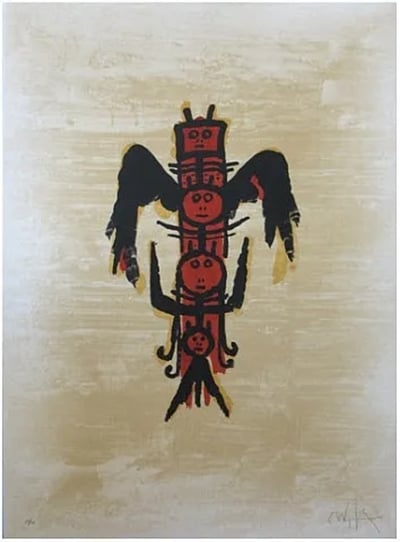
Wifredo Lam
The Last Voyage of the Ghost Ship 2, 1976
Limited Edition Print
Lithograph
EUR 1,350
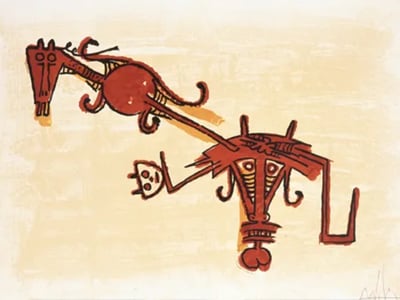
Wifredo Lam
The Last Voyage of the Ghost Ship 1, 1976
Limited Edition Print
Lithograph
EUR 1,350
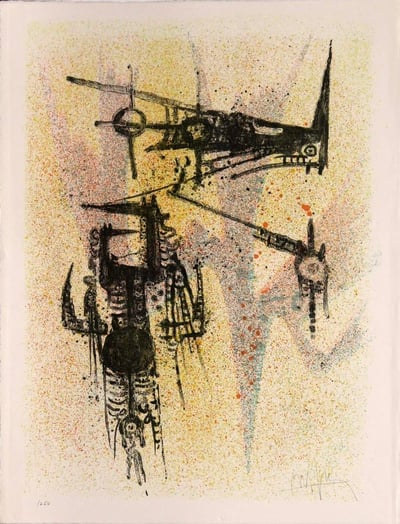
Wifredo Lam
Untitled (from the Flight), 1968
Limited Edition Print
Lithograph
USD 1,100

Wifredo Lam
Contre une maison sèche (light), 1977
Limited Edition Print
Etching and Aquatint
USD 1,100
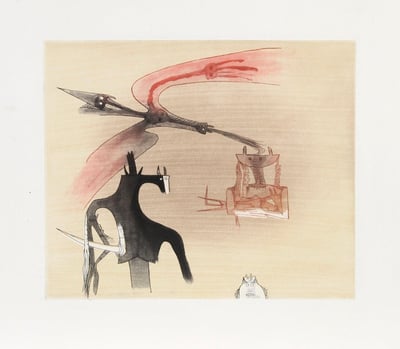
Wifredo Lam
Contre une maison sèche (red), 1977
Limited Edition Print
Etching and Aquatint
USD 1,100
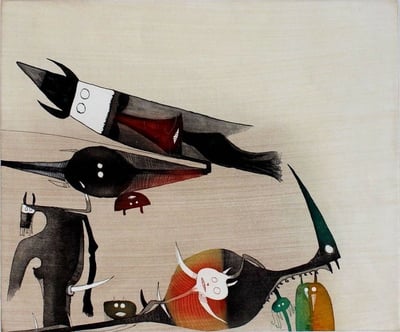
Wifredo Lam
Sans titre - XXe siecle plate #5, 1977
Limited Edition Print
Etching and Aquatint
USD 1,100
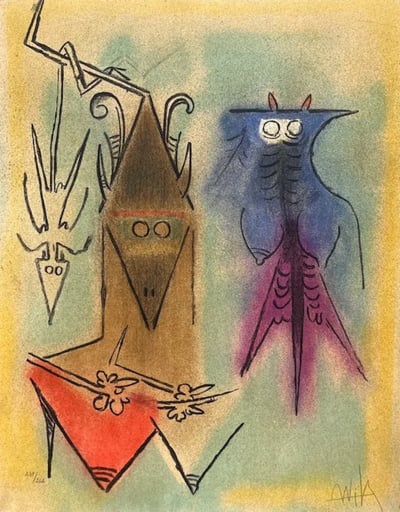
Wifredo Lam
Pleni Luna ( Demons familiers), 1974
Limited Edition Print
Lithograph
Currently Not Available
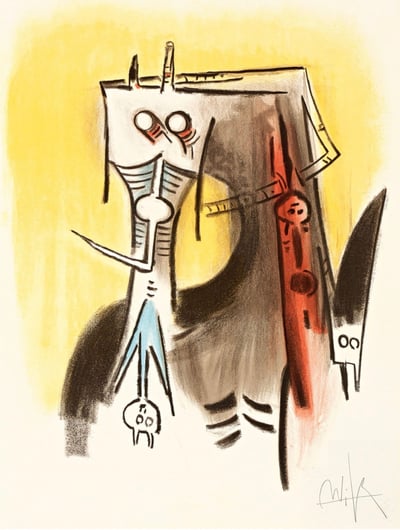
Wifredo Lam
Le regard vertical #1, 1973
Limited Edition Print
Lithograph
Currently Not Available
Available works by Wifredo Lam
See all →Wifredo Lam
Jean Cassou, 1975
Limited Edition Print
Lithograph
EUR 980
Wifredo Lam
El último viaje del buque fantasma VI, 1976
Limited Edition Print
Lithograph
EUR 850
Wifredo Lam
El último viaje del buque fantasma III, 1976
Limited Edition Print
Lithograph
EUR 850
Wifredo Lam
Clairière (from Pleni Luna), 1974
Limited Edition Print
Lithograph
EUR 1,550
Wifredo Lam
The Last Voyage of the Ghost Ship 4, 1976
Limited Edition Print
Lithograph
EUR 1,350
Wifredo Lam
The Last Voyage of the Ghost Ship 2, 1976
Limited Edition Print
Lithograph
EUR 1,350
Related Artists
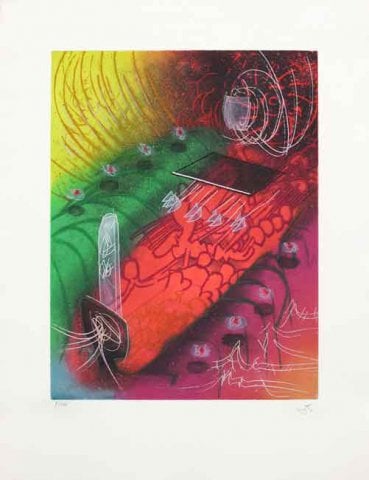
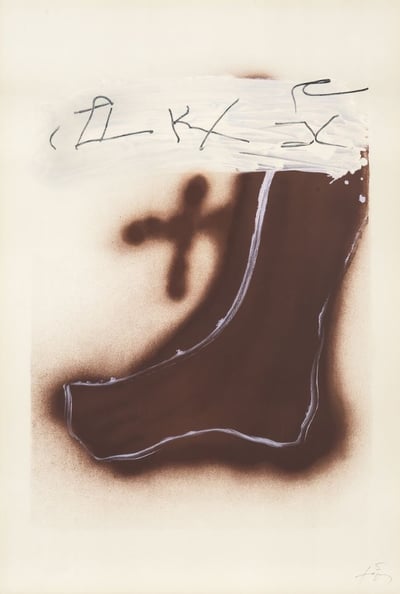


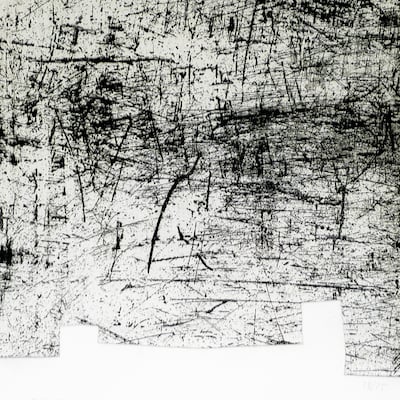
What is abstract art?
Abstract art uses form, shape, line, and color to create a visual experience without attempting to represent external reality. The composition exists independently of the world's visual references, focusing on expressing ideas and emotions through non-representational means.

Wifredo Lam
Pleni Luna ( Demons familiers), 1974
65 x 50 cm


