

Le regard vertical #1, 1973
Form
Medium
Size
- Inches
- Centimeters
Edition
Price
- Authenticity Guaranteed
- Insured Shipping
- Online Since 2005
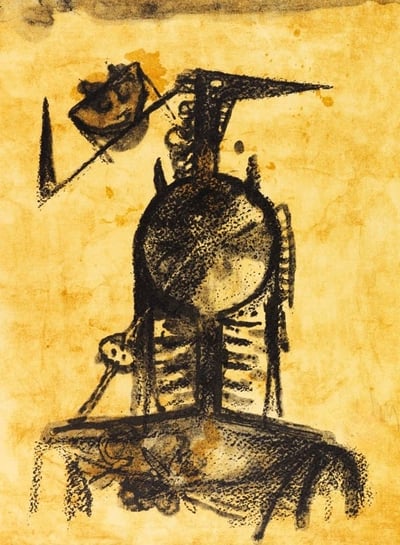
Wifredo Lam
Jean Cassou, 1975
Limited Edition Print
Lithograph
EUR 980
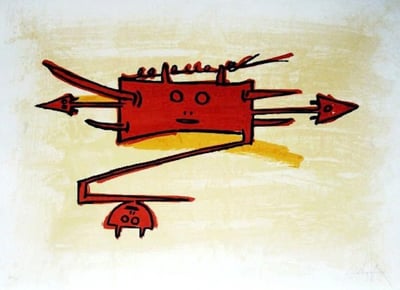
Wifredo Lam
El último viaje del buque fantasma VI, 1976
Limited Edition Print
Lithograph
EUR 850
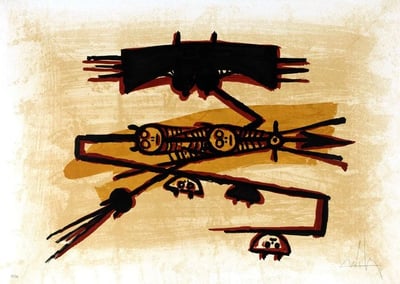
Wifredo Lam
El último viaje del buque fantasma III, 1976
Limited Edition Print
Lithograph
EUR 850

Wifredo Lam
Clairière (from Pleni Luna), 1974
Limited Edition Print
Lithograph
EUR 1,550
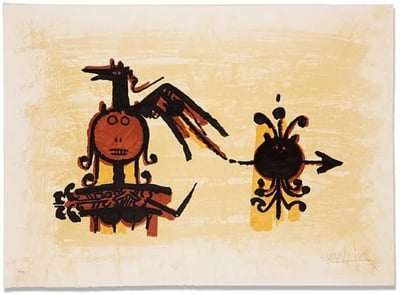
Wifredo Lam
The Last Voyage of the Ghost Ship 4, 1976
Limited Edition Print
Lithograph
EUR 1,350
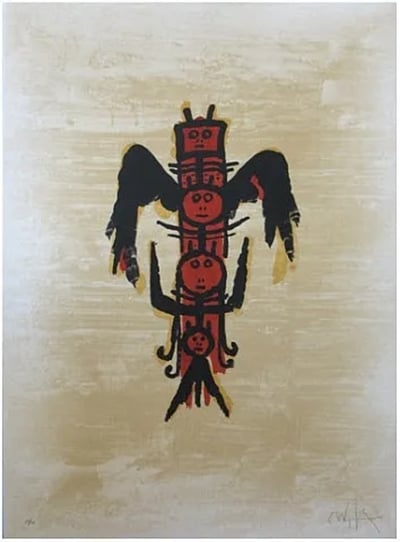
Wifredo Lam
The Last Voyage of the Ghost Ship 2, 1976
Limited Edition Print
Lithograph
EUR 1,350
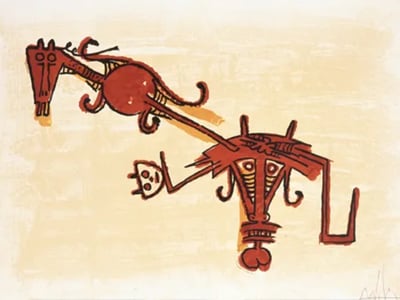
Wifredo Lam
The Last Voyage of the Ghost Ship 1, 1976
Limited Edition Print
Lithograph
EUR 1,350
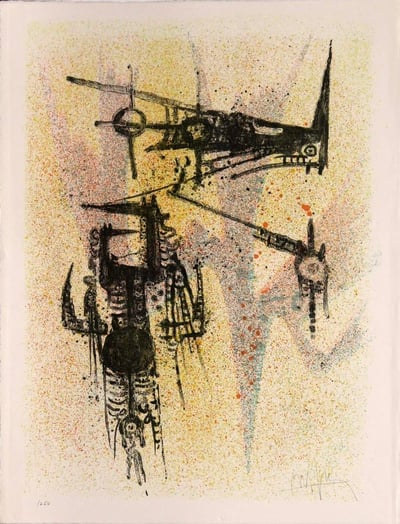
Wifredo Lam
Untitled (from the Flight), 1968
Limited Edition Print
Lithograph
USD 1,100

Wifredo Lam
Contre une maison sèche (light), 1977
Limited Edition Print
Etching and Aquatint
USD 1,100
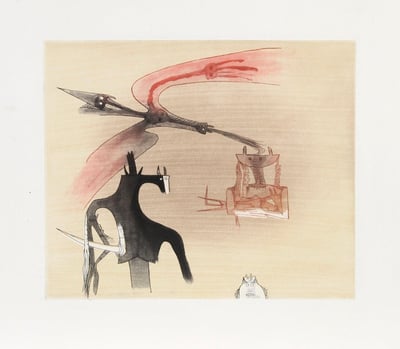
Wifredo Lam
Contre une maison sèche (red), 1977
Limited Edition Print
Etching and Aquatint
USD 1,100
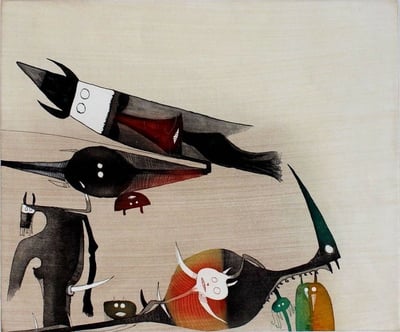
Wifredo Lam
Sans titre - XXe siecle plate #5, 1977
Limited Edition Print
Etching and Aquatint
USD 1,100
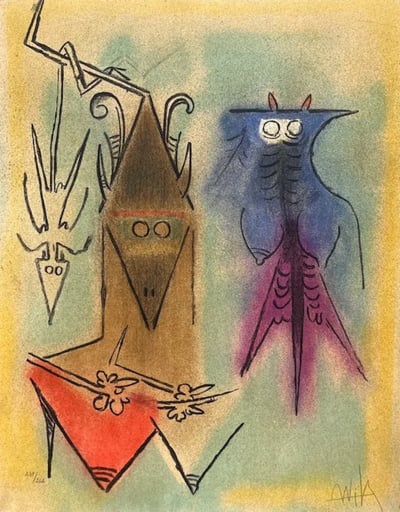
Wifredo Lam
Pleni Luna ( Demons familiers), 1974
Limited Edition Print
Lithograph
Currently Not Available
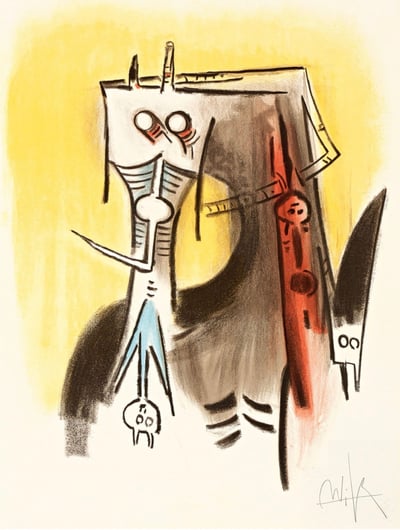
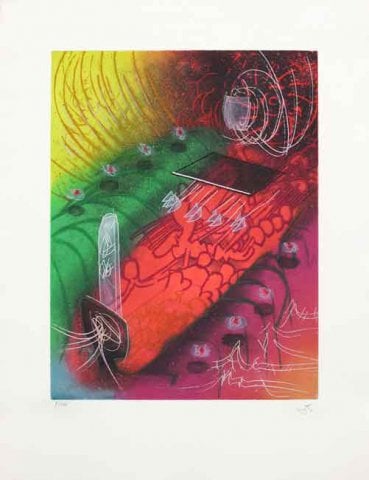
Wifredo Lam
Le regard vertical #1, 1973
Limited Edition Print
Lithograph
Currently Not Available
Available works by Wifredo Lam
See all →Wifredo Lam
Jean Cassou, 1975
Limited Edition Print
Lithograph
EUR 980
Wifredo Lam
El último viaje del buque fantasma VI, 1976
Limited Edition Print
Lithograph
EUR 850
Wifredo Lam
El último viaje del buque fantasma III, 1976
Limited Edition Print
Lithograph
EUR 850
Wifredo Lam
Clairière (from Pleni Luna), 1974
Limited Edition Print
Lithograph
EUR 1,550
Wifredo Lam
The Last Voyage of the Ghost Ship 4, 1976
Limited Edition Print
Lithograph
EUR 1,350
Wifredo Lam
The Last Voyage of the Ghost Ship 2, 1976
Limited Edition Print
Lithograph
EUR 1,350
Related Artists


What is Cubism?
Cubism is an art movement that aimed to depict multiple perspectives of objects or figures within a single picture. Artists Georges Braque and Pablo Picasso pioneered this style around 1907. The name Cubism emerged from their use of geometric shapes and outlines that often resembled cubes, breaking objects down into abstracted forms.

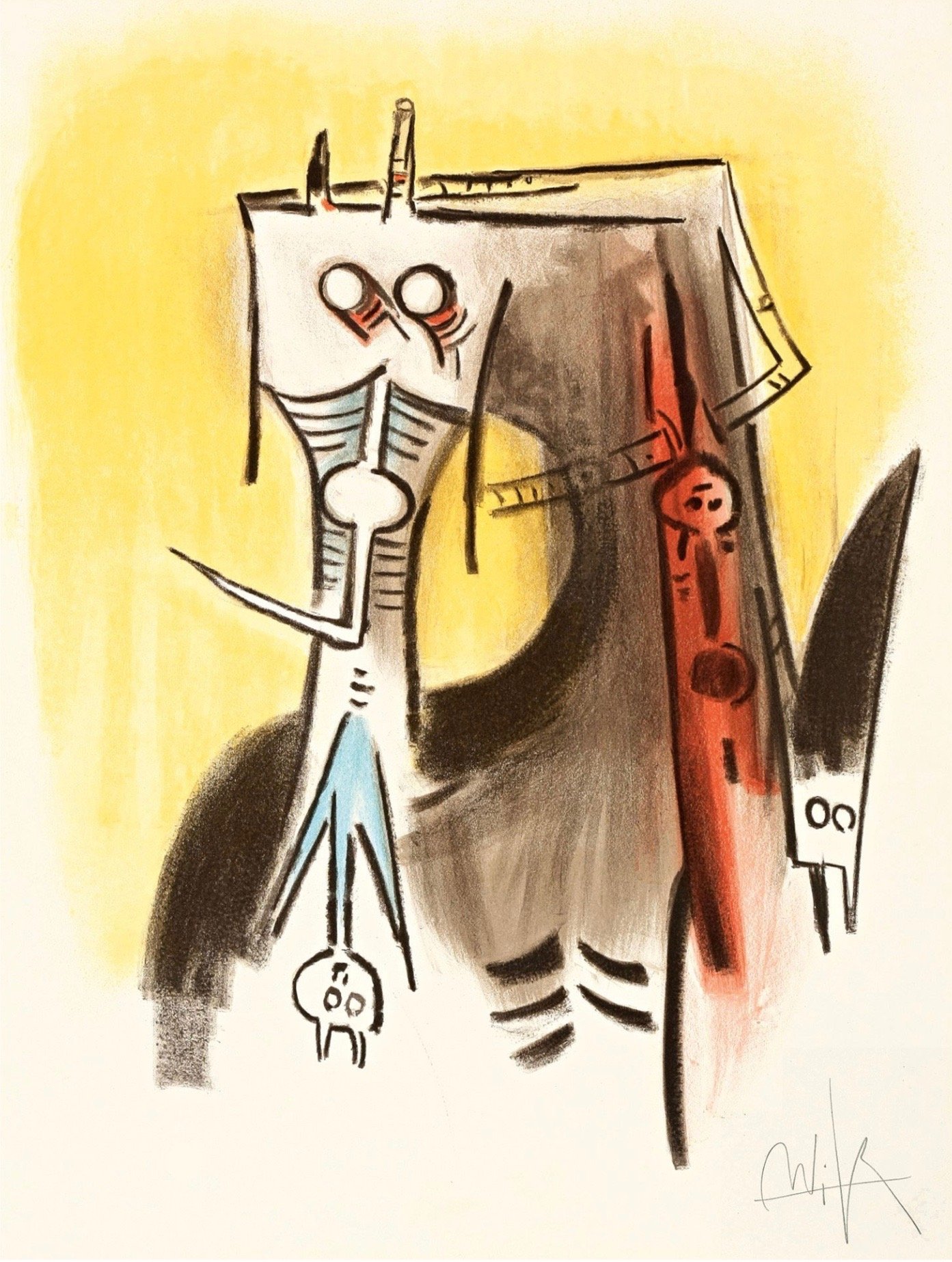
Wifredo Lam
Le regard vertical #1, 1973
66 x 50 cm


