
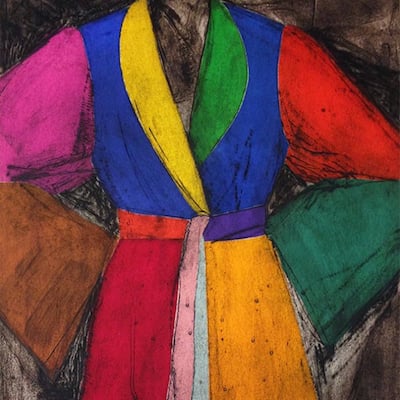
What is Neo-Dada?
- Show All
- Established
- Discoveries
- Show All
Artworks Related to Neo-Dada

Robert Rauschenberg
Landmark, 1968
Limited Edition Print
Lithograph
USD 10,800
Robert Rauschenberg
Private Listing
Limited Edition Print
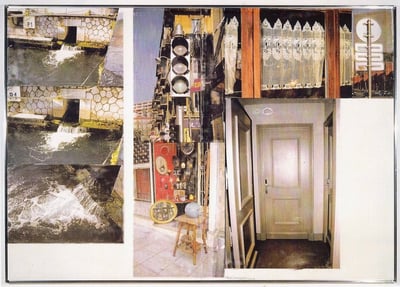
Robert Rauschenberg
Local Color (Scenario Series), 2006
Limited Edition Print
Monotype
Inquire For Price

Robert Rauschenberg
Brake (Stoned Moon Series), 1969
Limited Edition Print
Lithograph
Inquire For Price

Robert Rauschenberg
Bait (Stoned Moon Series), 1970
Limited Edition Print
Lithograph
Inquire For Price

Jim Dine
Nancy Outside in July , 1980
Limited Edition Print
Mixed Media
EUR 5,450

Jim Dine
Untitled - Artist Palette with Heart in Red, 1986
Sculpture / Object
Mixed Media
Inquire For Price

Robert Rauschenberg
Happiness, 1994
Limited Edition Print
Lithograph
USD 3,700

Jim Dine
Dorian Gray in Multi Rainbow Scarf, 1968
Limited Edition Print
Lithograph
USD 1,250

Jim Dine
Hose Lamp, 1968
Limited Edition Print
Lithograph
Inquire For Price
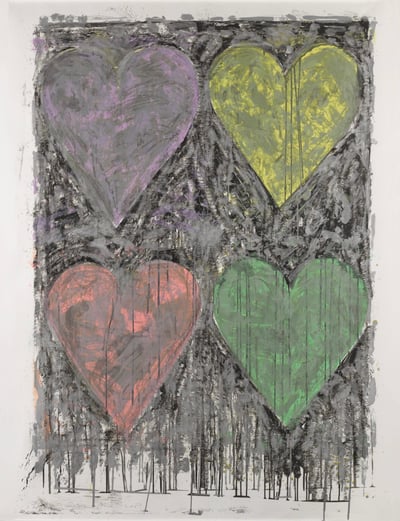
Jim Dine
Four Hearts in Silver, 2007
Limited Edition Print
Mixed Media
USD 11,000
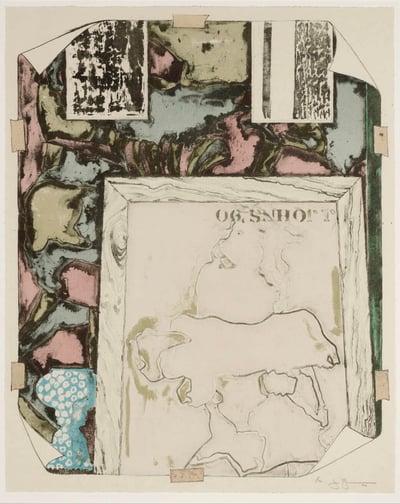
Jasper Johns
Untitled (Faded Impressions), 1992
Limited Edition Print
Lithograph
Inquire For Price
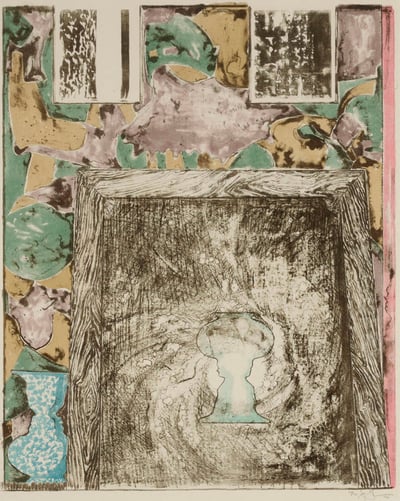
Jasper Johns
Untitled (Shattered Vessel), 1992
Limited Edition Print
Lithograph
Inquire For Price
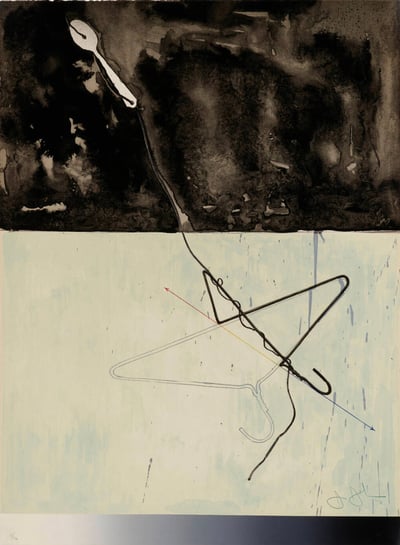
Jasper Johns
Coathanger and Spoon, 1971
Limited Edition Print
Lithograph
Inquire For Price
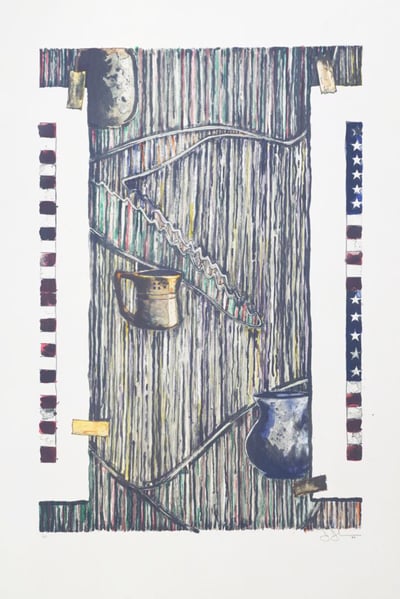
Jasper Johns
Ventriloquist, 1985
Limited Edition Print
Lithograph
USD 13,000

Jasper Johns
Periscope, 1981
Limited Edition Print
Etching and Aquatint
USD 25,000 - 30,000
Related Articles
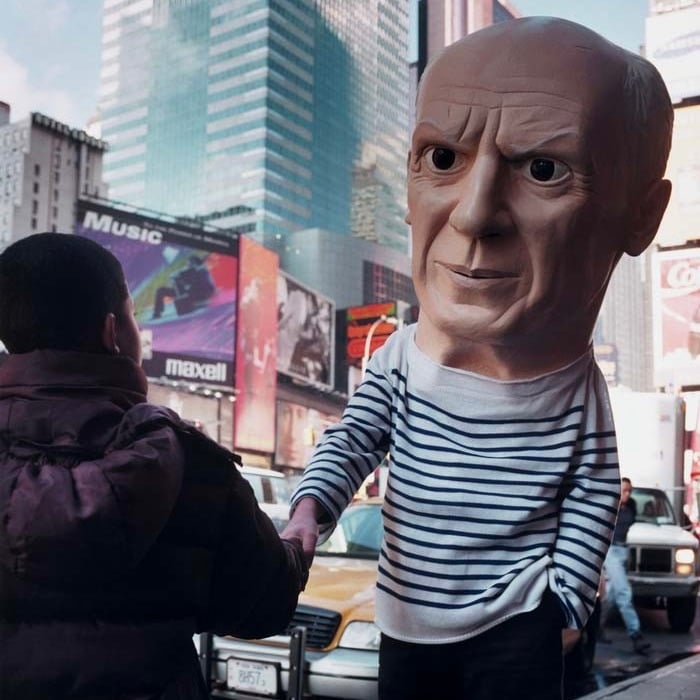

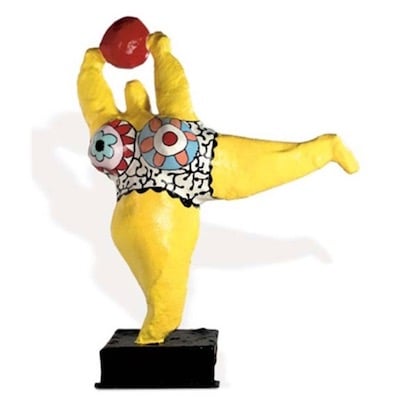
Papier-mâché is a composite material made from pieces of paper or pulp, reinforced with textiles and bound with adhesives like starch, wallpaper paste, or glue. There are two main methods to create papier-mâché: one involves layering strips of paper soaked in adhesive, while the other uses a pulp made by boiling or soaking paper and then adding glue. Though each method has a different process, both yield similar results.
Mezzotint is a printmaking technique in which a copper or steel plate is roughened to produce a solid black print. The artist smooths specific areas of the plate to create a range of tones, from deep blacks to delicate grays and whites. By varying the degree of smoothing, the artist can achieve detailed gradations of light and shadow, resulting in prints with rich, velvety textures and subtle transitions between light and dark.
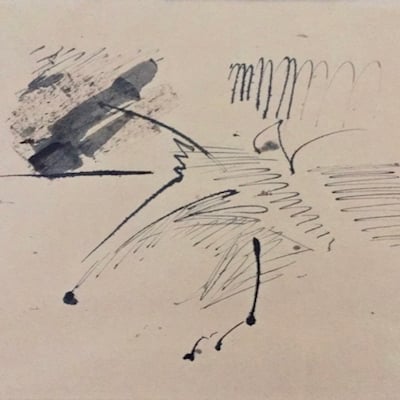
Art Informel is a French term referring to the gestural and improvisational techniques common in abstract painting during the 1940s and 50s. It encompasses various styles that dominated these decades, characterized by informal, spontaneous methods. Artists used this term to describe approaches that moved away from traditional structures and embraced more expressive, unstructured techniques.
Can't find your Answer?
Thank you! Your question has been sent — we'll get back to you shortly.
