
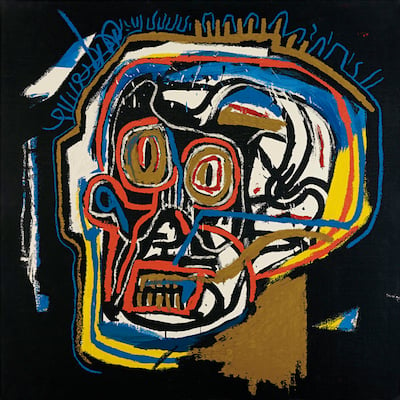
What is Street art?
- Show All
- Established
- Discoveries
- Show All
Artworks Related to Street Art

Mr. Brainwash
Life Is Beautiful (Dipped Black Splash), 2020
Sculpture / Object
Mixed Media
USD 3,000

Felipe Pantone
Subtractive Variability Vitreum 3, 2025
Sculpture / Object
Acrylic sculpture
EUR 3,200

Felipe Pantone
Subtractive Variability Vitreum 2, 2025
Sculpture / Object
Acrylic sculpture
EUR 2,800
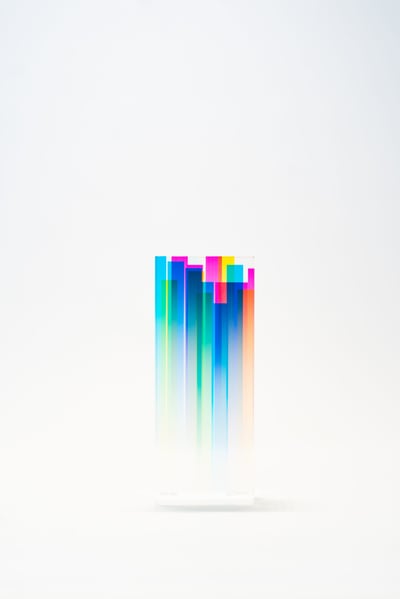
Felipe Pantone
Subtractive Variability Vitreum 1, 2025
Sculpture / Object
Acrylic sculpture
EUR 2,300

Mr. Brainwash
Flowarh$ - II (E), 2021
Limited Edition Print
Silkscreen
USD 5,700

Mr. Brainwash
Flowarh$ - II (D), 2021
Limited Edition Print
Silkscreen
USD 2,750

Mr. Brainwash
Flowarh$ - II (D), 2021
Limited Edition Print
Silkscreen
USD 5,700

Mr. Brainwash
Flowarh$ - II (C), 2021
Limited Edition Print
Silkscreen
USD 5,700

Mr. Brainwash
Life Is Beautiful (Dipped Dark Blue Splash), 2020
Sculpture / Object
Mixed Media
USD 3,000

Mr. Brainwash
Life Is Beautiful (Dipped Bubblegum Splash), 2020
Sculpture / Object
Mixed Media
USD 3,000

Mr. Brainwash
Art Is Not A Crime - Hard Candy (Silver), 2021
Sculpture / Object
Resin
USD 1,300

Mr. Brainwash
Art Is Not A Crime - Hard Candy (Red), 2021
Sculpture / Object
Resin
USD 1,300

Mr. Brainwash
Art Is Not A Crime - Hard Candy (Gold), 2021
Sculpture / Object
Resin
USD 1,300

Mr. Brainwash
Shero, 2020
Limited Edition Print
Screen-print
USD 2,200

Mr. Brainwash
Monumental Love - Red, 2021
Limited Edition Print
Silkscreen
USD 3,000

Mr. Brainwash
Monumental Love - Pink, 2021
Limited Edition Print
Silkscreen
USD 3,000
Related Articles
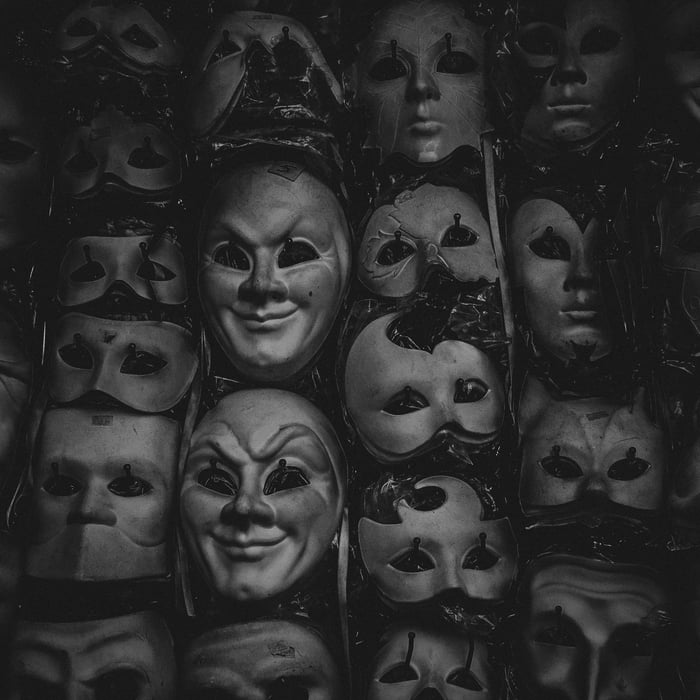

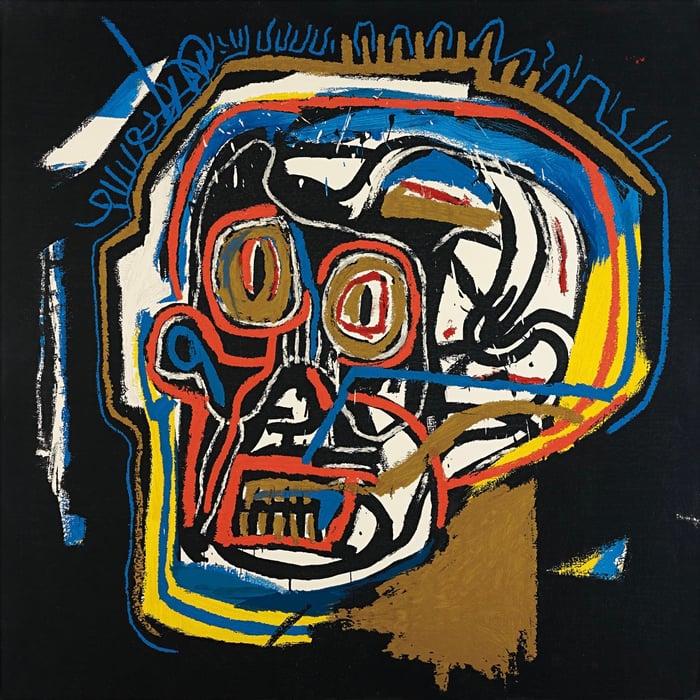
Mezzotint is a printmaking technique in which a copper or steel plate is roughened to produce a solid black print. The artist smooths specific areas of the plate to create a range of tones, from deep blacks to delicate grays and whites. By varying the degree of smoothing, the artist can achieve detailed gradations of light and shadow, resulting in prints with rich, velvety textures and subtle transitions between light and dark.

Art Brut, a French term meaning Raw Art, was coined by Jean Dubuffet to describe art created outside the conventional fine arts tradition. Dubuffet used the term to refer to works made by self-taught artists, including the mentally ill, prisoners, and others on the margins of society. He also called it Outsider Art. This art is characterized by its raw, unrefined nature, often created without concern for traditional presentation or imitation.

Acrylic on paper is a technique that involves using acrylic paints on various paper types and textures. Artists often choose watercolor paper with smooth or rough surfaces to apply acrylics using watercolor techniques such as bleeding, washing, and spattering. This approach allows for a wide range of effects, combining the flexibility of acrylics with the delicate qualities of watercolor methods.
Can't find your Answer?
Thank you! Your question has been sent — we'll get back to you shortly.
