

What is Tempera?
Tempera is a paint traditionally made by mixing colored pigments with egg yolk. It dries quickly and is highly durable, with some examples dating back to 100 AD still in existence. Modern tempera paint often uses glue size as a binder instead of egg yolk. Tempera is known for its bright colors and fine, detailed application, making it popular for panel paintings and icons.
Related Articles
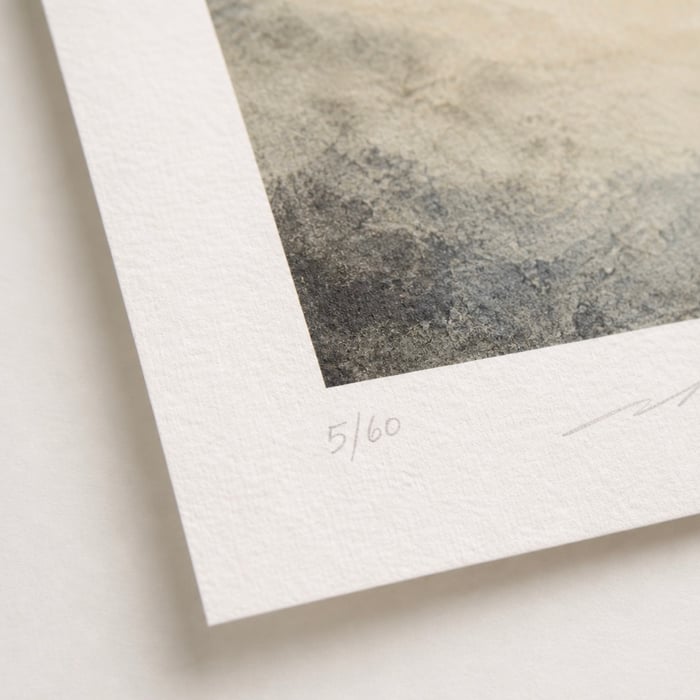
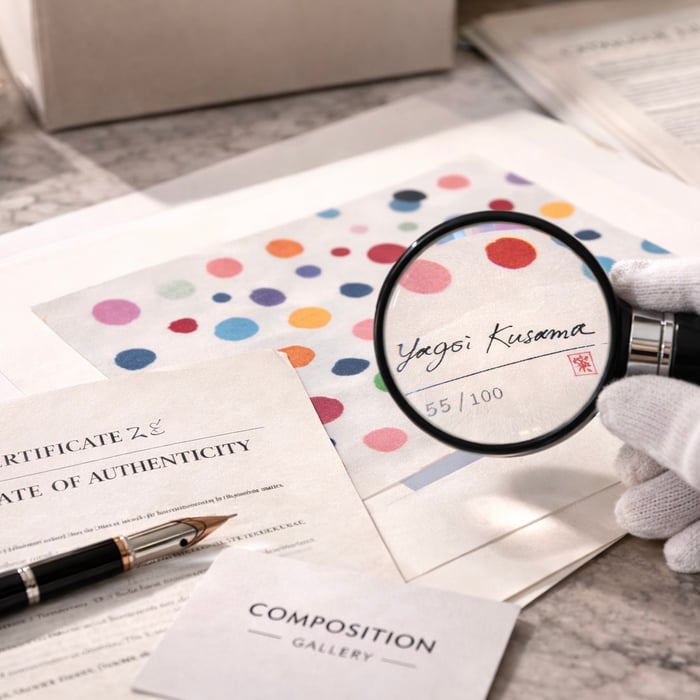
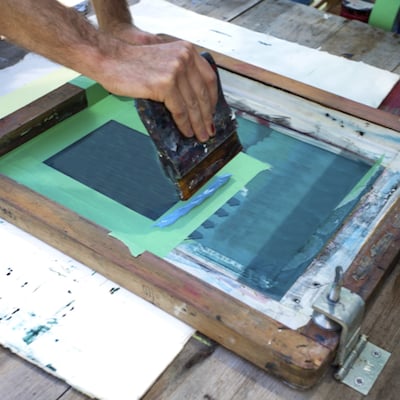
Serigraph is a printmaking process that uses silk screen techniques to create an image. The image is digitally separated into individual colors, each of which is assigned to a separate silk screen. These screens are then used to apply each color by hand, layer by layer, to replicate the original artwork, often based on an oil painting.

Plaster is a mixture of heat-treated powdered gypsum combined with water to create a workable material. It can be used to make solid sculptures, cast in molds, carved, modeled, or attached to other materials. Artists have used plaster for both working models and finished artworks for centuries due to its versatility.
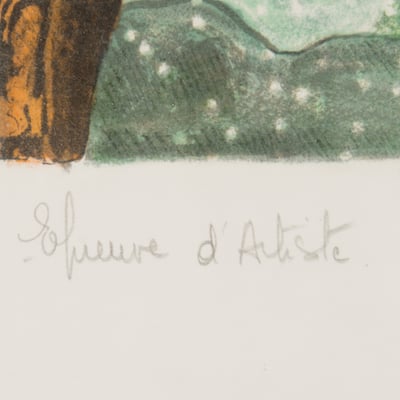
Épreuve d'Artist refers to the artist's proofs in a limited edition of prints. These are a small number of prints reserved by the artist for personal use and are typically marked with the abbreviation E.A. (épreuve d'artist) or AP (artist's proof). Artist’s proofs are usually identical to the regular edition but are often considered more valuable due to their limited quantity.
Can't find your Answer?
Thank you! Your question has been sent — we'll get back to you shortly.
