

What is Uncanny?
- Show All
- Established
- Discoveries
- Show All
Artworks Related to Uncanny

Cindy Sherman
Pregnant Woman, 1991
Photography
Photograph
Inquire For Price
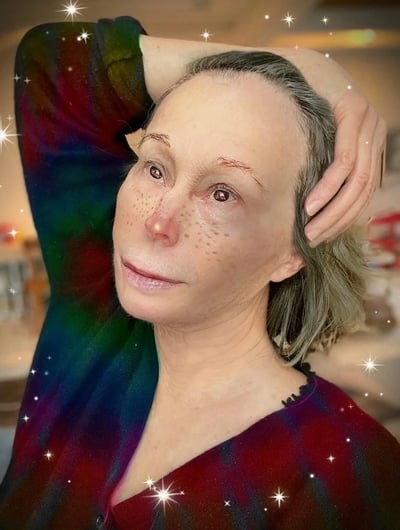
Cindy Sherman
Untitled (Twinkle-Nose), 2021
Photography
C-Print
GBP 2,300

Damien Hirst
The Currency Unique Print (H11), 2022
Limited Edition Print
Giclée printing
GBP 10,700
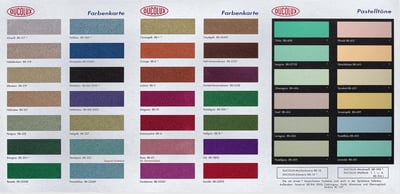
Damien Hirst
Colour Chart (Glitter) (H3), 2017
Limited Edition Print
Screen-print
GBP 8,400

Damien Hirst
Norcamphor, 2011
Limited Edition Print
Woodcut
GBP 15,000 - 20,000
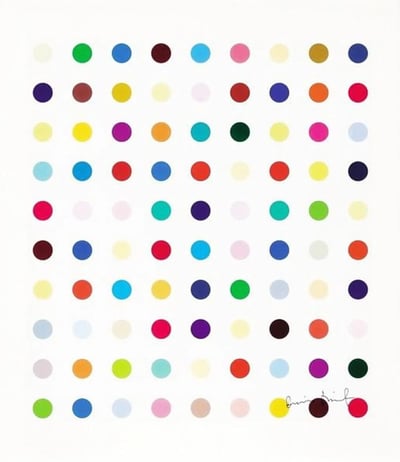
Damien Hirst
Opium, 2000
Limited Edition Print
C-Print
GBP 15,750

Damien Hirst
Control – H9-8 (The Virtues), 2021
Limited Edition Print
Giclée printing
EUR 17,500

Damien Hirst
The Currency - 7657, 2021
Limited Edition Print
Mixed Media
GBP 9,500

Cindy Sherman
Untitled #114, 1999
Photography
Offset Print
GBP 4,800

Cindy Sherman
Untitled - Marilyn, 1981/1989
Photography
Offset Print
GBP 4,750
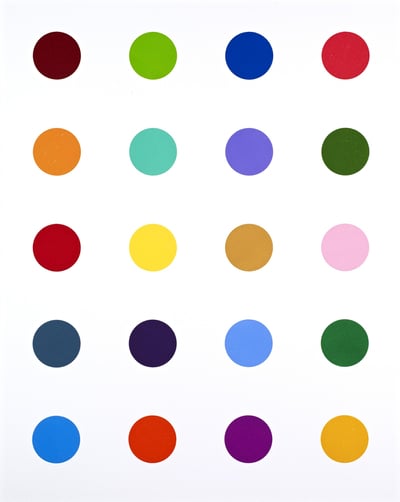
Damien Hirst
Ala Met, from 40 Woodcut Spots, 2011
Limited Edition Print
Woodcut
GBP 25,000 - 30,000
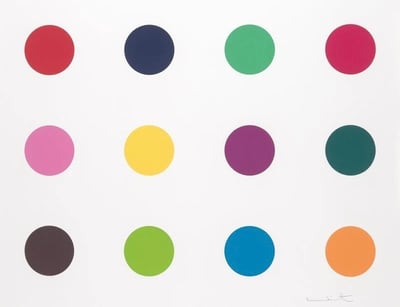
Damien Hirst
Methionine, 2010
Limited Edition Print
Woodcut
GBP 22,000 - 30,000

Damien Hirst
H12-5 (X-Large), 2023
Limited Edition Print
Giclée printing
GBP 12,000 - 16,000

Damien Hirst
H12-2 (Large), 2023
Limited Edition Print
Giclée printing
GBP 7,000 - 10,000
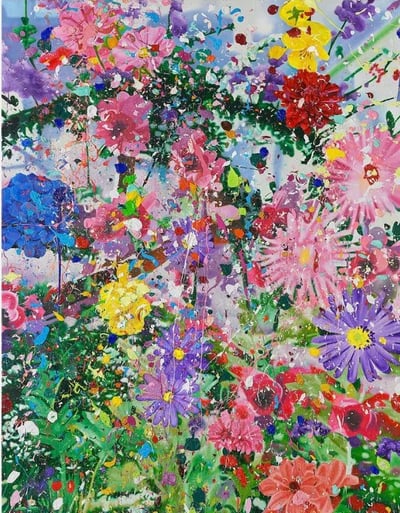
Damien Hirst
H14-1 Realisation (from the Secrets), 2024
Limited Edition Print
Giclée printing
GBP 7,800

Damien Hirst
H14-4 Wisdom (from the Secrets), 2024
Limited Edition Print
Giclée printing
GBP 7,800
Related Articles
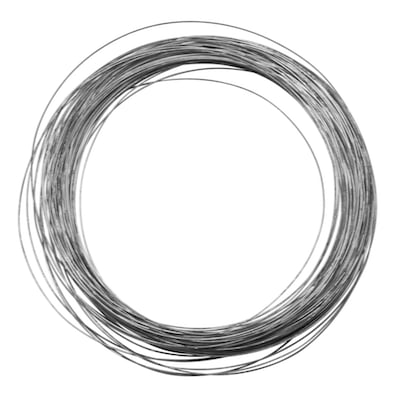
Wire is a single strand or rod of flexible metal. It has been used since ancient times to make chains and jewelry decorations. Wire comes in various thicknesses and can be bent, braided, and cut using wire tools to create sculptures, assemblages, and mobiles. Different metals, such as copper, aluminum, and steel, are commonly used for wire art.

Acrylic on canvas is a technique where acrylic paint is applied to a canvas surface using tools like brushes and palette knives. Acrylic paint is a synthetic medium made from liquid plastic, which can be thinned with water and dries quickly when exposed to air. This fast-drying quality makes it versatile for layering and various painting techniques.

Hypermodernism is a cultural and artistic movement that emerged in the late 20th and early 21st centuries, characterized by an intense embrace of technology and a focus on speed, complexity, and the future. This movement often challenges traditional modernist values by emphasizing hyper-reality, where the boundaries between reality and virtuality blur. Hypermodernism is evident in architecture, design, and visual arts, where artists and creators use advanced digital tools and futuristic aesthetics to explore themes of globalization, identity, and the impact of technology on society.
Can't find your Answer?
Thank you! Your question has been sent — we'll get back to you shortly.
