
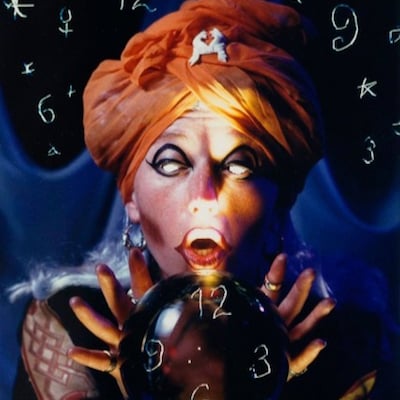
What is Uncanny?
The Uncanny is a concept described by psychologist Sigmund Freud as the eerie or unsettling feeling that arises when something familiar is presented in a strange or unfamiliar way. Surrealist artists, who aimed to reveal the subconscious and merge it with reality, often utilized this concept by combining familiar objects in unexpected and bizarre ways. This approach created a sense of discomfort or unease, challenging the viewer's perception of reality.
Show All
- Show All
- Established
- Discoveries
Show All
- Show All
Artworks Related to Uncanny
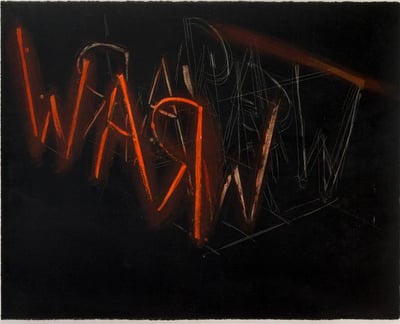
Bruce Nauman
Raw War, 1971
Limited Edition Print
Lithograph
Currently Not Available

Mike Kelley
Bowling Bag, 1991
Sculpture / Object
Mixed Media
Currently Not Available

Damien Hirst
The Physical Impossibility of Death in the Mind of Someone Living, 2013
Limited Edition Print
Mixed Media
Currently Not Available

Dieter Roth
Steep Potplant, 1975
Limited Edition Print
Drypoint
USD 2,200

Paul Mccarthy
Red, Green, Black, 2005
Limited Edition Print
Silkscreen
USD 4,500

Paul Mccarthy
Pudding, 1999
Sculpture / Object
Mixed Media
EUR 1,500
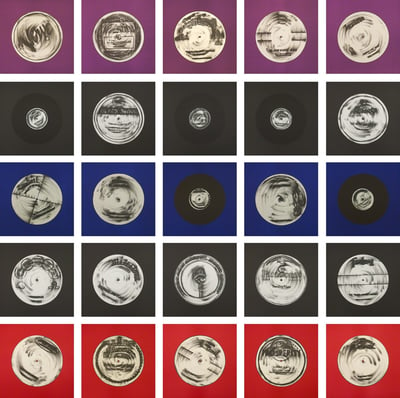
Gary Simmons
Lost Classics, 2012
Limited Edition Print
Lithograph
EUR 15,000
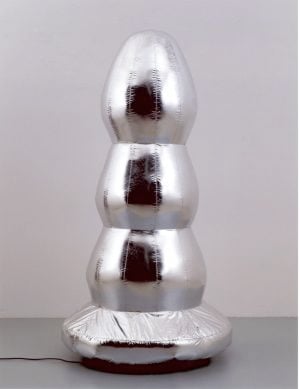
Paul Mccarthy
Brancusi Tree (silver), 2007
Sculpture / Object
Mixed Media
Currently Not Available
Related Articles
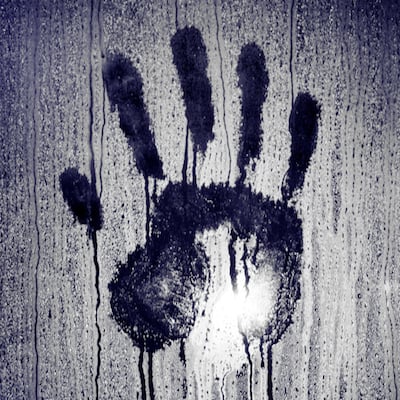
A body print is an art technique where the artist uses their body as a printing plate. This can be done by smearing grease, margarine, or oil on the skin, hair, and clothes, then pressing the body against a surface like paper. The oiled imprint is then dusted with pigment. Unlike a self-portrait, a body print explores two competing concepts of identity rather than capturing a likeness of the artist. The method emphasizes the physicality of the body while questioning the boundaries between self-representation and abstraction.
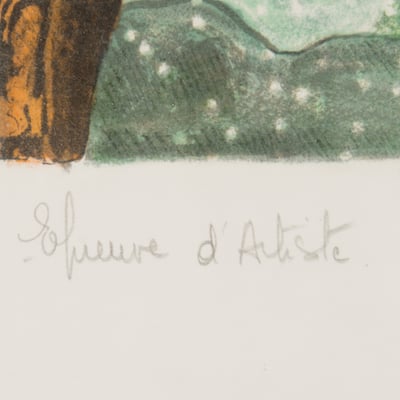
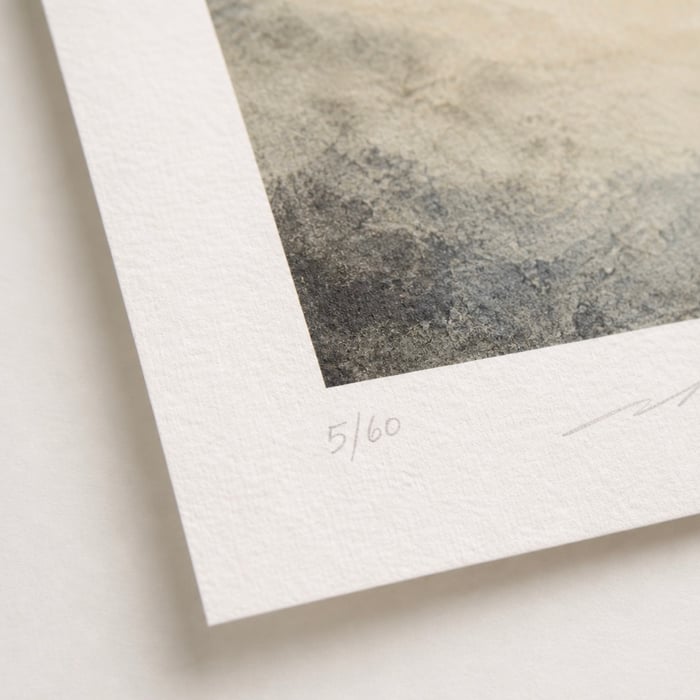
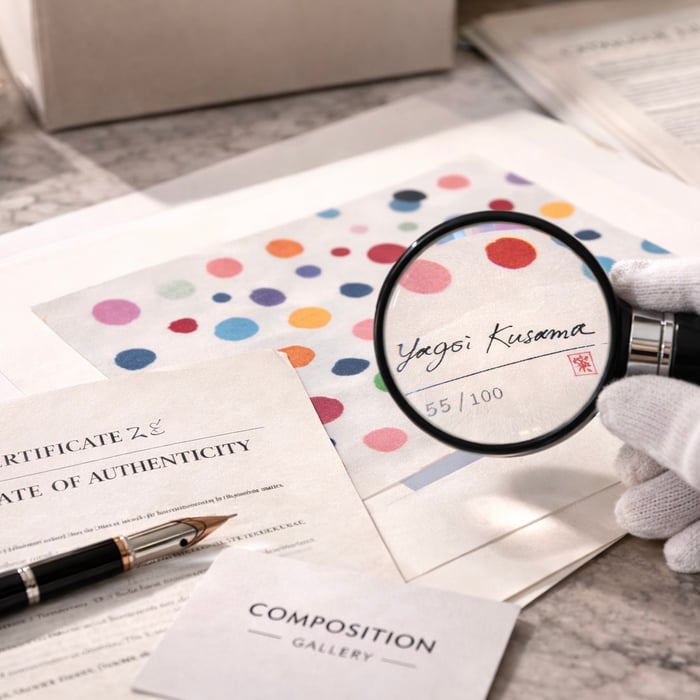
Épreuve d'Artist refers to the artist's proofs in a limited edition of prints. These are a small number of prints reserved by the artist for personal use and are typically marked with the abbreviation E.A. (épreuve d'artist) or AP (artist's proof). Artist’s proofs are usually identical to the regular edition but are often considered more valuable due to their limited quantity.

Lithography is a printing method based on the principle that water and oil do not mix. It can be used to print artwork or text onto paper or other suitable materials. Traditionally, an image was drawn with wax, fat, or oil onto a lithographic limestone surface or plate. Today, metal plates and other surfaces are also used in lithographic printing.
Can't find your Answer?
Thank you! Your question has been sent — we'll get back to you shortly.
