

Who are the Young British Artists - YBA
- Show All
- Established
- Discoveries
- Show All
Artworks Related to Young British Artists (YBAs)
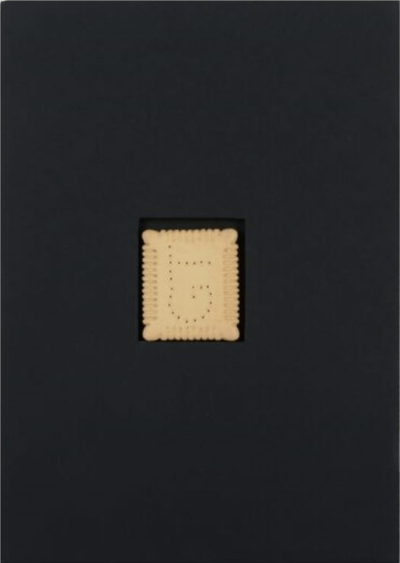
Gavin Turk
GT Biscuit, 2015
Sculpture / Object
Resin
Inquire For Price
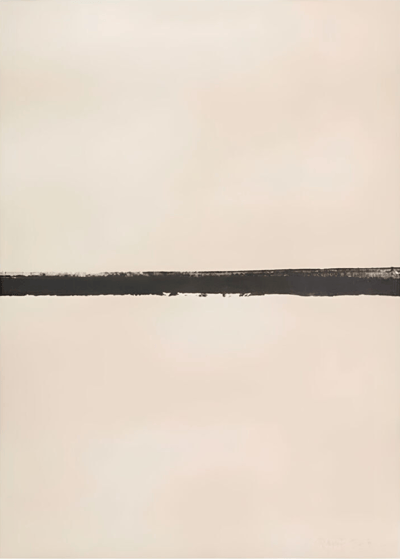
Gavin Turk
Cycle Line, 2018
Limited Edition Print
Mixed Media
GBP 2,100
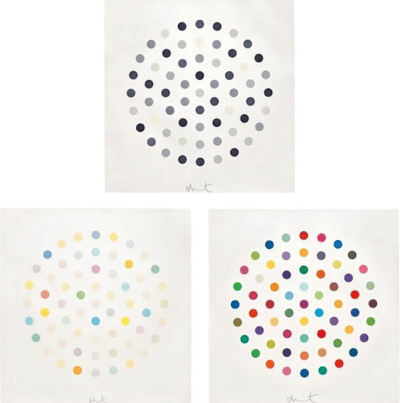
Damien Hirst
Cinchonidine, Ciclopirox Olamine and Cineole, 2004
Limited Edition Print
Etching
Inquire For Price
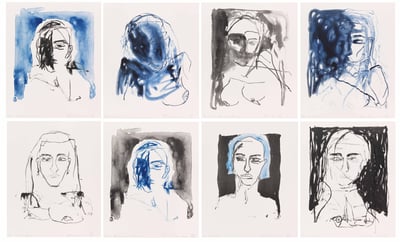
Tracey Emin
These Feelings Were True (Set of 8), 2020
Limited Edition Print
Lithograph
EUR 80,000 - 90,000

Tracey Emin
A Deeper Place, 2025
Limited Edition Print
Lithograph
Inquire For Price

Gavin Turk
Black Gold, 2015
Painting
Oil on canvas
GBP 5,000 - 7,000

Damien Hirst
Lorabid 200mg, 2014
Sculpture / Object
Mixed Media
GBP 8,000 - 10,000

Damien Hirst
Theo-Dur Repetabs 200mg, 2014
Sculpture / Object
Mixed Media
GBP 8,000 - 10,000

Damien Hirst
Selflessness (from The Secrets), 2024
Limited Edition Print
Giclée printing
GBP 10,000 - 15,000
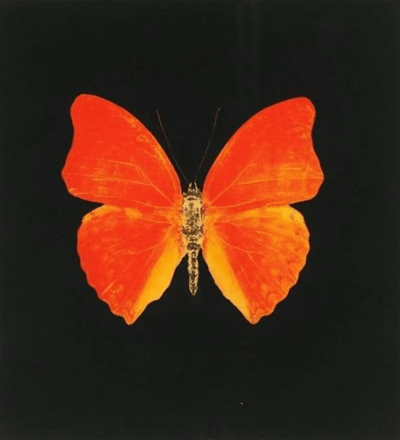
Damien Hirst
Memento 3, 2008
Limited Edition Print
Intaglio
Inquire For Price
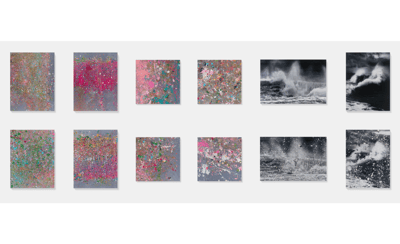
Damien Hirst
Where the Land Meets the Sea, 2023
Limited Edition Print
Giclée printing
Inquire For Price
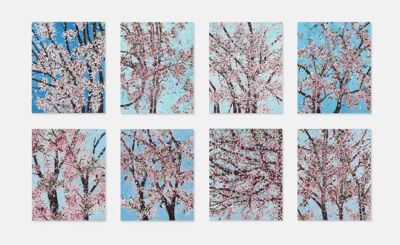
Damien Hirst
The Virtues (set of 8), 2021
Limited Edition Print
Giclée printing
Inquire For Price

Damien Hirst
Dead Black Brilliant Utopia, 2013
Limited Edition Print
Mixed Media
USD 16,700
Damien Hirst
Private Listing
Painting
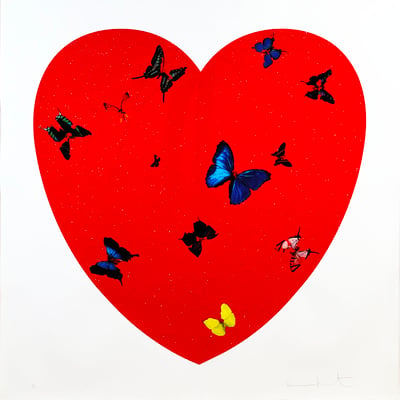
Damien Hirst
All You Need Is Love Love Love, 2010
Limited Edition Print
Screen-print
Inquire For Price

Damien Hirst
Black Brilliant Utopia, 2013
Limited Edition Print
Mixed Media
USD 16,700
Related Articles

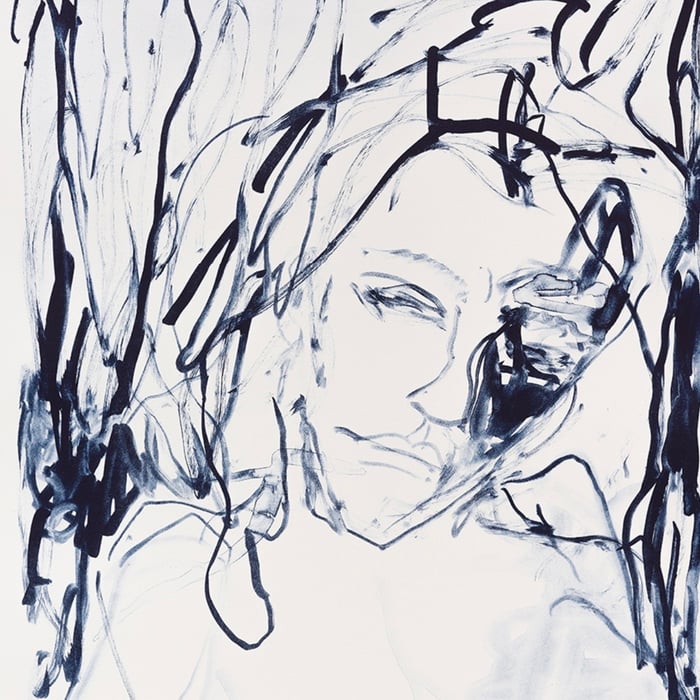


Massurrealism is a portmanteau word coined by American artist James Seehafer in 1992. He observed a trend among postmodern artists who blended themes and aesthetic styles with mass media, including elements of pop art. Massurrealism is a development of surrealism that emphasizes the technological effects on the imagery of contemporary surrealism. The key difference between massurrealism and surrealism is that the latter was founded in Europe at the beginning of the 20th century, while massurrealism is rooted in the influence of modern technology and media.

Systems Art refers to a group of artists who, during the late 1960s and early 1970s, used the frameworks of conceptualism and minimalism to create art that was responsive to its environment. Rejecting traditional art themes, they embraced aesthetic systems and experimented with diverse media. Systems Art often connected with contemporary political movements of the time, emphasizing the interrelationship between the artwork, its context, and the broader social and political environment.
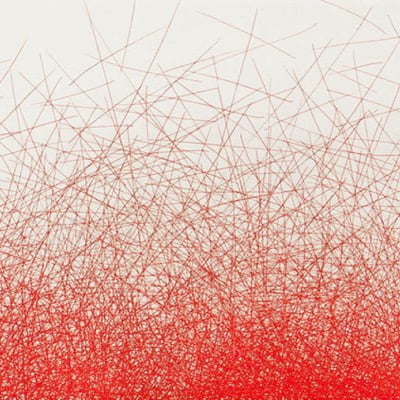
Tansaekhwa, also known as monochrome painting, is a movement in Korean art that began in the mid-1970s. These artworks are characterized by the manipulation of painting materials, such as pushing paint, soaking the canvas, ripping paper, or other techniques that alter the medium. Tansaekhwa emphasizes texture, materiality, and the physical process of creating the artwork.
Can't find your Answer?
Thank you! Your question has been sent — we'll get back to you shortly.
