

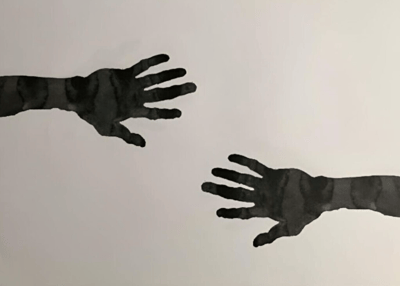
Dark Shadow, 2013
Form
Medium
Size
- Inches
- Centimeters
Edition
Price
- Authenticity Guaranteed
- Insured Shipping
- Online Since 2005
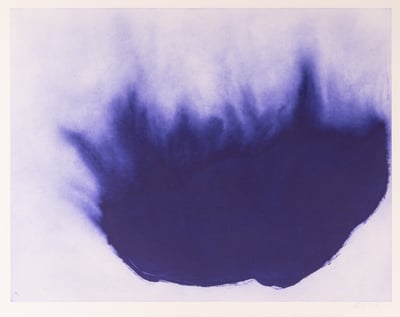
Anish Kapoor
Composition No 3, from 12 Etchings, 2007
Limited Edition Print
Etching
USD 15,000
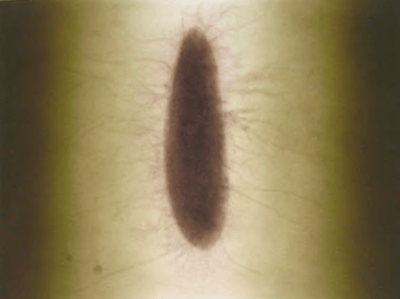
Anish Kapoor
Untitled 02, 2007
Limited Edition Print
Etching
EUR 9,000
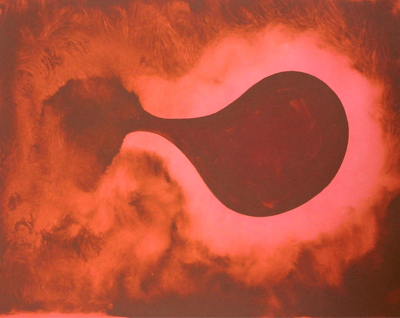
Anish Kapoor
Untitled 09, 2007
Limited Edition Print
Etching
EUR 9,000

Anish Kapoor
Door, 1991
Limited Edition Print
Aquatint
EUR 9,000

Anish Kapoor
Untitled (12), 1988
Limited Edition Print
Aquatint
EUR 11,500

Anish Kapoor
Untitled (III), 1988
Limited Edition Print
Aquatint
EUR 11,500
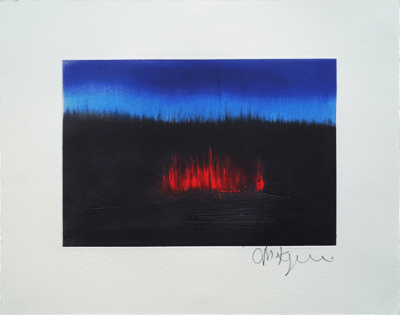
Anish Kapoor
Scorched Earth, 2021
Limited Edition Print
Etching
GBP 5,000 - 6,000

Anish Kapoor
Glow for Maggie, 2020
Limited Edition Print
Etching
EUR 5,000

Anish Kapoor
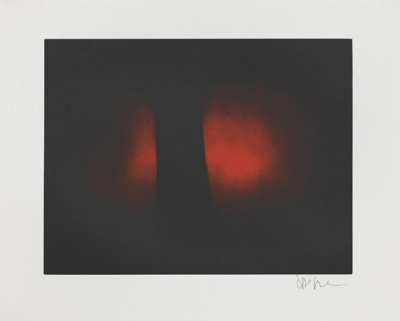
Untitled (Red Pulse), 2014
Limited Edition Print
Etching
GBP 5,300
Anish Kapoor
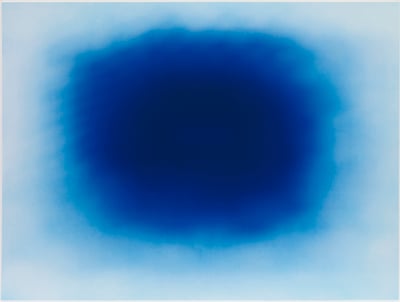
Untitled (red on dark background), 2015
Limited Edition Print
Etching
GBP 5,300
Anish Kapoor
Breathing Blue, 2020
Limited Edition Print
Digital Print on paper
GBP 5,300

Anish Kapoor
Moiré 1, 2015
Limited Edition Print
Etching
EUR 6,500

Anish Kapoor
Moiré 2, 2015
Limited Edition Print
Etching
EUR 6,500

Anish Kapoor
Moiré 4, 2015
Limited Edition Print
Etching
EUR 6,500

Anish Kapoor
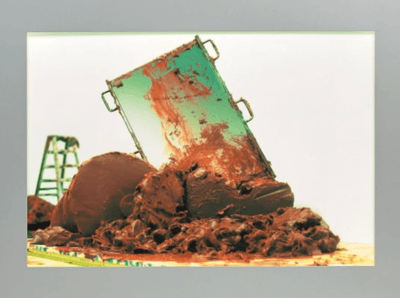
Red shadows 2, 2016
Limited Edition Print
Etching
Currently Not Available
Anish Kapoor
Svayambh, 2007
Limited Edition Print
Mixed Media
Currently Not Available

Anish Kapoor
Moire 3, 2015
Limited Edition Print
Etching
Currently Not Available
Available works by Anish Kapoor
See all →Anish Kapoor
Composition No 3, from 12 Etchings, 2007
Limited Edition Print
Etching
USD 15,000
Anish Kapoor
Untitled 02, 2007
Limited Edition Print
Etching
EUR 9,000
Anish Kapoor
Untitled 09, 2007
Limited Edition Print
Etching
EUR 9,000
Anish Kapoor
Door, 1991
Limited Edition Print
Aquatint
EUR 9,000
Anish Kapoor
Untitled (12), 1988
Limited Edition Print
Aquatint
EUR 11,500
Anish Kapoor
Untitled (III), 1988
Limited Edition Print
Aquatint
EUR 11,500
Related Artists

What is minimalism?
Minimalism is a style in music and visual arts characterized by pared-down designs and simplicity. It began in Western art after World War II, gaining prominence particularly in American visual arts. Minimalism draws heavily on aspects of modernism and is often viewed as a reaction against Abstract Expressionism, as well as a precursor to post-minimal art practices. Prominent minimalist artists include Agnes Martin, Donald Judd, Robert Morris, Frank Stella, and Dan Flavin.


