

Anish Kapoor
© Anish Kapoor. All rights reserved.
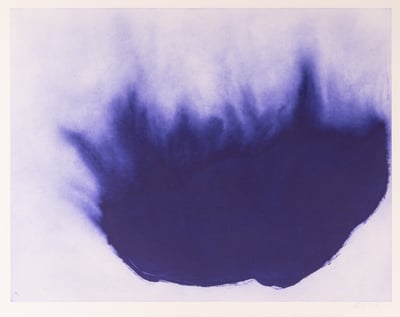
Anish Kapoor
Composition No 3, from 12 Etchings, 2007
Limited Edition Print
Etching
USD 15,000
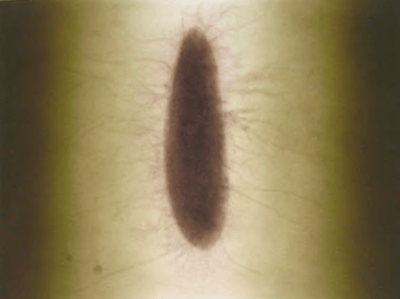
Anish Kapoor
Untitled 02, 2007
Limited Edition Print
Etching
EUR 9,000
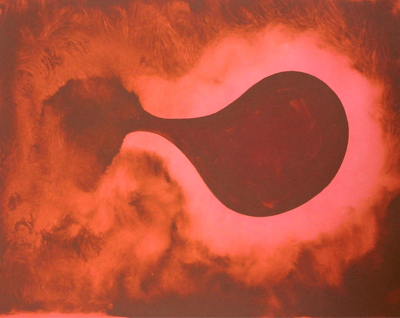
Anish Kapoor
Untitled 09, 2007
Limited Edition Print
Etching
EUR 9,000

Anish Kapoor
Door, 1991
Limited Edition Print
Aquatint
EUR 9,000

Anish Kapoor
Untitled (12), 1988
Limited Edition Print
Aquatint
EUR 11,500

Anish Kapoor
Untitled (III), 1988
Limited Edition Print
Aquatint
EUR 11,500
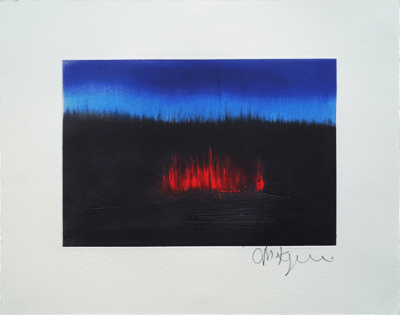
Anish Kapoor
Scorched Earth, 2021
Limited Edition Print
Etching
GBP 5,000 - 6,000

Anish Kapoor
Glow for Maggie, 2020
Limited Edition Print
Etching
EUR 5,000

Anish Kapoor
Untitled (Red Pulse), 2014
Limited Edition Print
Etching
GBP 5,300
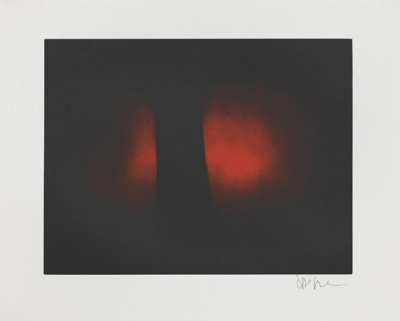
Anish Kapoor
Untitled (red on dark background), 2015
Limited Edition Print
Etching
GBP 5,300
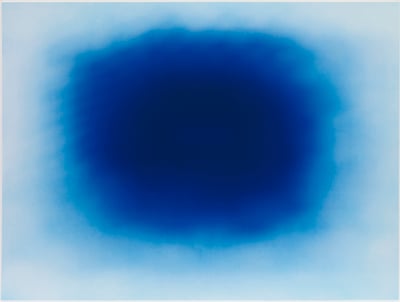
Anish Kapoor
Breathing Blue, 2020
Limited Edition Print
Digital Print on paper
GBP 5,300

Anish Kapoor
Moiré 1, 2015
Limited Edition Print
Etching
EUR 6,500

Anish Kapoor
Moiré 2, 2015
Limited Edition Print
Etching
EUR 6,500

Anish Kapoor
Moiré 4, 2015
Limited Edition Print
Etching
EUR 6,500

Anish Kapoor
Red shadows 2, 2016
Limited Edition Print
Etching
Currently Not Available
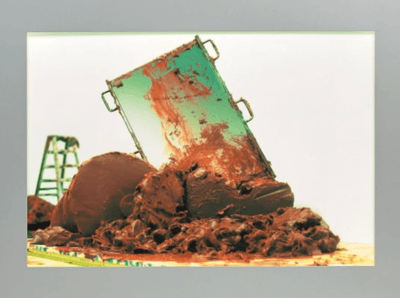
Anish Kapoor
Svayambh, 2007
Limited Edition Print
Mixed Media
Currently Not Available

Anish Kapoor
Moire 3, 2015
Limited Edition Print
Etching
Currently Not Available
- Anish Kapoor
Related Artists
Related Articles
Popular, Art Movements - August 7, 2024
Art and Social Change: How Contemporary Artists Address Global Issues
Discover how contemporary artists drive social change! Explore impactful works addressing global issues like inequality, climate change, and human rights.Read More
Popular, Art Movements - March 6, 2024
Art in Public Spaces: Transforming Urban Environments
Discover how public art transforms urban spaces into vibrant hubs of creativity and reflection. Explore iconic projects that redefine our cities.Read More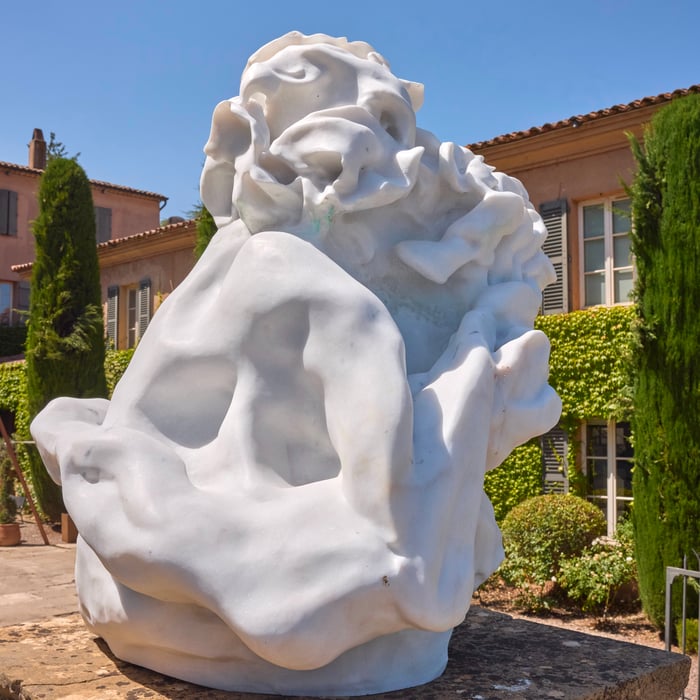
News, Popular, Collecting, Artists - August 12, 2026
In Minor Keys: Finding Intimacy and Identity at the 61st Venice Biennale — and in Your Collection
Explore how Koyo Kouoh’s 61st Venice Biennale vision, In Minor Keys, is shifting contemporary collecting toward quiet introspection, memory, and personal identi…Read More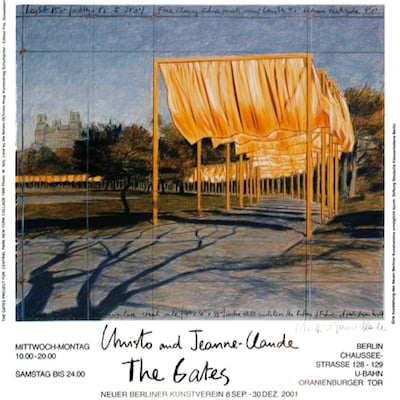 Artwork by Christo
What is site specific art?
Site-Specific Art is a form of artwork created to exist in a particular location, with the artist considering the site as an integral part of the creative process. Robert Irwin was a key figure in promoting this art form in California. Site-Specific Art emerged as a reaction against modernist objects, which were often portable, commodified, and confined to m…
Explore »

