
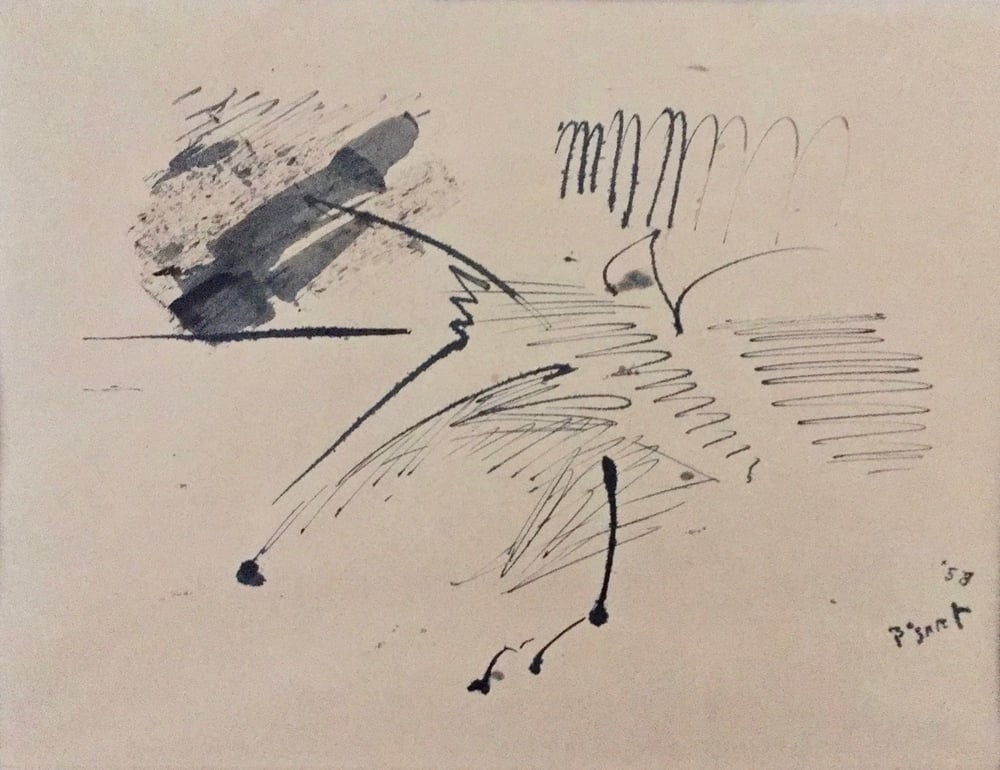
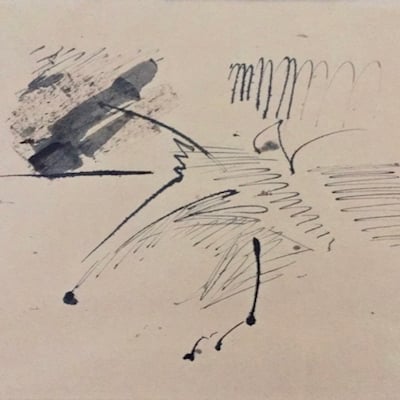
// This untitled informal drawing by Bram Bogart, created in 1958 using East Indian ink, is an abstract composition that showcases the artist’s expressive, spontaneous line work. The piece consists of a series of dynamic strokes and splashes, with bold marks contrasting against finer, sketch-like lines. Bogart’s use of negative space and minimalism imbues the drawing with a sense of movement and openness, allowing viewers to interpret the abstract forms freely. The interplay of textures and the fluidity of the ink strokes highlight Bogart’s focus on gesture and abstraction, capturing a raw, momentary expression on paper.
Artwork Copyright © Bram BogartBram Bogart (Belgium, 1921–2012) was an influential expressionist painter known for his bold impasto technique, creating textured, almost sculptural canvases. Associated with the CoBrA movement, his works often featured vibrant colors and abstract forms, emphasizing materiality and physical presence in art.
Artwork Copyright © Bram BogartUntitled - informal drawing, 1958
Form
Medium
Size
- Inches
- Centimeters
Edition
Price
- USD
- EUR
- GBP
- CHF
- Authenticity Guaranteed
- Insured Shipping
- Online Since 2005
●Inventory 5772
●Signed
●Comes with gallery invoice and certificate
●Sell Us a Similar Artwork. Learn more.
// This untitled informal drawing by Bram Bogart, created in 1958 using East Indian ink, is an abstract composition that showcases the artist’s expressive, spontaneous line work. The piece consists of a series of dynamic strokes and splashes, with bold marks contrasting against finer, sketch-like lines. Bogart’s use of negative space and minimalism imbues the drawing with a sense of movement and openness, allowing viewers to interpret the abstract forms freely. The interplay of textures and the fluidity of the ink strokes highlight Bogart’s focus on gesture and abstraction, capturing a raw, momentary expression on paper.
Artwork Copyright © Bram BogartBram Bogart (Belgium, 1921–2012) was an influential expressionist painter known for his bold impasto technique, creating textured, almost sculptural canvases. Associated with the CoBrA movement, his works often featured vibrant colors and abstract forms, emphasizing materiality and physical presence in art.
Artwork Copyright © Bram Bogart- Recently Added
- Price (Low-High)
- Price (High-Low)
- Year (Low-High)
- Year (High-Low)
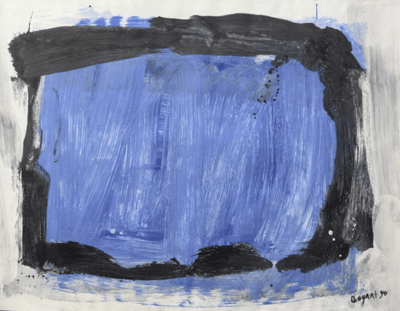
Bram Bogart
Composition abstraite, 1990
Drawing / Watercolor
Gouache
EUR 5,850

Bram Bogart
Composition no. 7, 1992
Painting
Mixed Media
EUR 8,500 - 12,000
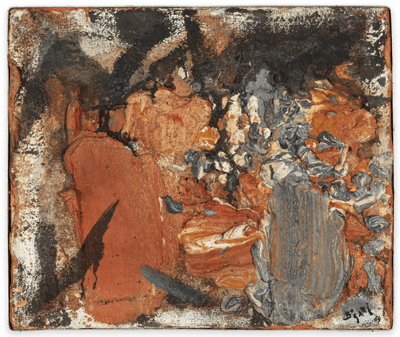
Bram Bogart
Extase, 1958 - 59
Painting
Mixed Media
Make Your Offer
Bram Bogart
Untitled - informal drawing, 1958
Drawing / Watercolor
East Indian ink
EUR 1,900
Related Artists

Artwork by Bram Bogart
What is Art Informel?
Art Informel is a French term referring to the gestural and improvisational techniques common in abstract painting during the 1940s and 50s. It encompasses various styles that dominated these decades, characterized by informal, spontaneous methods. Artists used this term to describe approaches that moved away from traditional structures and embraced more expressive, unstructured techniques.

Bram Bogart
Untitled - informal drawing, 1958
20 x 27 cm


