

Artwork Copyright © Feng Zhengjie
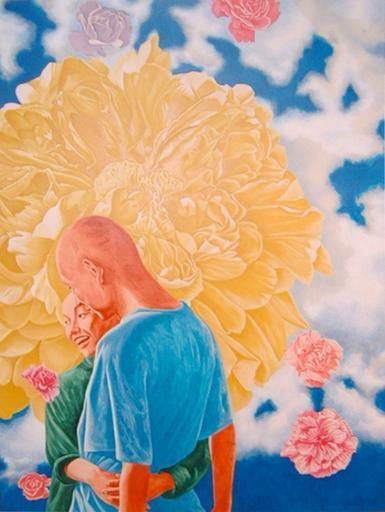
Feng Zhengjie (China, 1968) is a contemporary artist best known for his vibrant, larger-than-life portraits that critique consumer culture and societal ideals. His Chinese Portrait series features stylized figures with vivid colors and vacant stares, reflecting a blend of traditional Chinese aesthetics and pop art. Feng's work explores identity in an era of globalization.
Artwork Copyright © Feng ZhengjieChinese portrait 2, 2008
Form
Medium
Size
- Inches
- Centimeters
Edition
Price
Available works →
- Authenticity Guaranteed
- Insured Shipping
- Online Since 2005
●
●Inventory 1834
●Signed
●Comes with gallery invoice and certificate
●Sell Us a Similar Artwork. Learn more.
Artwork Copyright © Feng Zhengjie
Feng Zhengjie (China, 1968) is a contemporary artist best known for his vibrant, larger-than-life portraits that critique consumer culture and societal ideals. His Chinese Portrait series features stylized figures with vivid colors and vacant stares, reflecting a blend of traditional Chinese aesthetics and pop art. Feng's work explores identity in an era of globalization.
Artwork Copyright © Feng Zhengjie- Recently Added
- Price (Low-High)
- Price (High-Low)
- Year (Low-High)
- Year (High-Low)
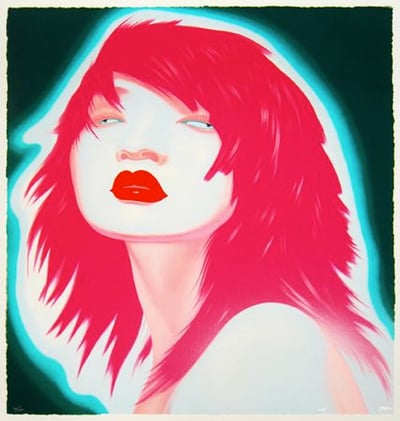
Feng Zhengjie
Chinese Portrait (c), 2008
Limited Edition Print
Screen-print
USD 950
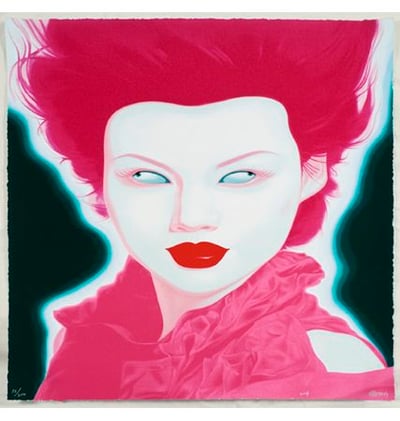
Feng Zhengjie
Chinese Portrait (b), 2008
Limited Edition Print
Screen-print
USD 950
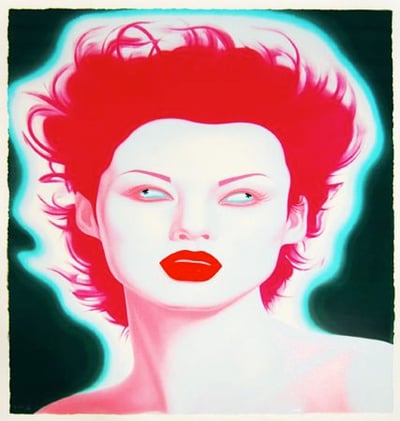
Feng Zhengjie
Chinese Portrait (a), 2008
Limited Edition Print
Screen-print
USD 950
Available works by Feng Zhengjie
See all →Feng Zhengjie
Chinese Portrait (c), 2008
Limited Edition Print
Screen-print
USD 950
Feng Zhengjie
Chinese Portrait (b), 2008
Limited Edition Print
Screen-print
USD 950
Feng Zhengjie
Chinese Portrait (a), 2008
Limited Edition Print
Screen-print
USD 950
Related Artists
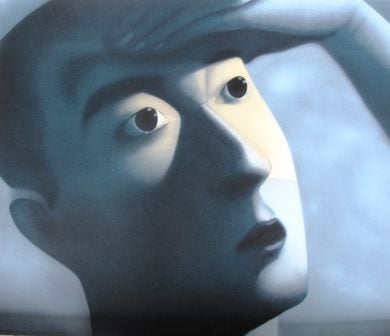


Artwork by Roger Raveel
What is new figuration?
Neo-Figurative Art is a collective term that refers to the revival of figurative art in America and Europe during the 1960s, following a period dominated by abstraction. Michel Ragon, a French art critic, argued that this resurgence of figuration occurred during a critical time of social and political upheaval in both regions.


