
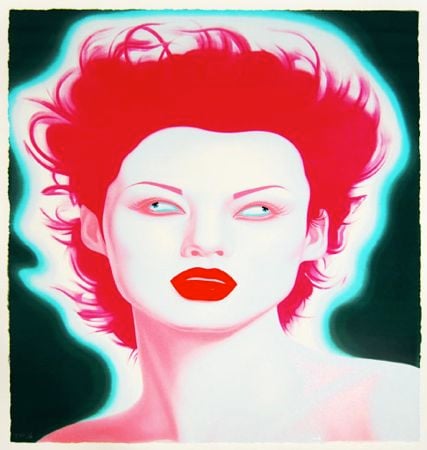
Screen print, printed on 490 gram smooth custom paper
Feng Zhengjie’s Chinese Portrait (a) is a bold screen-print that encapsulates his iconic style, using neon colors and surreal features to explore themes of identity and modern beauty standards. This portrait features a stylized woman with vibrant red hair and striking red lips, set against a contrasting dark background with a radiant neon aura around her. Her pale face and slightly unfocused gaze impart a sense of detachment and mystery, emphasizing an almost alien quality. Feng’s use of exaggerated, vivid colors and smooth, graphic lines invokes pop-art aesthetics while critiquing societal ideals of beauty in contemporary Chinese culture. Limited to an edition of 200, Chinese Portrait (a) invites viewers to question the superficiality of visual representation and the impact of beauty ideals.
Artwork Copyright © Feng ZhengjieFeng Zhengjie (China, 1968) is a contemporary artist best known for his vibrant, larger-than-life portraits that critique consumer culture and societal ideals. His Chinese Portrait series features stylized figures with vivid colors and vacant stares, reflecting a blend of traditional Chinese aesthetics and pop art. Feng's work explores identity in an era of globalization.
Artwork Copyright © Feng ZhengjieChinese Portrait (a), 2008
Form
Medium
Size
- Inches
- Centimeters
Edition
Price
- USD
- EUR
- GBP
- CHF
- Authenticity Guaranteed
- Insured Shipping
- Online Since 2005
●Inventory 1523
●Signed
●Comes with gallery invoice and certificate
●Sell Us a Similar Artwork. Learn more.
Screen print, printed on 490 gram smooth custom paper
Feng Zhengjie’s Chinese Portrait (a) is a bold screen-print that encapsulates his iconic style, using neon colors and surreal features to explore themes of identity and modern beauty standards. This portrait features a stylized woman with vibrant red hair and striking red lips, set against a contrasting dark background with a radiant neon aura around her. Her pale face and slightly unfocused gaze impart a sense of detachment and mystery, emphasizing an almost alien quality. Feng’s use of exaggerated, vivid colors and smooth, graphic lines invokes pop-art aesthetics while critiquing societal ideals of beauty in contemporary Chinese culture. Limited to an edition of 200, Chinese Portrait (a) invites viewers to question the superficiality of visual representation and the impact of beauty ideals.
Artwork Copyright © Feng ZhengjieFeng Zhengjie (China, 1968) is a contemporary artist best known for his vibrant, larger-than-life portraits that critique consumer culture and societal ideals. His Chinese Portrait series features stylized figures with vivid colors and vacant stares, reflecting a blend of traditional Chinese aesthetics and pop art. Feng's work explores identity in an era of globalization.
Artwork Copyright © Feng Zhengjie- Recently Added
- Price (Low-High)
- Price (High-Low)
- Year (Low-High)
- Year (High-Low)
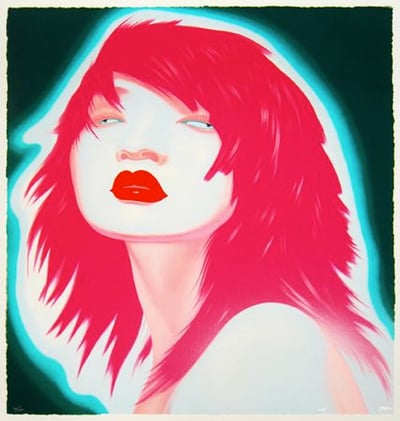
Feng Zhengjie
Chinese Portrait (c), 2008
Limited Edition Print
Screen-print
USD 950
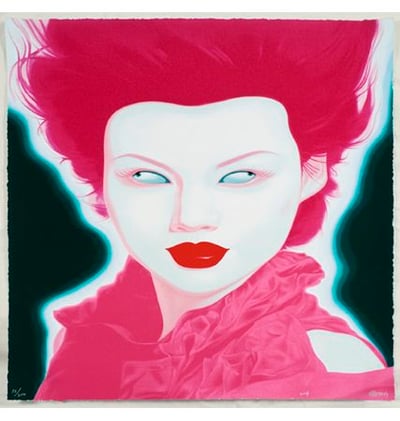
Feng Zhengjie
Chinese Portrait (b), 2008
Limited Edition Print
Screen-print
USD 950
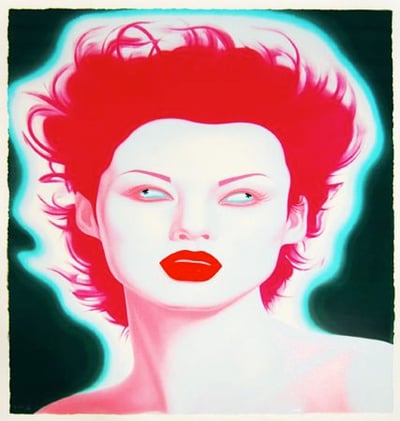
Feng Zhengjie
Chinese Portrait (a), 2008
Limited Edition Print
Screen-print
USD 950
Related Artists
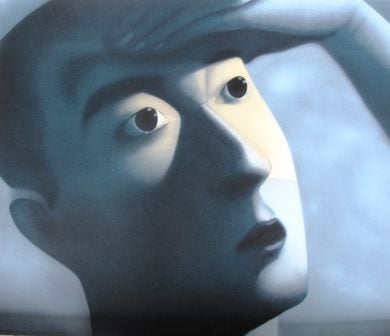

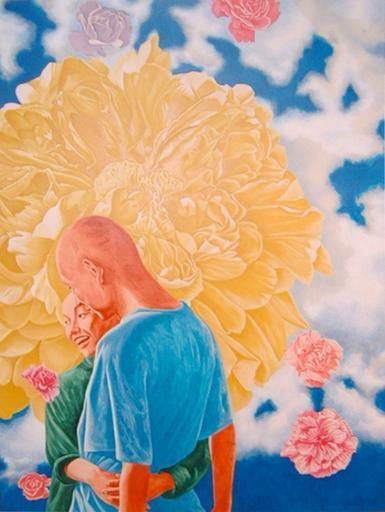
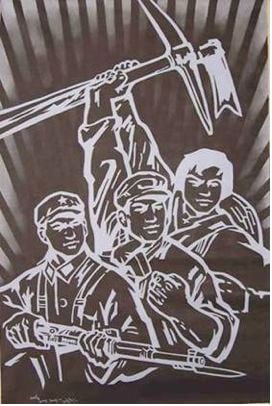

Artwork by Roger Raveel
What is new figuration?
Neo-Figurative Art is a collective term that refers to the revival of figurative art in America and Europe during the 1960s, following a period dominated by abstraction. Michel Ragon, a French art critic, argued that this resurgence of figuration occurred during a critical time of social and political upheaval in both regions.

Feng Zhengjie
Chinese Portrait (a), 2008
81 x 81 cm


