

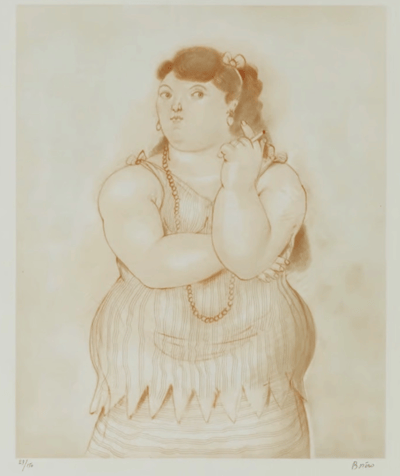
Fumador de Cigarrillos, 1975 -1980
Form
Medium
Size
- Inches
- Centimeters
Edition
Price
- Authenticity Guaranteed
- Insured Shipping
- Online Since 2005
Fernando Botero
Dessins et Aquarelles (2), 1984
Limited Edition Print
Lithograph
EUR 6,350

Fernando Botero
Pedrito, 1975
Limited Edition Print
Offset Print
EUR 6,600
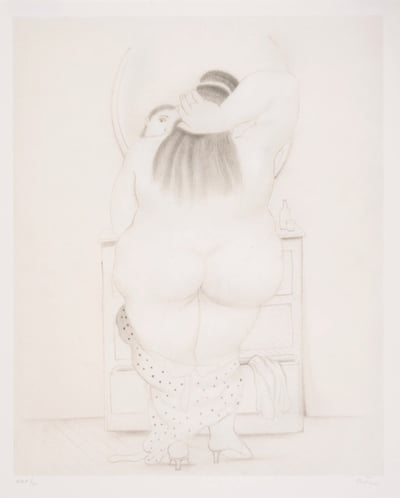
Fernando Botero
Dessins et Aquarelles: one plate, 1984
Limited Edition Print
Offset Print
USD 8,500
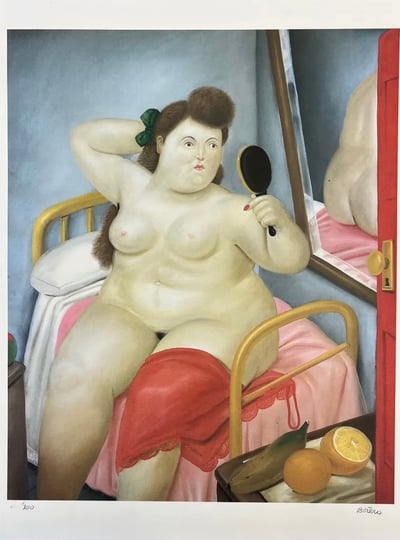
Fernando Botero
La Toilette, 1983
Limited Edition Print
Offset Print
EUR 6,870

Fernando Botero
Profile de Jeune Homme, 1992
Drawing / Watercolor
Pen and ink
USD 17,900
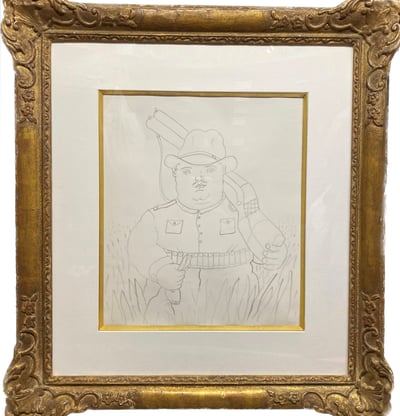
Fernando Botero
Hunter, 1980
Drawing / Watercolor
Pencil
USD 29,000 - 35,000

Fernando Botero
Fumador de Cigarrillos, 1975 -1980
Limited Edition Print
Lithograph
Currently Not Available

Fernando Botero
The Dancers, 1983
Limited Edition Print
Lithograph
Currently Not Available
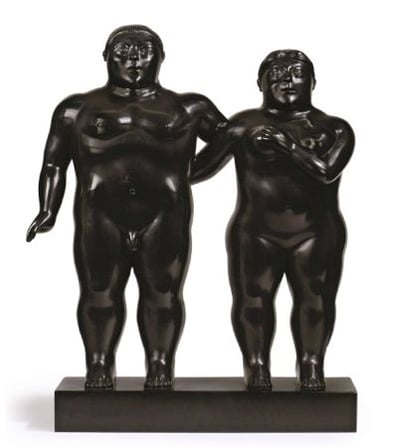
Fernando Botero
Man and Woman, .
Sculpture / Object
Bronze
Currently Not Available
Available works by Fernando Botero
See all →Fernando Botero
Dessins et Aquarelles (2), 1984
Limited Edition Print
Lithograph
EUR 6,350
Fernando Botero
Pedrito, 1975
Limited Edition Print
Offset Print
EUR 6,600
Fernando Botero
Dessins et Aquarelles: one plate, 1984
Limited Edition Print
Offset Print
USD 8,500
Fernando Botero
La Toilette, 1983
Limited Edition Print
Offset Print
EUR 6,870
Fernando Botero
Profile de Jeune Homme, 1992
Drawing / Watercolor
Pen and ink
USD 17,900
Fernando Botero
Hunter, 1980
Drawing / Watercolor
Pencil
USD 29,000 - 35,000
Related Artists

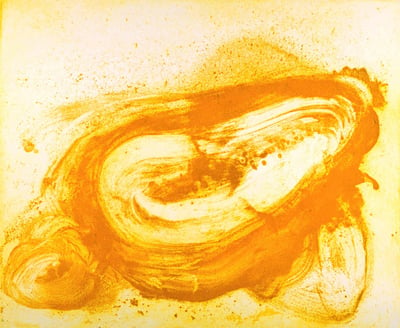



What is Naive Art?
Naïve art describes a style of artwork that is simple and unsophisticated, often created by artists without formal training in an academy or art school. The style is characterized by a lack of advanced techniques, giving it a childlike appearance. Naïve art often features bright colors, simple shapes, and a straightforward approach to subject matter, reflecting the artist's untrained perspective.


Fernando Botero
Fumador de Cigarrillos, 1975 -1980
35 x 28 cm


