

Colombia
Colombia's vibrant contemporary art scene, a fusion of indigenous influences and modern movements, is a testament to its rich cultural heritage. The Museum of Modern Art in Bogotá and the Museum of Antioquia serve as significant cultural cornerstones. Influential artists such as Doris Salcedo, noted for her thought-provoking installations, and Oscar Muñoz, with his ephemeral works, underscore Colombia's artistic dynamism. Embark on an exploration of Colombian contemporary art at Composition Gallery's website.
Artworks Related to Colombia
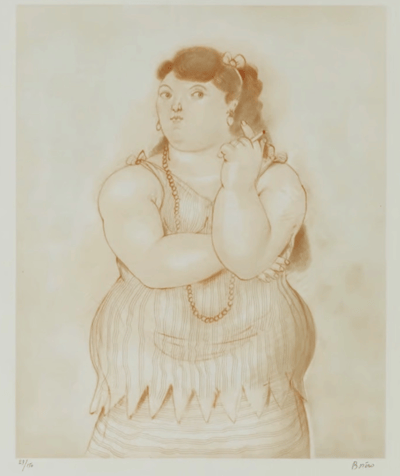
Fernando Botero
Dessins et Aquarelles (2), 1984
Limited Edition Print
Lithograph
EUR 6,350

Fernando Botero
Pedrito, 1975
Limited Edition Print
Offset Print
EUR 6,600
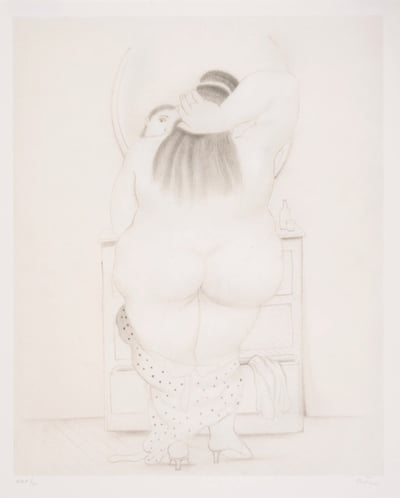
Fernando Botero
Dessins et Aquarelles: one plate, 1984
Limited Edition Print
Offset Print
USD 8,500
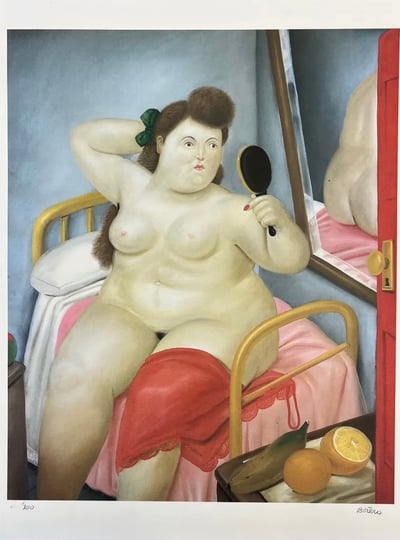
Fernando Botero
La Toilette, 1983
Limited Edition Print
Offset Print
EUR 6,870

Fernando Botero
Profile de Jeune Homme, 1992
Drawing / Watercolor
Pen and ink
USD 17,900

Fernando Botero
Fumador de Cigarrillos, 1975 -1980
Limited Edition Print
Lithograph
Currently Not Available

Fernando Botero
The Dancers, 1983
Limited Edition Print
Lithograph
Currently Not Available
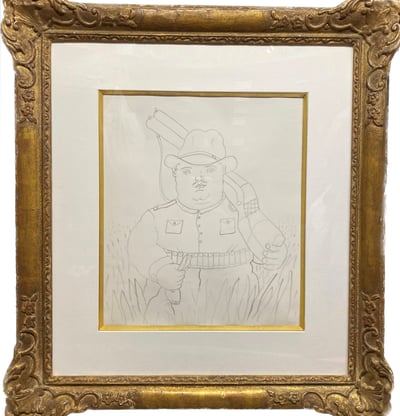
Fernando Botero
Hunter, 1980
Drawing / Watercolor
Pencil
USD 29,000 - 35,000

Mateo López
Cuaderno Bolivariano, 2012
Limited Edition Print
Mixed Media
EUR 450
Mateo López
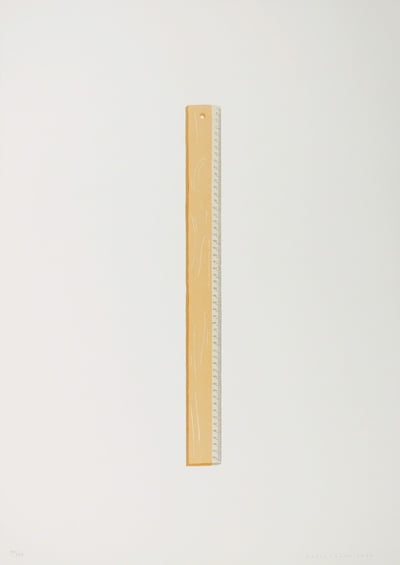
Regla calendario, 2012
Limited Edition Print
Lithograph
EUR 600

Mateo López
Tipografía de papel, 2012
Limited Edition Print
Lithograph
EUR 600
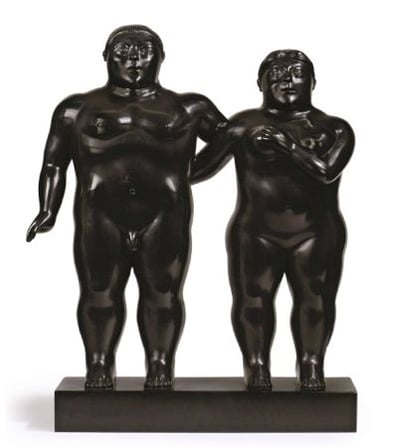
Fernando Botero
Man and Woman, .
Sculpture / Object
Bronze
Currently Not Available
Related Articles
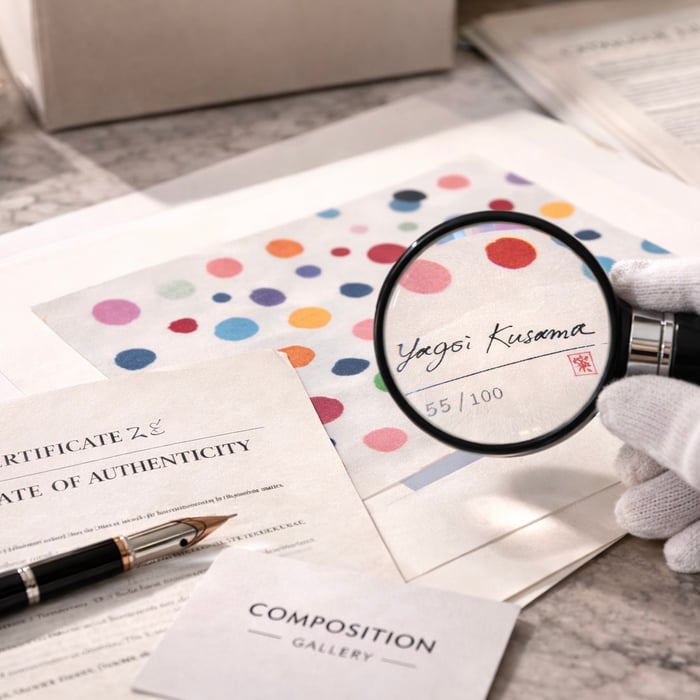

Queer Aesthetics refers to an art movement that emerged in the 1980s, focusing on themes of homosexuality, lesbianism, and broader issues of identity and gender. This movement gained momentum in the context of the AIDS crisis and the feminist movement, challenging traditional representations of sexuality and gender. Queer Aesthetics often explores the fluidity of gender and identity, as seen in the works of artists like Nan Goldin, who is known for her photography of individuals with ambiguous or non-conforming gender presentations.
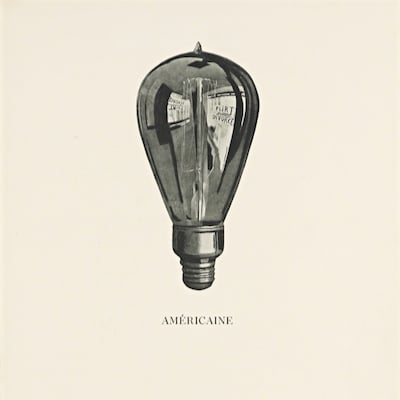
Also known as Dadaism, Dada was a literary and artistic movement that began in 1916 in Zurich, Switzerland. It emerged as a rejection of rationalism and nationalism, which were seen as contributing factors to World War I. The movement had political undertones and was strongly anti-war. Dada activities included demonstrations, gatherings, and the publication of literary and art journals that explored cultural and political topics.
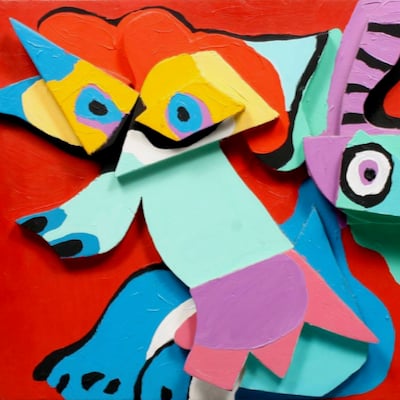
CoBrA stands for Copenhagen, Brussels, and Amsterdam; the group was formed with a desire to break away from the existing art movements of the time. Their critique of Western society led them to experiment and evolve into a significant international movement. CoBrA was founded on November 8, 1948, at the Notre Dame Café in Paris, where its manifesto was signed by Karel Appel, Joseph Noiret, Corneille, Christian Dotremont, Constant, and Asger Jorn. The group was united by a shared commitment to freedom in both form and color, and their work emphasized experimentation and spontaneity.
Can't find your Answer?
Thank you! Your question has been sent — we'll get back to you shortly.
