

Chapter XIII, 2010
Form
Medium
Size
- Inches
- Centimeters
Edition
Price
- Authenticity Guaranteed
- Insured Shipping
- Online Since 2005

Jan Fabre
Tivoli (portfolio of 7), 1990
Limited Edition Print
Lithograph
EUR 2,890

Jan Fabre
Smoking Stella, 2020
Photography
Mixed Media
EUR 5,000
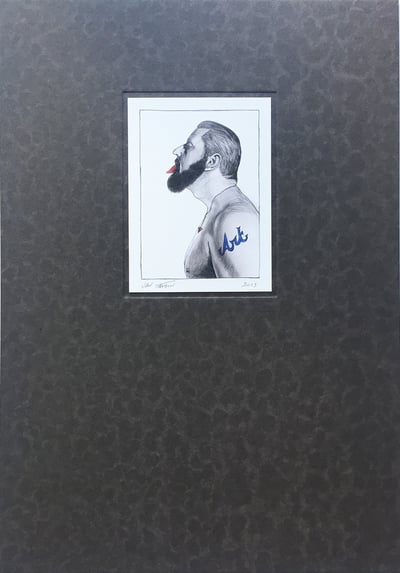
Jan Fabre
Art, 2013
Limited Edition Print
Collage
EUR 1,000
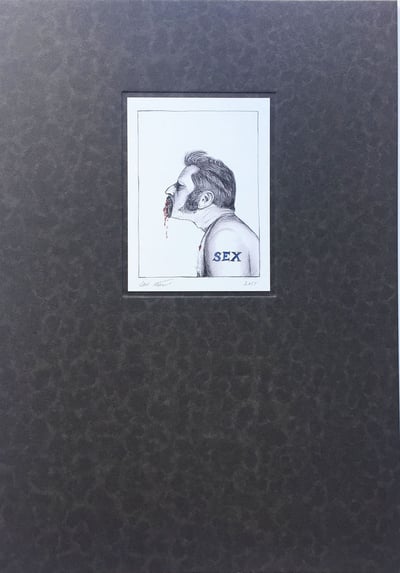
Jan Fabre
Sex, 2013
Limited Edition Print
Collage
EUR 1,000
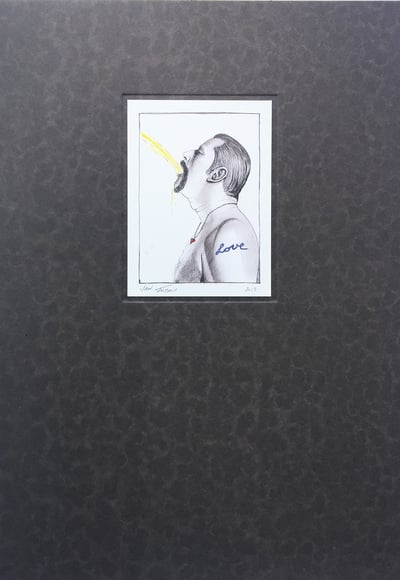
Jan Fabre
Love, 2013
Limited Edition Print
Collage
EUR 1,000

Jan Fabre
Flies, 2002
Tapestry
Tapestry
EUR 4,800

Jan Fabre
Fly, 2002
Tapestry
Tapestry
EUR 4,800

Jan Fabre
Privy - White, 2002
Tapestry
Tapestry
EUR 6,500

Jan Fabre
Privy - Red, 2002
Tapestry
Tapestry
EUR 6,500

Jan Fabre
Zelfmoord ?, 2004
Limited Edition Print
Lithograph
EUR 1,950
Available works by Jan Fabre
See all →Jan Fabre
Tivoli (portfolio of 7), 1990
Limited Edition Print
Lithograph
EUR 2,890
Jan Fabre
Smoking Stella, 2020
Photography
Mixed Media
EUR 5,000
Jan Fabre
Art, 2013
Limited Edition Print
Collage
EUR 1,000
Jan Fabre
Sex, 2013
Limited Edition Print
Collage
EUR 1,000
Jan Fabre
Love, 2013
Limited Edition Print
Collage
EUR 1,000
Jan Fabre
Flies, 2002
Tapestry
Tapestry
EUR 4,800
Related Artists


What is Shock Art?
Shock Art is an art movement that uses disturbing images, scents, or sounds to provoke a strong, often shocked, reaction from viewers. It is often regarded as a form of social commentary, with critics and supporters debating whether its impact is positive or negative. Shock Art frequently employs taboo, obscene, or outrageous elements to challenge societal norms and provoke critical thought.


