

Demeter, 1981
Form
Medium
Size
- Inches
- Centimeters
Edition
Easily Unframed
Price
- Authenticity Guaranteed
- Insured Shipping
- Online Since 2005
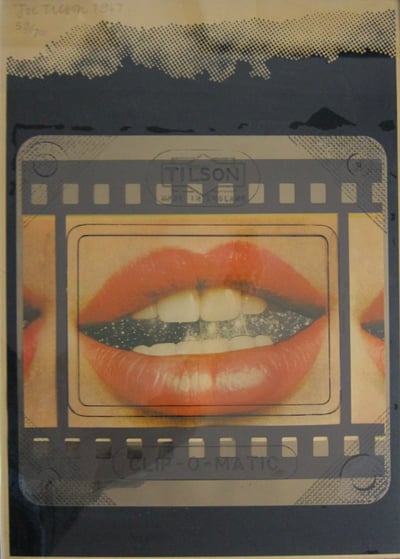
Joe Tilson
Transparency (clip o matic), 1967
Limited Edition Print
Mixed Media
EUR 2,500

Joe Tilson
Keramos, 1989
Limited Edition Print
Silkscreen
EUR 3,450

Joe Tilson
Stele for Dionysos, 1981
Sculpture / Object
Wood
EUR 3,650

Joe Tilson
Pool, 1981
Limited Edition Print
Mixed Media
EUR 2,500
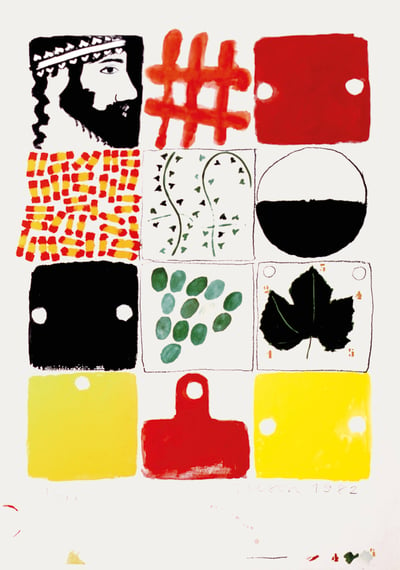
Joe Tilson
Untitled (Symbols and Fragments), 1989
Limited Edition Print
Lithograph
EUR 2,250

Joe Tilson
Keramos 1, 1989
Limited Edition Print
Silkscreen
EUR 2,250

Joe Tilson
Zikkurat, 1975
Limited Edition Print
Lithograph
EUR 2,250

Joe Tilson
Mnemonic Device, 1975
Limited Edition Print
Lithograph
EUR 2,250

Joe Tilson
Vola/Coccinella, 2001
Limited Edition Print
Lithograph
EUR 900

Joe Tilson
Proscinemi, Delphi, 1979
Limited Edition Print
Etching and Aquatint
USD 2,000

Joe Tilson
Proscinemi Olympia, 1979
Limited Edition Print
Lithograph
USD 2,000

Joe Tilson
Proscinemi Elousis, 1980
Limited Edition Print
Lithograph
USD 2,000
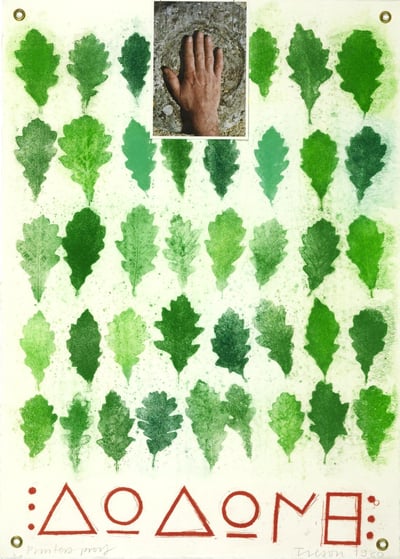
Joe Tilson
The oracle of zeus, 1980
Limited Edition Print
Etching
EUR 800
Available works by Joe Tilson
See all →Joe Tilson
Transparency (clip o matic), 1967
Limited Edition Print
Mixed Media
EUR 2,500
Joe Tilson
Keramos, 1989
Limited Edition Print
Silkscreen
EUR 3,450
Joe Tilson
Stele for Dionysos, 1981
Sculpture / Object
Wood
EUR 3,650
Joe Tilson
Pool, 1981
Limited Edition Print
Mixed Media
EUR 2,500
Joe Tilson
Untitled (Symbols and Fragments), 1989
Limited Edition Print
Lithograph
EUR 2,250
Joe Tilson
Keramos 1, 1989
Limited Edition Print
Silkscreen
EUR 2,250
Related Artists
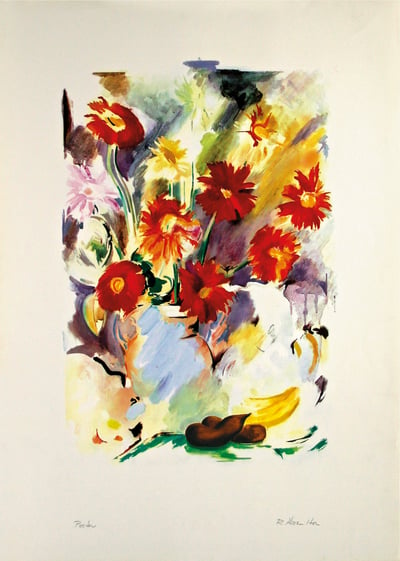
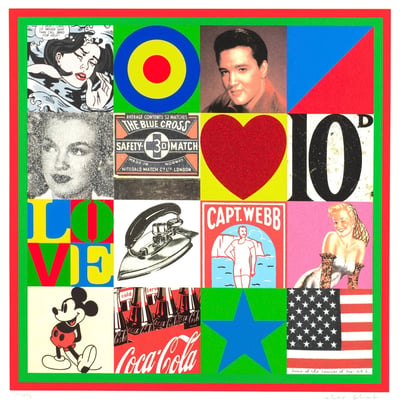

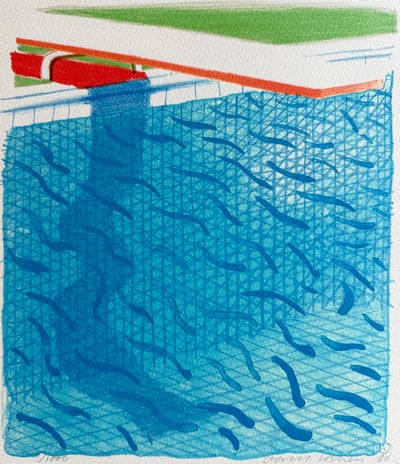

What is pop-art?
Pop Art is an art movement that began in Britain in 1955 and in the late 1950s in the U.S. It challenged traditional fine arts by incorporating imagery from popular culture, such as news, advertising, and comic books. Pop Art often isolates and recontextualizes materials, combining them with unrelated elements. The movement is more about the attitudes and ideas that inspired it than the specific art itself. Pop Art is seen as a reaction against the dominant ideas of Abstract Expressionism, bringing everyday consumer culture into the realm of fine art.


