

Four-color lithograph and eighteen-color screenprint on Hahnemuhle paper - Signed by the artist in pencil, dated and numbered
Artwork Copyright © Juan UsleJuan Uslé (Spain, 1954) is a contemporary painter known for his abstract works that blend rhythmic patterns with vibrant colors. His series 'Soñé que revelabas' reflects his nocturnal painting sessions, capturing the pulse of his heartbeat. Uslé divides his time between New York and Saro, Cantabria, infusing his art with diverse cultural influences.
Artwork Copyright © Juan UsleOmbra y Oscuridad, 2002
Form
Medium
Size
- Inches
- Centimeters
Edition
Price
Available works →
- Authenticity Guaranteed
- Insured Shipping
- Online Since 2005
●
●Inventory 5884
●Signed
●Comes with gallery invoice and certificate
●Sell Us a Similar Artwork. Learn more.
Four-color lithograph and eighteen-color screenprint on Hahnemuhle paper - Signed by the artist in pencil, dated and numbered
Artwork Copyright © Juan UsleJuan Uslé (Spain, 1954) is a contemporary painter known for his abstract works that blend rhythmic patterns with vibrant colors. His series 'Soñé que revelabas' reflects his nocturnal painting sessions, capturing the pulse of his heartbeat. Uslé divides his time between New York and Saro, Cantabria, infusing his art with diverse cultural influences.
Artwork Copyright © Juan Usle- Recently Added
- Price (Low-High)
- Price (High-Low)
- Year (Low-High)
- Year (High-Low)

Juan Usle
The Book of Landscapes II, 1987
Drawing / Watercolor
Mixed Media
Inquire For Price

Juan Usle
The Book of Landscapes I, 1987
Drawing / Watercolor
Mixed Media
Inquire For Price
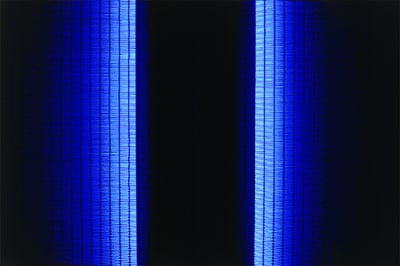
Juan Usle
Umbral -Dusseldörf, 2001
Photography
Mixed Media
Currently Not Available
Available works by Juan Usle
See all →Juan Usle
The Book of Landscapes II, 1987
Drawing / Watercolor
Mixed Media
Inquire For Price
Juan Usle
The Book of Landscapes I, 1987
Drawing / Watercolor
Mixed Media
Inquire For Price
Related Artists

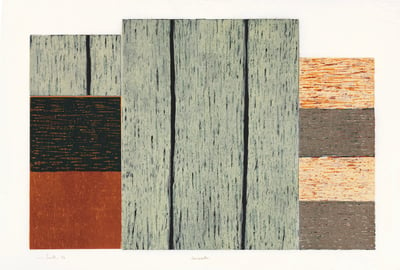

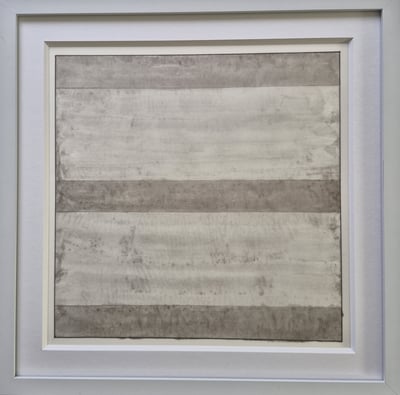

Artwork by Ellsworth Kelly
What is Colour Field Painting?
Colour Field Painting is an abstract style characterized by large areas of a single color or simple, solid colors. The term was first used in the 1950s to describe the work of three American Abstract Expressionist painters—Barnett Newman, Mark Rothko, and Clyfford Still. Their work emphasized the emotional power of color and the creation of vast, meditative spaces through expansive color fields.


