

Trinity: Heaven and Earth, 2000
Form
Medium
Size
- Inches
- Centimeters
Edition
Price
- Authenticity Guaranteed
- Insured Shipping
- Online Since 2005
- Recently Added
- Price (Low-High)
- Price (High-Low)
- Year (Low-High)
- Year (High-Low)

Kiki Smith
Untitled (Head of Kuan Yin), 2002
Photography
C-Print
EUR 7,000

Kiki Smith
1st State Self Portrait, 1993
Limited Edition Print
Etching
USD 5,950

Kiki Smith
Untitled - bite, 1988
Limited Edition Print
Digital Print on paper
USD 2,950
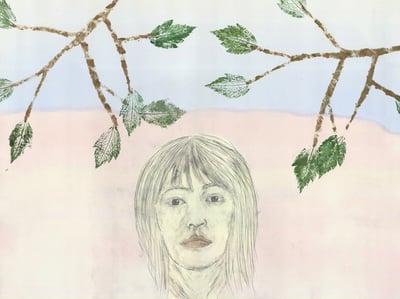
Kiki Smith
Moment B, 2006
Limited Edition Print
Lithograph
Currently Not Available
Available works by Kiki Smith
See all →Kiki Smith
Untitled (Head of Kuan Yin), 2002
Photography
C-Print
EUR 7,000
Kiki Smith
1st State Self Portrait, 1993
Limited Edition Print
Etching
USD 5,950
Kiki Smith
Untitled - bite, 1988
Limited Edition Print
Digital Print on paper
USD 2,950
Related Artists

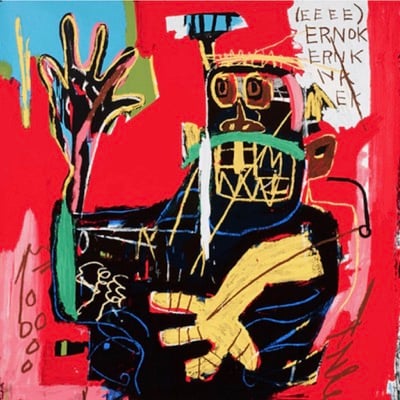
What is East Village Art?
In 1981, Patti Astor opened the first art gallery in New York City's East Village, helping to launch the careers of various artists and musicians. The gallery started small but quickly gained popularity, contributing to the emergence of art movements such as Neo-Expressionism and Street Art in the area. The East Village became a hub for these new artistic expressions. However, the gallery closed in 1985 due to waning interest.


