

Astaire in the Air, 1990
Form
Medium
Size
- Inches
- Centimeters
Edition
Price
- Authenticity Guaranteed
- Insured Shipping
- Online Since 2005
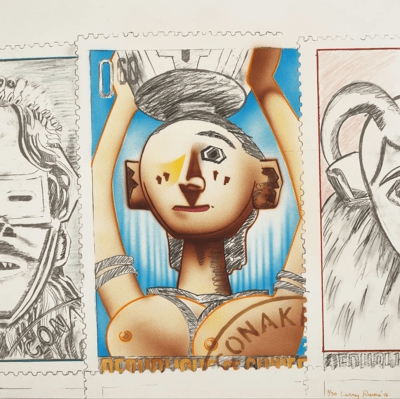
Larry Rivers
Patriotic Stamps, 1976
Limited Edition Print
Mixed Media
Inquire For Price

Larry Rivers
Untitled from The New York Collection for Stockholm, 1973
Limited Edition Print
Mixed Media
GBP 2,340
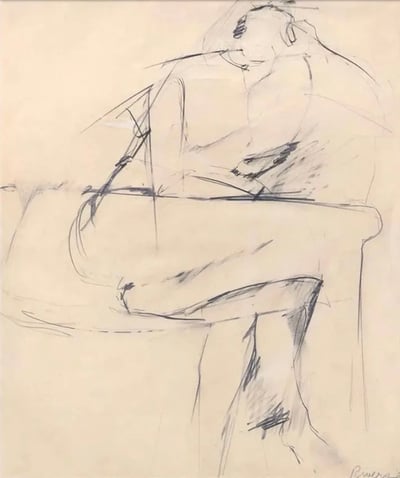
Larry Rivers
Postponderance, 1960
Drawing / Watercolor
Charcoal
Inquire For Price

Larry Rivers
Untitled (King of Clubs), 1967
Drawing / Watercolor
Mixed Media
Inquire For Price

Larry Rivers
Golden Tales, 1990
Limited Edition Print
Lithograph
Inquire For Price
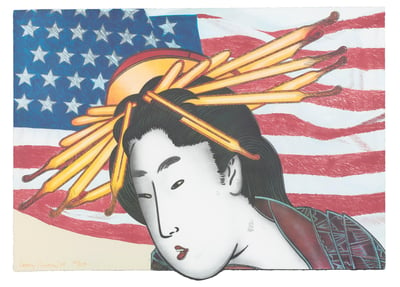
Larry Rivers
Madame Butterfly, from Metropolitan Opera Fine Art I, 1978
Limited Edition Print
Mixed Media
USD 1,150

Larry Rivers
For Adults Only, 1971
Limited Edition Print
Offset Print
USD 7,200
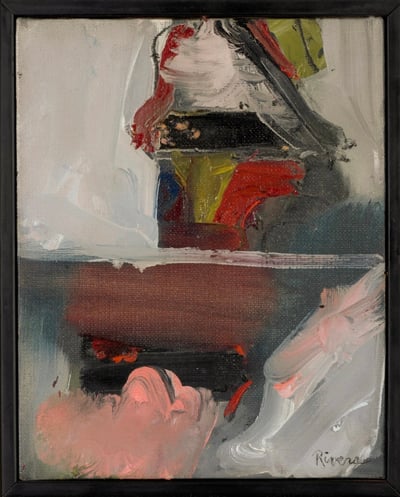
Larry Rivers
Queen of Clubs, 1960
Painting
Oil on canvas
Inquire For Price

Larry Rivers
Webster, 1978
Drawing / Watercolor
Collage
USD 7,200

Larry Rivers
Fred and Ginger, 1999
Limited Edition Print
Mixed Media
USD 11,400
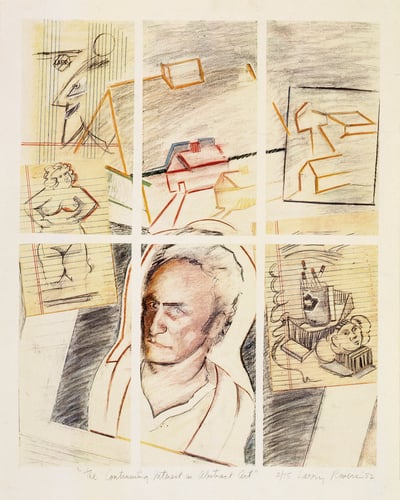
Larry Rivers
Untitled (Fragmented Portrait), 1982
Limited Edition Print
Silkscreen
EUR 2,850

Larry Rivers
Early Chaplin, 1991
Limited Edition Print
Screen-print
USD 1,500

Larry Rivers
House of Cards - blue, 1990
Limited Edition Print
Screen-print
USD 1,550
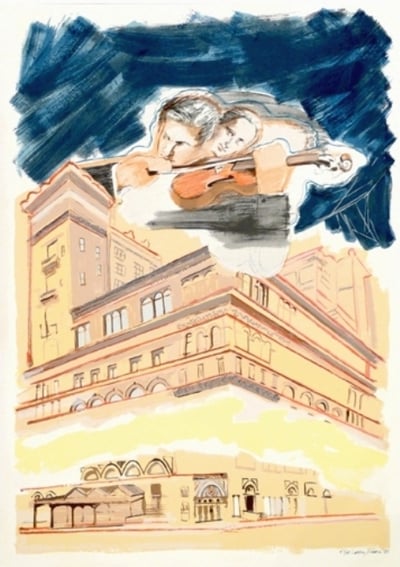
Larry Rivers
Sky Music Over Carnegie Hall, 1990
Limited Edition Print
Screen-print
USD 1,875

Larry Rivers
Make Believe Ballroom, 1989
Limited Edition Print
Mixed Media
Currently Not Available
Available works by Larry Rivers
See all →Larry Rivers
Patriotic Stamps, 1976
Limited Edition Print
Mixed Media
Inquire For Price
Larry Rivers
Untitled from The New York Collection for Stockholm, 1973
Limited Edition Print
Mixed Media
GBP 2,340
Larry Rivers
Postponderance, 1960
Drawing / Watercolor
Charcoal
Inquire For Price
Larry Rivers
Untitled (King of Clubs), 1967
Drawing / Watercolor
Mixed Media
Inquire For Price
Larry Rivers
Golden Tales, 1990
Limited Edition Print
Lithograph
Inquire For Price
Larry Rivers
Madame Butterfly, from Metropolitan Opera Fine Art I, 1978
Limited Edition Print
Mixed Media
USD 1,150
Related Artists



What is Lettrism?
Lettrism is an art form that uses letters, words, and symbols to create artwork. The movement was established in Paris in the 1940s and later gained popularity in the 1950s in America. Lettrisme is the French spelling of the movement's name, derived from the French word for letter.


