

// Leonard Freed’s Back Horse (1974) is a captivating black-and-white photograph that captures the essence of rural life and freedom. This archival print presents a vast, open landscape with a lone horse in motion, trotting along a dirt path with a sprawling village in the background, set upon a hillside. The composition leads the viewer’s eye from the horse in the foreground to the distant cluster of buildings, emphasizing the contrast between the solitary animal and the densely packed village. Freed’s skillful use of light and shadow highlights the natural textures of the field and the rustic path, creating a sense of timelessness and serene isolation. This photograph is a beautiful representation of the interplay between man-made and natural worlds, and it captures a fleeting moment of unrestrained movement within a static environment.
Artwork Copyright © Leonard FreedLeonard Freed (USA, 1929–2006) was a documentary photographer and longtime Magnum Photos member. Best known for his poignant black-and-white images, he captured pivotal moments of the Civil Rights Movement, everyday life in post-war Europe, and themes of justice and humanity.
Artwork Copyright © Leonard FreedBack Horse, 1974
Form
Medium
Size
- Inches
- Centimeters
Edition
Price
- USD
- EUR
- GBP
- CHF
- Authenticity Guaranteed
- Insured Shipping
- Online Since 2005
●Inventory 10001
●Hand Signed
●Comes with gallery invoice and certificate
●Sell Us a Similar Artwork. Learn more.
// Leonard Freed’s Back Horse (1974) is a captivating black-and-white photograph that captures the essence of rural life and freedom. This archival print presents a vast, open landscape with a lone horse in motion, trotting along a dirt path with a sprawling village in the background, set upon a hillside. The composition leads the viewer’s eye from the horse in the foreground to the distant cluster of buildings, emphasizing the contrast between the solitary animal and the densely packed village. Freed’s skillful use of light and shadow highlights the natural textures of the field and the rustic path, creating a sense of timelessness and serene isolation. This photograph is a beautiful representation of the interplay between man-made and natural worlds, and it captures a fleeting moment of unrestrained movement within a static environment.
Artwork Copyright © Leonard FreedLeonard Freed (USA, 1929–2006) was a documentary photographer and longtime Magnum Photos member. Best known for his poignant black-and-white images, he captured pivotal moments of the Civil Rights Movement, everyday life in post-war Europe, and themes of justice and humanity.
Artwork Copyright © Leonard Freed- Recently Added
- Price (Low-High)
- Price (High-Low)
- Year (Low-High)
- Year (High-Low)

Leonard Freed
Back Horse, 1974
Photography
Archival Print
USD 3,680

Leonard Freed
Mykonos Athletes, 1975
Photography
Archival Print
USD 3,090

Leonard Freed
Louisiana Prison, 1963
Photography
Archival Print
USD 11,900
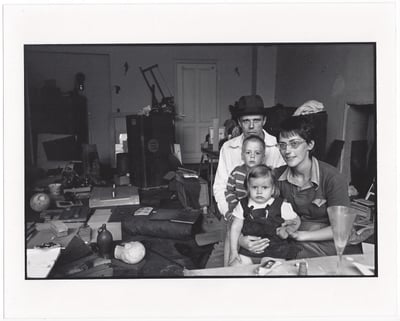
Leonard Freed
Joseph Beuys and his Family in his Home in Oberkassel, 1965
Photography
Gelatin Silver Print
USD 3,500
Related Artists
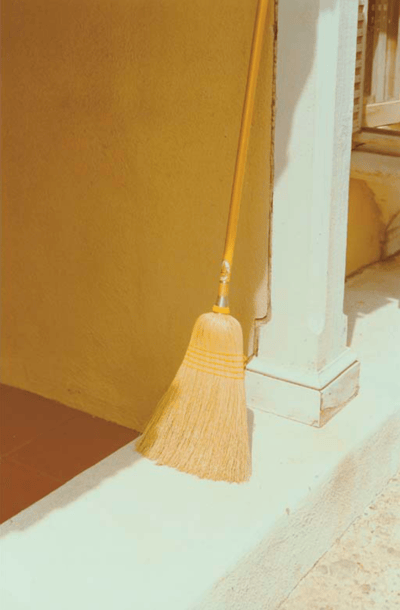
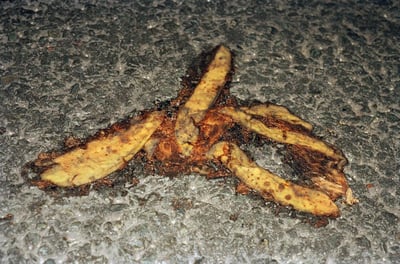

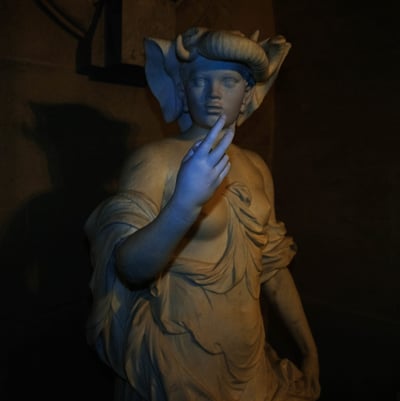
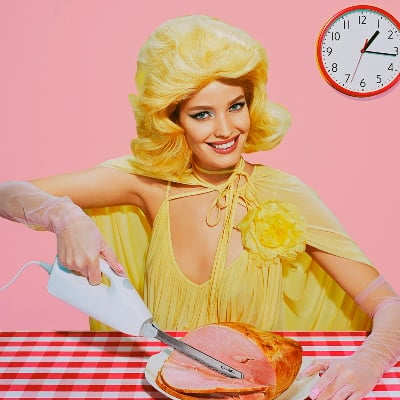
Artwork by Miles Aldridge
What is contemporary art?
Contemporary art refers to avant-garde or innovative art created in the recent past or present day. The exact starting point of contemporary art varies depending on the institution, often tied to the founding year of museums or galleries that showcase the style. Contemporary art is characterized by its focus on current ideas, diverse media, and the exploration of new concepts and techniques.

Leonard Freed
Back Horse, 1974
24 x 30 cm


