

1965 Later Print. Printed in Paris by Steinmetz for Paris, France Exhibition - Original Exhibition MAT -
Used in Book, BLACK IN WHITE AMERICA, Grossman Publishers 1969
Lousiana Prison by Leonard Freed is a haunting archival print from 1963, capturing a moment of stark humanity within the confines of incarceration. Freed's black-and-white photograph shows prisoners reaching through the bars, their outstretched hands emphasizing both their confinement and their yearning for freedom or connection. The image, with its strong contrast and dramatic lighting, draws the viewer’s attention to the isolation and desperation felt within the prison walls. Originally printed for an exhibition in Paris, this photograph was later featured in Freed’s seminal book Black in White America (1969), which documented racial and social struggles across the United States. The composition and depth of field create a powerful, almost cinematic atmosphere, inviting reflection on issues of imprisonment and social injustice.
Artwork Copyright © Leonard FreedLeonard Freed (USA, 1929–2006) was a documentary photographer and longtime Magnum Photos member. Best known for his poignant black-and-white images, he captured pivotal moments of the Civil Rights Movement, everyday life in post-war Europe, and themes of justice and humanity.
Artwork Copyright © Leonard FreedLouisiana Prison, 1963
Form
Medium
Size
- Inches
- Centimeters
Edition
Price
- USD
- EUR
- GBP
- CHF
- Authenticity Guaranteed
- Insured Shipping
- Online Since 2005
●Inventory 9971
●Hand Signed
●Comes with gallery invoice and certificate
●Sell Us a Similar Artwork. Learn more.
1965 Later Print. Printed in Paris by Steinmetz for Paris, France Exhibition - Original Exhibition MAT -
Used in Book, BLACK IN WHITE AMERICA, Grossman Publishers 1969
Lousiana Prison by Leonard Freed is a haunting archival print from 1963, capturing a moment of stark humanity within the confines of incarceration. Freed's black-and-white photograph shows prisoners reaching through the bars, their outstretched hands emphasizing both their confinement and their yearning for freedom or connection. The image, with its strong contrast and dramatic lighting, draws the viewer’s attention to the isolation and desperation felt within the prison walls. Originally printed for an exhibition in Paris, this photograph was later featured in Freed’s seminal book Black in White America (1969), which documented racial and social struggles across the United States. The composition and depth of field create a powerful, almost cinematic atmosphere, inviting reflection on issues of imprisonment and social injustice.
Artwork Copyright © Leonard FreedLeonard Freed (USA, 1929–2006) was a documentary photographer and longtime Magnum Photos member. Best known for his poignant black-and-white images, he captured pivotal moments of the Civil Rights Movement, everyday life in post-war Europe, and themes of justice and humanity.
Artwork Copyright © Leonard Freed- Recently Added
- Price (Low-High)
- Price (High-Low)
- Year (Low-High)
- Year (High-Low)

Leonard Freed
Back Horse, 1974
Photography
Archival Print
USD 3,680

Leonard Freed
Mykonos Athletes, 1975
Photography
Archival Print
USD 3,090

Leonard Freed
Louisiana Prison, 1963
Photography
Archival Print
USD 11,900
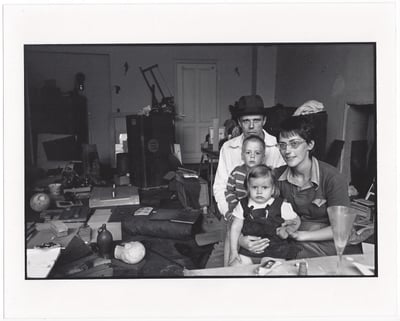
Leonard Freed
Joseph Beuys and his Family in his Home in Oberkassel, 1965
Photography
Gelatin Silver Print
USD 3,500
Related Artists
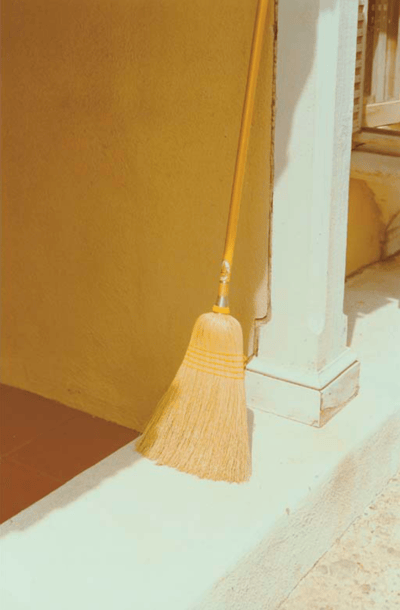
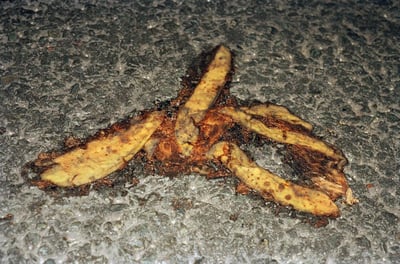

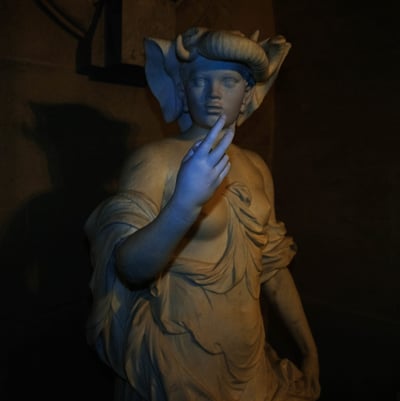

Artwork by Louise Bourgeois
What is Postmodernism?
Postmodernism is an art movement that emerged as a reaction against authority and traditional boundaries, seeking to blur the lines between art and everyday life. It aimed to bridge the gap between the cultural elite and the general public by embracing eclectic mixtures of earlier conventions and styles. Postmodernist art often challenges established norms and celebrates diversity, irony, and pastiche, making it a movement that reflects the complexities of contemporary culture.


Leonard Freed
Louisiana Prison, 1963
30 x 40 cm


