

Freed was vacationing in Greece in 1975 when he spotted these Stone Throwing Athletes
Leonard Freed's Mykonos Athletes (1975) is a compelling black-and-white photograph that captures an impromptu scene of athleticism and freedom on a beach in Mykonos, Greece. The archival print presents two nude figures engaged in a dynamic stone-throwing stance, embodying both grace and strength against a backdrop of rugged hills and scattered beachgoers. The photograph’s composition balances movement with stillness, as the active figures stand in contrast to the relaxed onlookers in the background. Freed’s choice of black-and-white enhances the timeless quality of the image, highlighting the contrasts in light and shadow, and imbuing the scene with a raw, unfiltered authenticity. This work reflects Freed’s keen eye for spontaneous human expression and the natural beauty of the Greek landscape.
Artwork Copyright © Leonard FreedLeonard Freed (USA, 1929–2006) was a documentary photographer and longtime Magnum Photos member. Best known for his poignant black-and-white images, he captured pivotal moments of the Civil Rights Movement, everyday life in post-war Europe, and themes of justice and humanity.
Artwork Copyright © Leonard FreedMykonos Athletes, 1975
Form
Medium
Size
- Inches
- Centimeters
Edition
Price
- USD
- EUR
- GBP
- CHF
- Authenticity Guaranteed
- Insured Shipping
- Online Since 2005
●Inventory 10000
●Hand Signed
●Comes with gallery invoice and certificate
●Sell Us a Similar Artwork. Learn more.
Freed was vacationing in Greece in 1975 when he spotted these Stone Throwing Athletes
Leonard Freed's Mykonos Athletes (1975) is a compelling black-and-white photograph that captures an impromptu scene of athleticism and freedom on a beach in Mykonos, Greece. The archival print presents two nude figures engaged in a dynamic stone-throwing stance, embodying both grace and strength against a backdrop of rugged hills and scattered beachgoers. The photograph’s composition balances movement with stillness, as the active figures stand in contrast to the relaxed onlookers in the background. Freed’s choice of black-and-white enhances the timeless quality of the image, highlighting the contrasts in light and shadow, and imbuing the scene with a raw, unfiltered authenticity. This work reflects Freed’s keen eye for spontaneous human expression and the natural beauty of the Greek landscape.
Artwork Copyright © Leonard FreedLeonard Freed (USA, 1929–2006) was a documentary photographer and longtime Magnum Photos member. Best known for his poignant black-and-white images, he captured pivotal moments of the Civil Rights Movement, everyday life in post-war Europe, and themes of justice and humanity.
Artwork Copyright © Leonard Freed- Recently Added
- Price (Low-High)
- Price (High-Low)
- Year (Low-High)
- Year (High-Low)

Leonard Freed
Back Horse, 1974
Photography
Archival Print
USD 3,680

Leonard Freed
Mykonos Athletes, 1975
Photography
Archival Print
USD 3,090

Leonard Freed
Louisiana Prison, 1963
Photography
Archival Print
USD 11,900
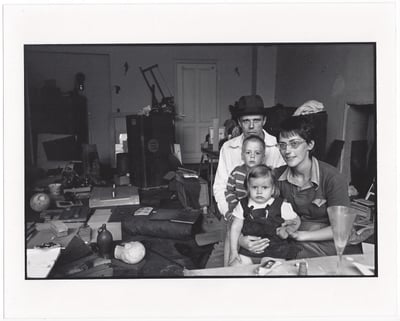
Leonard Freed
Joseph Beuys and his Family in his Home in Oberkassel, 1965
Photography
Gelatin Silver Print
USD 3,500
Related Artists



Artwork by Wang Guangyi
What is activist art?
Activist Art is a form of art created to address social and political issues. It often involves public engagement and works closely with communities to raise awareness or inspire change. While it can include elements of performance art, it is not limited to this form. Examples include creating and distributing social protest posters or organizing community-based art projects that highlight specific causes.


Leonard Freed
Mykonos Athletes, 1975
24 x 30 cm


