

To fix it III, 2018
Form
Medium
Size
- Inches
- Centimeters
Edition
Price
- Authenticity Guaranteed
- Insured Shipping
- Online Since 2005
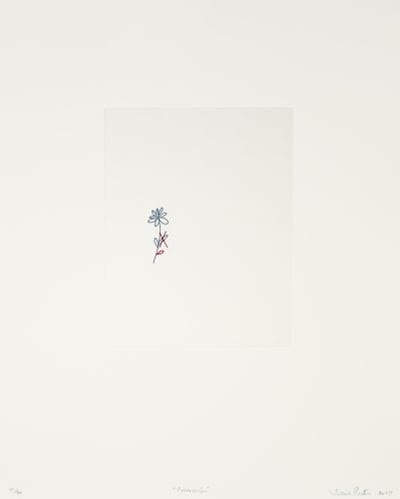
Liliana Porter
Corrección, 2018
Limited Edition Print
Etching
EUR 1,500
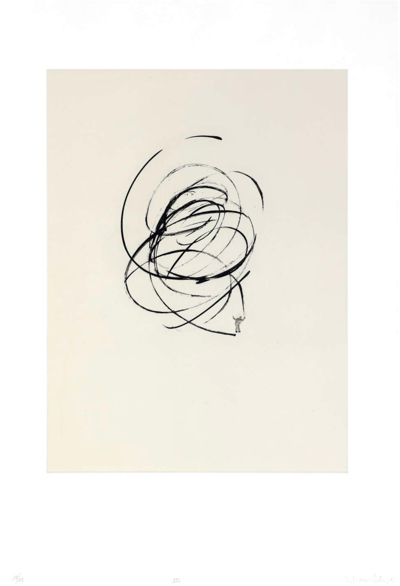
Liliana Porter
Dibujos III, 2025
Limited Edition Print
Collage
EUR 3,000
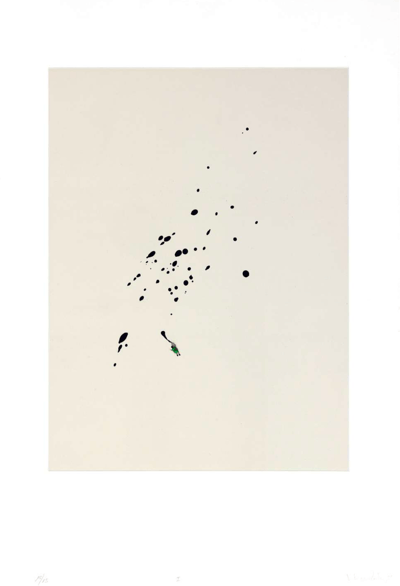
Liliana Porter
Dibujos I, 2025
Limited Edition Print
Collage
EUR 3,000

Liliana Porter
La faena, 2024
Limited Edition Print
Collage
EUR 3,000

Liliana Porter
Uno más, 2024
Limited Edition Print
Collage
EUR 3,000

Liliana Porter
La espiral, 2024
Limited Edition Print
Collage
EUR 3,000

Liliana Porter
Tenista, 2021
Limited Edition Print
Collage
EUR 1,800

Liliana Porter
Derramar, 2023
Limited Edition Print
Collage
EUR 1,800

Liliana Porter
Mask, 2019
Limited Edition Print
Etching
EUR 1,800

Liliana Porter
Correction, 2019
Limited Edition Print
Etching
EUR 1,800

Liliana Porter
Them, Him, 2018
Limited Edition Print
Mixed Media
EUR 1,800
Liliana Porter
El caminante
Limited Edition Print
Mixed Media
EUR 13,000
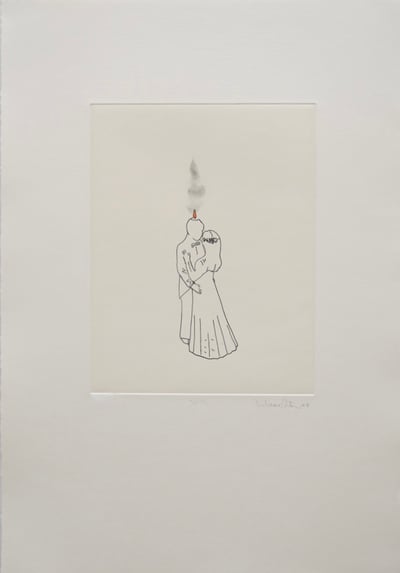
Liliana Porter
Vals , 2007
Limited Edition Print
Etching
EUR 1,400
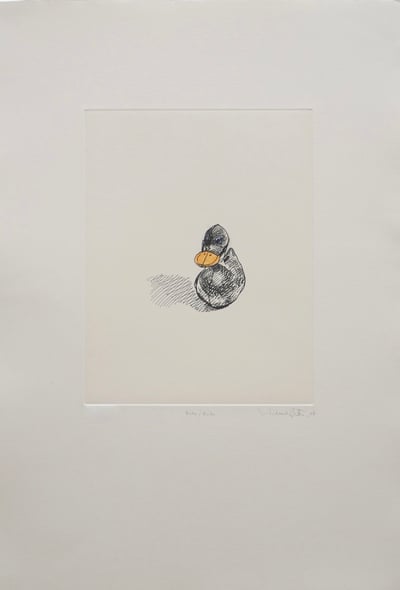
Liliana Porter
Pato, 2007
Limited Edition Print
Etching
EUR 1,400

Liliana Porter
Concierto, 2007
Limited Edition Print
Etching
EUR 1,400

Liliana Porter
Mono, 2007
Limited Edition Print
Etching
EUR 1,400
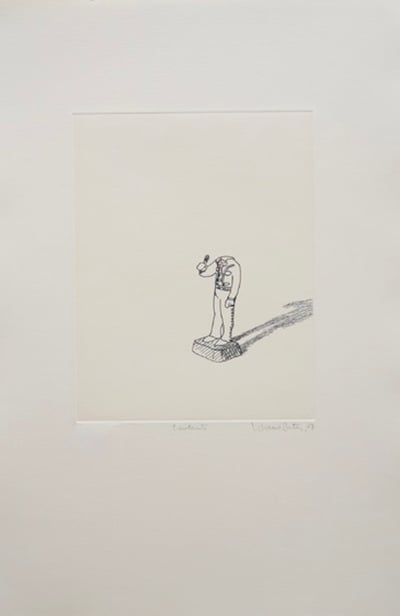
Liliana Porter
Cantante, 2007
Limited Edition Print
Etching
EUR 1,400
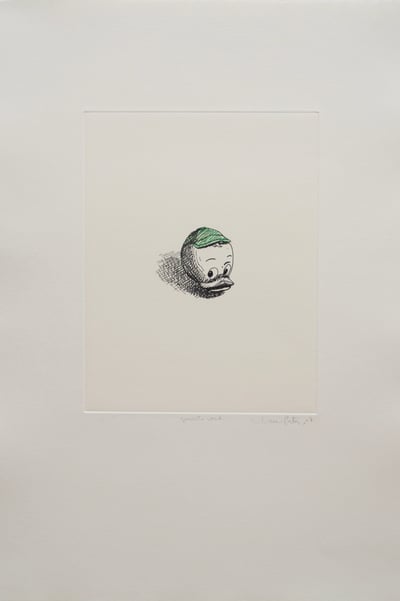
Liliana Porter
Gorrito verde, 2007
Limited Edition Print
Etching
EUR 1,400
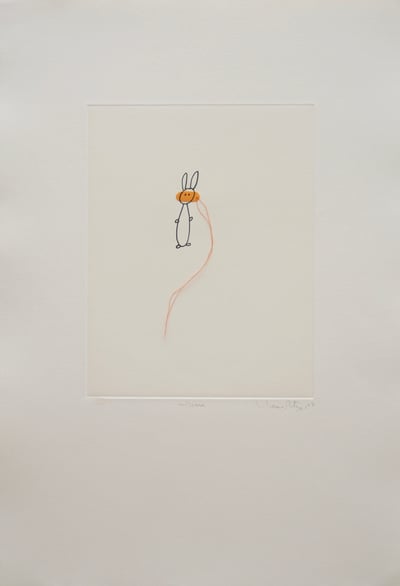
Liliana Porter
Máscara, 2007
Limited Edition Print
Etching
EUR 1,400
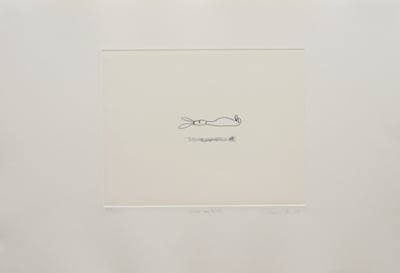
Liliana Porter
Conejo que levita, 2007
Limited Edition Print
Etching
EUR 1,400

Liliana Porter
Concierto II, 2007
Limited Edition Print
Etching
EUR 1,400

Liliana Porter
Sin título con nazi , 2005
Limited Edition Print
Lithograph
EUR 1,800
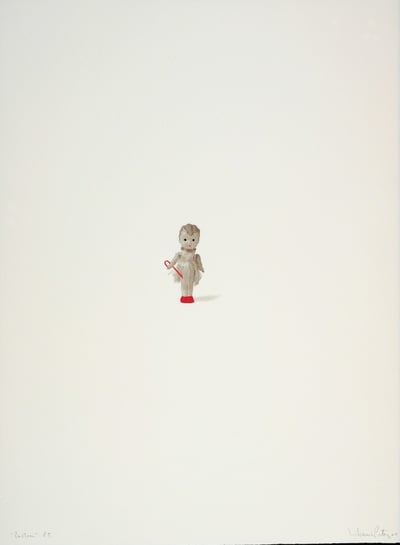
Liliana Porter
Pastora, 2005
Limited Edition Print
Lithograph
EUR 1,800
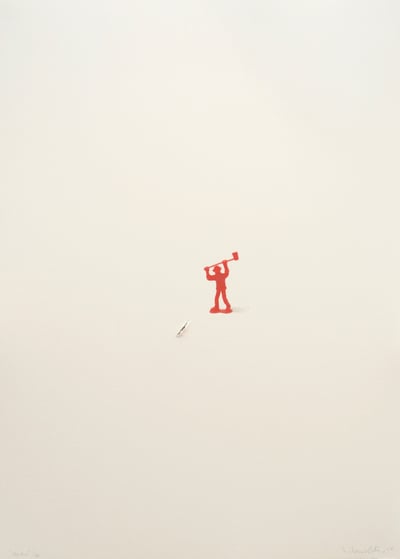
Liliana Porter
Hacha, 2005
Limited Edition Print
Lithograph
EUR 1,800

Liliana Porter
Situación, 2005
Limited Edition Print
Lithograph
EUR 1,800

Liliana Porter
Diálogo con eso, 2005
Limited Edition Print
Lithograph
EUR 2,200
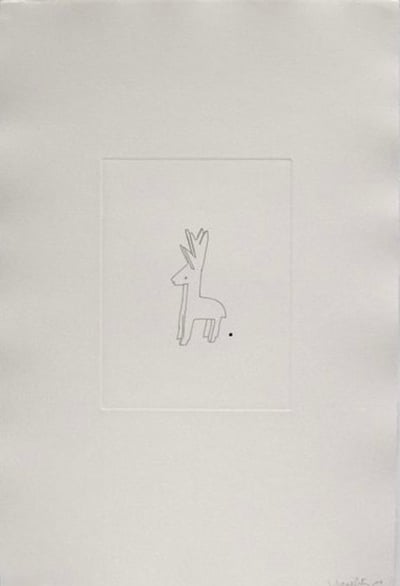
Liliana Porter
Shit, 2005
Limited Edition Print
Etching
EUR 1,400

Liliana Porter
Elvis , 2010
Limited Edition Print
Lithograph
EUR 2,400
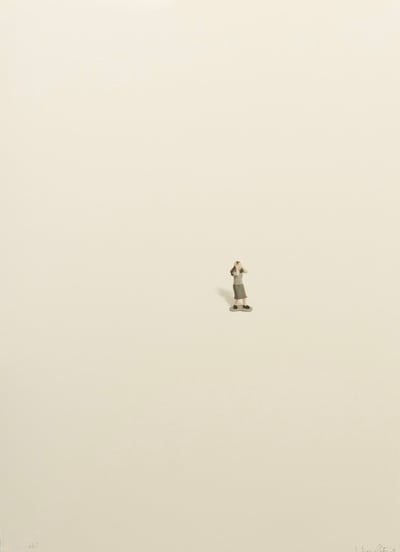
Liliana Porter
Oh!, 2010
Limited Edition Print
Lithograph
EUR 2,400

Liliana Porter
Stone, 2010
Limited Edition Print
Lithograph
EUR 2,300

Liliana Porter
The Task , 2010
Limited Edition Print
Lithograph
EUR 2,300

Liliana Porter
The Offer, 2010
Limited Edition Print
Lithograph
EUR 2,300
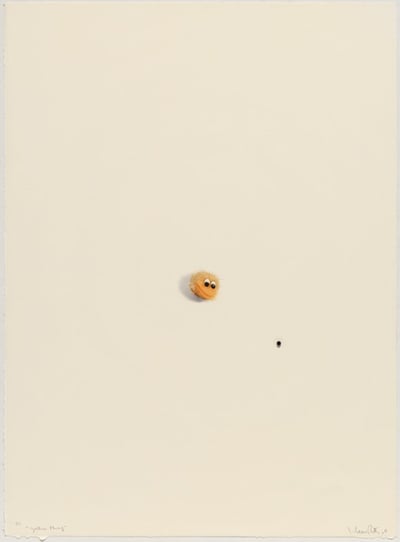
Liliana Porter
Yellow thing, 2010
Limited Edition Print
Lithograph
EUR 2,300
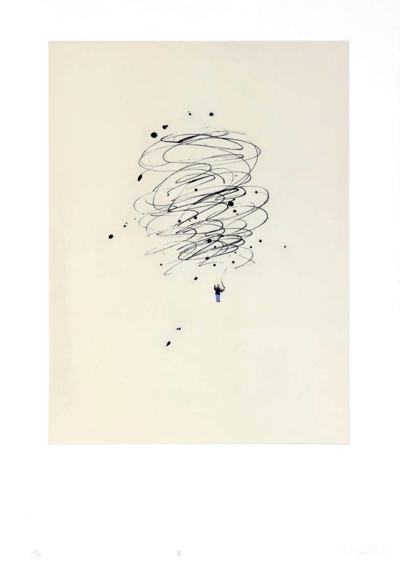
Liliana Porter
Dibujos II, 2025
Limited Edition Print
Collage
Currently Not Available

Liliana Porter
La montañita, 2023
Limited Edition Print
Collage
Currently Not Available

Liliana Porter
Alfombra, 2023
Limited Edition Print
Collage
Currently Not Available
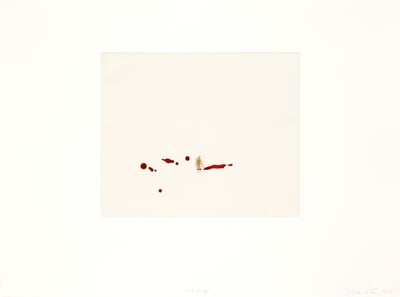
Liliana Porter
Red drips, 2019
Limited Edition Print
Etching
Currently Not Available

Liliana Porter
Black drips, 2019
Limited Edition Print
Etching
Currently Not Available

Liliana Porter
To fix it II, 2018
Limited Edition Print
Mixed Media
Currently Not Available
Available works by Liliana Porter
See all →Liliana Porter
Corrección, 2018
Limited Edition Print
Etching
EUR 1,500
Liliana Porter
Dibujos III, 2025
Limited Edition Print
Collage
EUR 3,000
Liliana Porter
Dibujos I, 2025
Limited Edition Print
Collage
EUR 3,000
Liliana Porter
La faena, 2024
Limited Edition Print
Collage
EUR 3,000
Liliana Porter
Uno más, 2024
Limited Edition Print
Collage
EUR 3,000
Liliana Porter
La espiral, 2024
Limited Edition Print
Collage
EUR 3,000
Related Artists

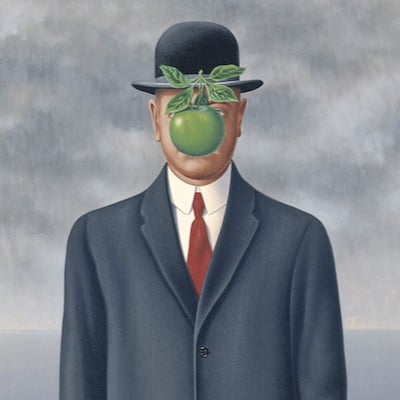
What is Surrealism?
Surrealism began in the 1920s as an art and literary movement with the goal of revealing the unconscious mind and unleashing the imagination by exploring unusual and dream-like imagery. Influenced by Sigmund Freud’s theories of psychoanalysis, Surrealist artists and writers sought to bring the unconscious into rational life, blurring the lines between reality and dreams. The movement aimed to challenge conventional perceptions and express the irrational aspects of the human experience.


