
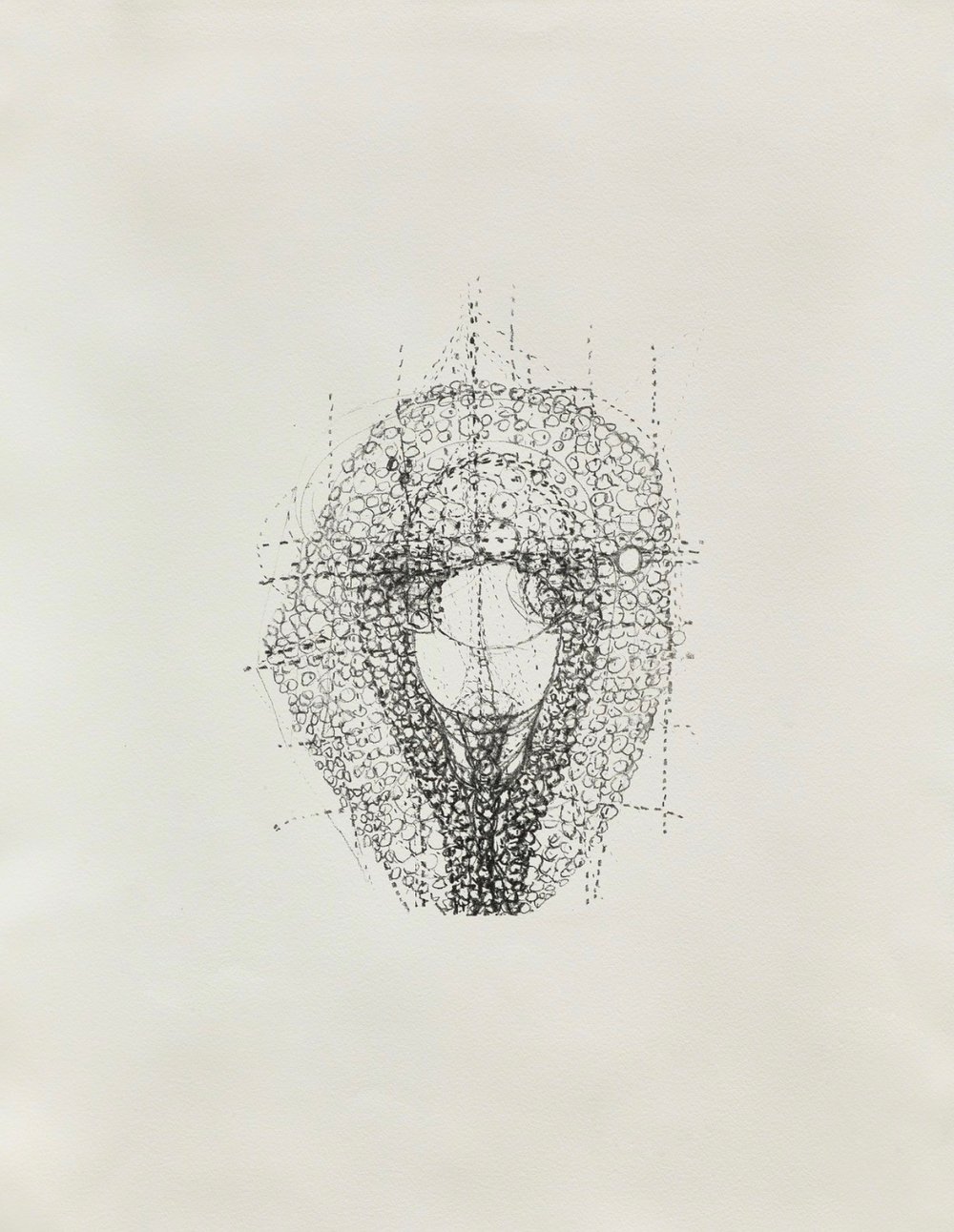
// This untitled lithograph by Marisa Merz, created in 2018, is a delicate and intricate exploration of form, embodying the artist’s introspective and ethereal style. The composition consists of an assemblage of finely drawn, interconnected circles and lines, which together create a vaguely organic, almost face-like form. Merz's work often blurs boundaries between abstraction and figuration, evoking a sense of spirituality and mystery. With an edition of 50 plus 10 artist’s proofs (AP), this piece reflects Merz’s sensitivity to line and texture, drawing viewers into a meditative experience as they contemplate the balance and subtlety within her composition.
Artwork Copyright © Marisa MerzMarisa Merz (Italy, 1926–2019) was a leading figure of the Arte Povera movement, celebrated for her poetic and experimental works. She combined unconventional materials like aluminum and copper wire with personal and spiritual themes, blurring boundaries between art and life. Merz was the only woman formally associated with Arte Povera, leaving a lasting legacy.
Artwork Copyright © Marisa MerzUntitled, 2018
Form
Medium
Size
- Inches
- Centimeters
Edition
Price
Available works →
- Authenticity Guaranteed
- Insured Shipping
- Online Since 2005
●
●Inventory 6922
●Signed
●Comes with gallery invoice and certificate
●Sell Us a Similar Artwork. Learn more.
// This untitled lithograph by Marisa Merz, created in 2018, is a delicate and intricate exploration of form, embodying the artist’s introspective and ethereal style. The composition consists of an assemblage of finely drawn, interconnected circles and lines, which together create a vaguely organic, almost face-like form. Merz's work often blurs boundaries between abstraction and figuration, evoking a sense of spirituality and mystery. With an edition of 50 plus 10 artist’s proofs (AP), this piece reflects Merz’s sensitivity to line and texture, drawing viewers into a meditative experience as they contemplate the balance and subtlety within her composition.
Artwork Copyright © Marisa MerzMarisa Merz (Italy, 1926–2019) was a leading figure of the Arte Povera movement, celebrated for her poetic and experimental works. She combined unconventional materials like aluminum and copper wire with personal and spiritual themes, blurring boundaries between art and life. Merz was the only woman formally associated with Arte Povera, leaving a lasting legacy.
Artwork Copyright © Marisa Merz- Recently Added
- Price (Low-High)
- Price (High-Low)
- Year (Low-High)
- Year (High-Low)

Marisa Merz
Untitled, 2018
Limited Edition Print
Lithograph
Currently Not Available
Related Artists
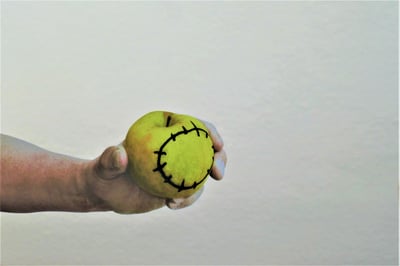
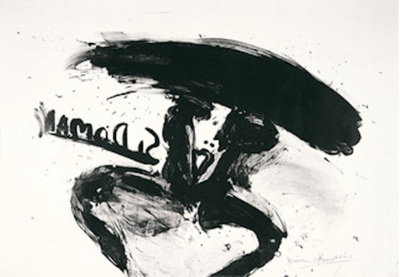
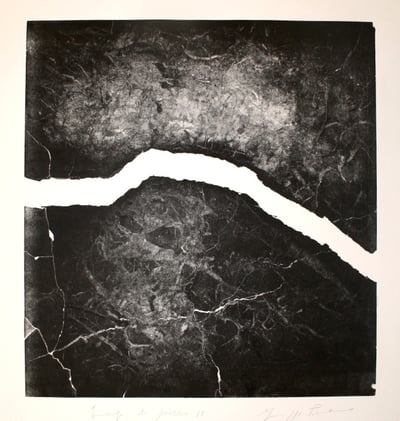
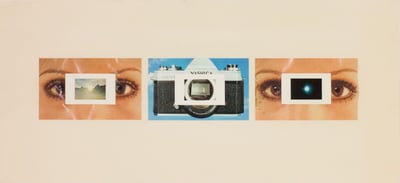
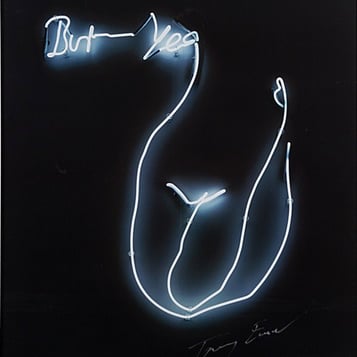
Artwork by Tracey Emin
What is feminist art?
Feminist art refers to the art that emerged from the feminist art movement during the 1960s and 1970s. It developed with the intention of critiquing 20th-century gender ideals and challenging the traditional canon of art history. Feminist art seeks to create a dialogue between the artwork and the viewer through a feminist lens, often addressing issues of gender, identity, and social justic
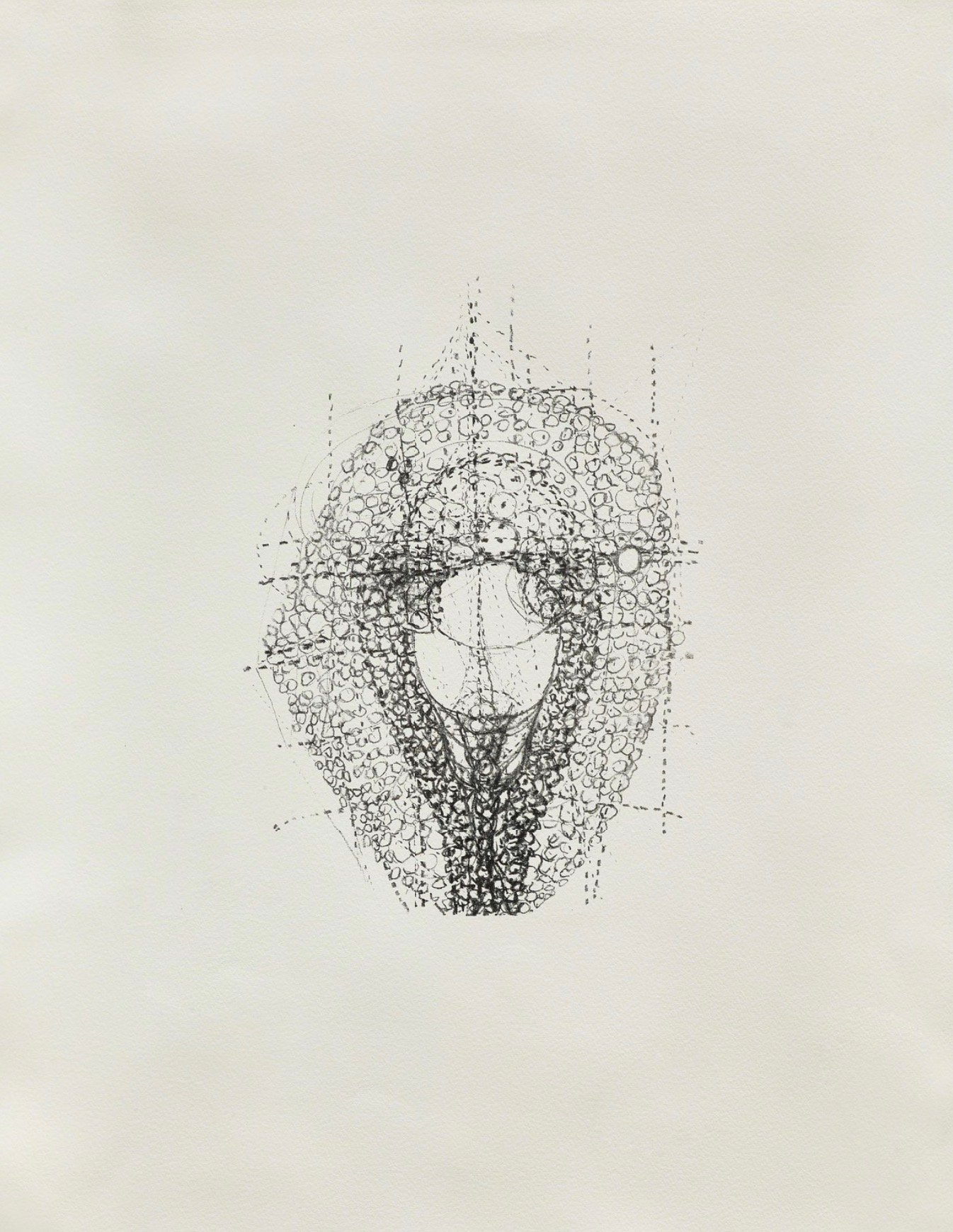
Marisa Merz
Untitled, 2018
70 x 50 cm


