

Edition of 12 unique painted plaster-casts with individual worked over
“snake’s heads” - cast: ca. 32 x 30 x 7 cm - box: ca. 40 x 36 x 10 cm
Inside is a loose 2-colour-print (signed, numbered, titled) as a certificate
the snakestone-item is monogr., titled, numbered in white on the backside
the box has on it's lid a label after the artist's sketch. The Snakestone is wrapped in a woven cotton blanket.
Artwork Copyright © Mark DionMark Dion (USA, 1961) is a conceptual artist renowned for his installations that mimic scientific presentations, challenging perceptions of history and nature. His works often critique how institutions shape our understanding of the natural world, blending art and science to question objectivity. Dion's notable projects include Neukom Vivarium and The Library for the Birds of New York.
Artwork Copyright © Mark DionSnakestone, 2013
Form
Medium
Size
- Inches
- Centimeters
Edition
Price
Available works →
- Authenticity Guaranteed
- Insured Shipping
- Online Since 2005
●
●Inventory 3181
●Signed
●Comes with gallery invoice and certificate
●Sell Us a Similar Artwork. Learn more.
Edition of 12 unique painted plaster-casts with individual worked over
“snake’s heads” - cast: ca. 32 x 30 x 7 cm - box: ca. 40 x 36 x 10 cm
Inside is a loose 2-colour-print (signed, numbered, titled) as a certificate
the snakestone-item is monogr., titled, numbered in white on the backside
the box has on it's lid a label after the artist's sketch. The Snakestone is wrapped in a woven cotton blanket.
Artwork Copyright © Mark DionMark Dion (USA, 1961) is a conceptual artist renowned for his installations that mimic scientific presentations, challenging perceptions of history and nature. His works often critique how institutions shape our understanding of the natural world, blending art and science to question objectivity. Dion's notable projects include Neukom Vivarium and The Library for the Birds of New York.
Artwork Copyright © Mark Dion- Recently Added
- Price (Low-High)
- Price (High-Low)
- Year (Low-High)
- Year (High-Low)
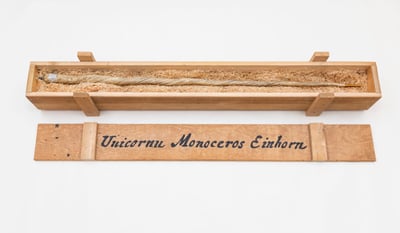
Mark Dion
My Most Priceless Treasure (unicorn), 2004
Sculpture / Object
Mixed Media
EUR 8,400
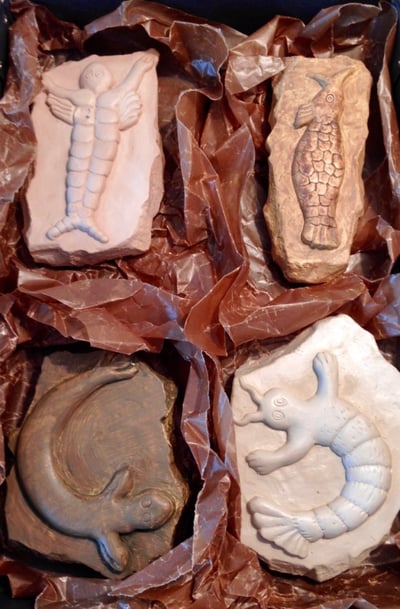
Mark Dion
Emanations of the Earth, 2017
Sculpture / Object
Plaster
Currently Not Available
Available works by Mark Dion
See all →Mark Dion
My Most Priceless Treasure (unicorn), 2004
Sculpture / Object
Mixed Media
EUR 8,400
Related Artists
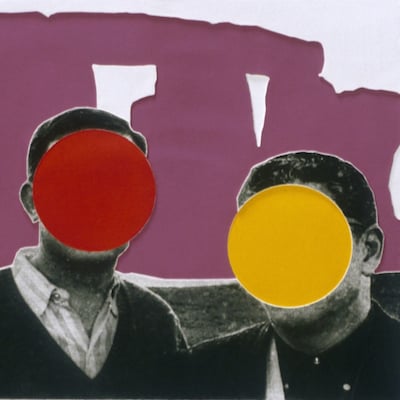
Artwork by John Baldessari
What is conceptual art?
Sometimes referred to as Conceptualism, this is an art form where the idea(s) or concept(s) behind the work take precedence over material concerns and traditional aesthetics. Many conceptual artworks can be created by anyone simply by following written instructions. The concept or idea is the most essential aspect of the artwork.


