

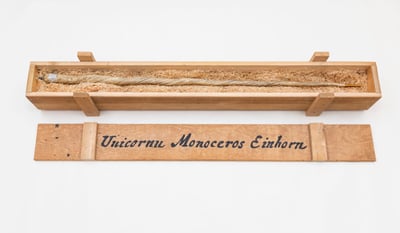
Unicorn (narwhale tooth replica), gold paint, paper, ink.
- The "unicorn" is made of cast resin, hand-painted.
- Sculpture size: 170 cm - Wooden crate size: 180 x 25 x 25 cm
- Quote on the label: 'My most priceless treasure is the unicorn horn which doth
sweat in the presence of poison and when touched to any venomous material doth
have the power of transmuting them'. NICCOLO NICCOLI DE UZZANO. signed, dated.
Mark Dion’s My Most Priceless Treasure (unicorn) from 2004 explores themes of mythology, science, and curiosity. This mixed-media sculpture features a replica of a narwhal tooth, symbolizing the fabled unicorn horn. Set in a wooden crate with a nostalgic label, it evokes Renaissance curiosity cabinets, where such artifacts were cherished for their supposed magical properties. The quote by Niccolò Niccoli de Uzzano reinforces the allure and mystique surrounding unicorn horns, once believed to detect and neutralize poison. Dion’s work critiques and celebrates the history of natural history, blending fact with legend.
Artwork Copyright © Mark DionMark Dion (USA, 1961) is a conceptual artist renowned for his installations that mimic scientific presentations, challenging perceptions of history and nature. His works often critique how institutions shape our understanding of the natural world, blending art and science to question objectivity. Dion's notable projects include Neukom Vivarium and The Library for the Birds of New York.
Artwork Copyright © Mark DionMy Most Priceless Treasure (unicorn), 2004
Form
Medium
Size
- Inches
- Centimeters
Edition
Price
- USD
- EUR
- GBP
- CHF
- Authenticity Guaranteed
- Insured Shipping
- Online Since 2005
●Inventory 15208
●Signed
●Comes with gallery invoice and certificate
●Sell Us a Similar Artwork. Learn more.
Unicorn (narwhale tooth replica), gold paint, paper, ink.
- The "unicorn" is made of cast resin, hand-painted.
- Sculpture size: 170 cm - Wooden crate size: 180 x 25 x 25 cm
- Quote on the label: 'My most priceless treasure is the unicorn horn which doth
sweat in the presence of poison and when touched to any venomous material doth
have the power of transmuting them'. NICCOLO NICCOLI DE UZZANO. signed, dated.
Mark Dion’s My Most Priceless Treasure (unicorn) from 2004 explores themes of mythology, science, and curiosity. This mixed-media sculpture features a replica of a narwhal tooth, symbolizing the fabled unicorn horn. Set in a wooden crate with a nostalgic label, it evokes Renaissance curiosity cabinets, where such artifacts were cherished for their supposed magical properties. The quote by Niccolò Niccoli de Uzzano reinforces the allure and mystique surrounding unicorn horns, once believed to detect and neutralize poison. Dion’s work critiques and celebrates the history of natural history, blending fact with legend.
Artwork Copyright © Mark DionMark Dion (USA, 1961) is a conceptual artist renowned for his installations that mimic scientific presentations, challenging perceptions of history and nature. His works often critique how institutions shape our understanding of the natural world, blending art and science to question objectivity. Dion's notable projects include Neukom Vivarium and The Library for the Birds of New York.
Artwork Copyright © Mark Dion- Recently Added
- Price (Low-High)
- Price (High-Low)
- Year (Low-High)
- Year (High-Low)
Mark Dion
My Most Priceless Treasure (unicorn), 2004
Sculpture / Object
Mixed Media
EUR 8,400
Mark Dion
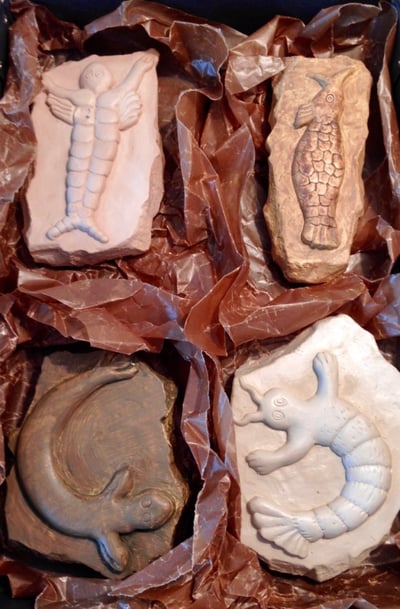
Emanations of the Earth, 2017
Sculpture / Object
Plaster
Currently Not Available
Related Artists
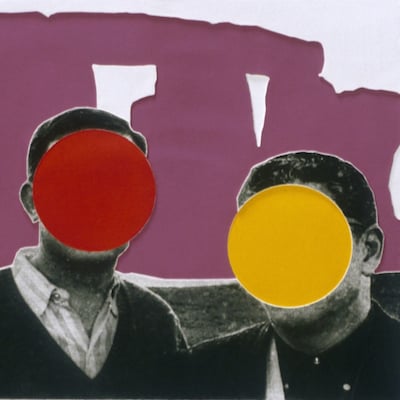
Artwork by John Baldessari
What is conceptual art?
Sometimes referred to as Conceptualism, this is an art form where the idea(s) or concept(s) behind the work take precedence over material concerns and traditional aesthetics. Many conceptual artworks can be created by anyone simply by following written instructions. The concept or idea is the most essential aspect of the artwork.



