

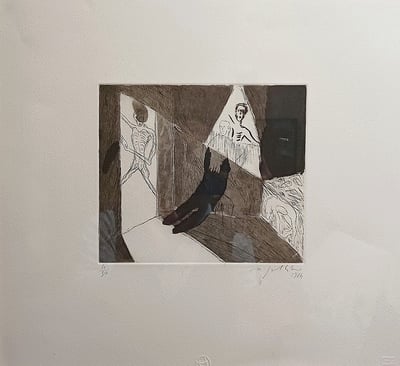
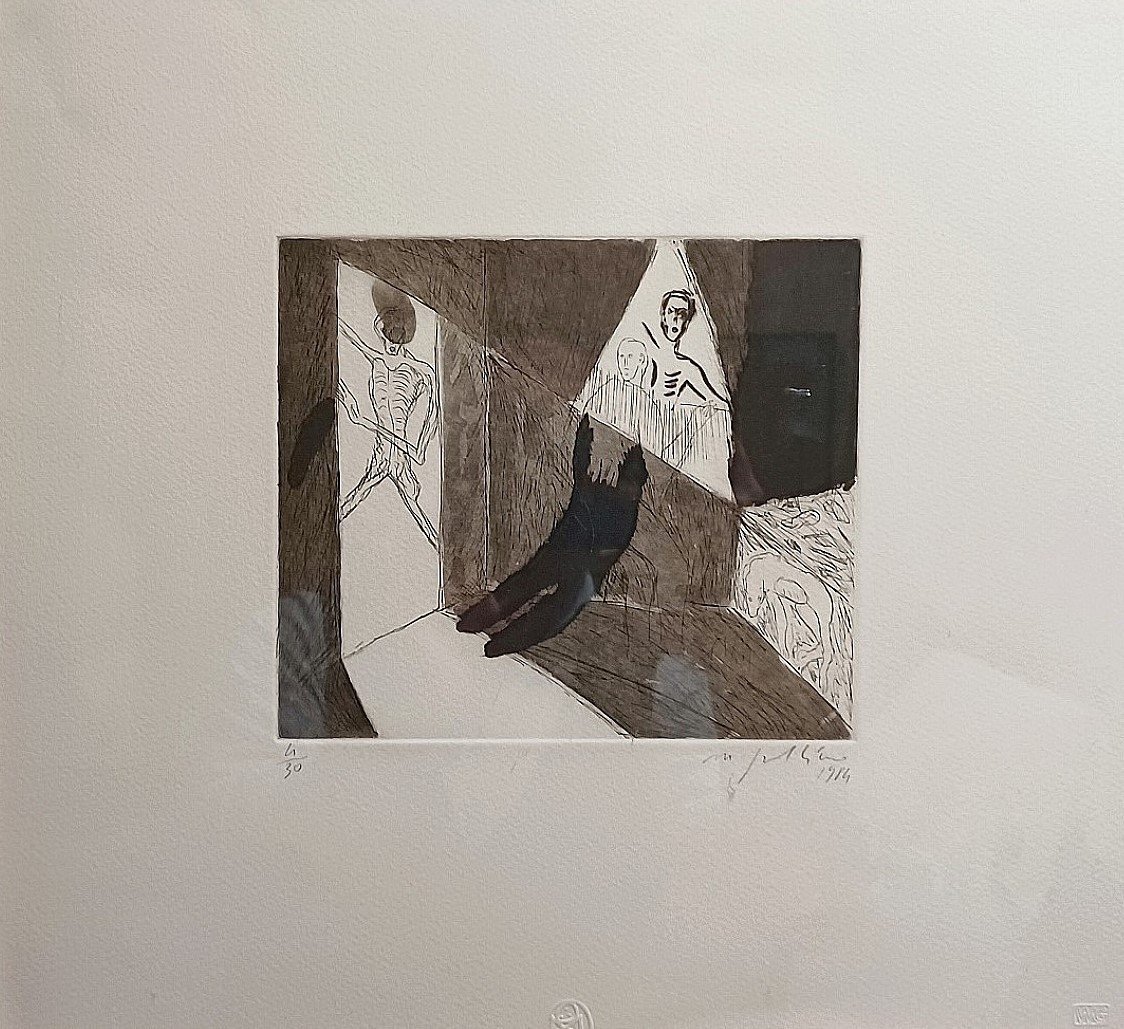
Necropolis, 1984
Form
Medium
Size
- Inches
- Centimeters
Edition
Price
- USD
- EUR
- GBP
- CHF
- Authenticity Guaranteed
- Insured Shipping
- Online Since 2005

Mimmo Paladino
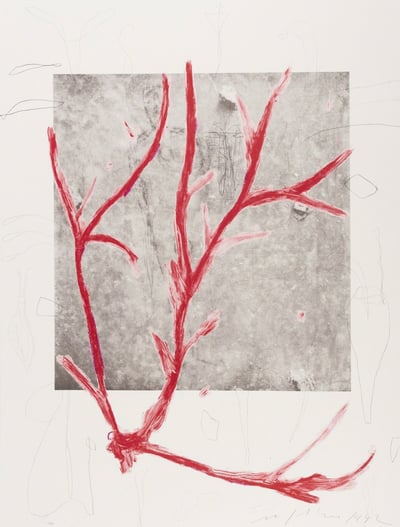
Senza titolo, 1999
Drawing / Watercolor
Collage
EUR 12,000
Mimmo Paladino
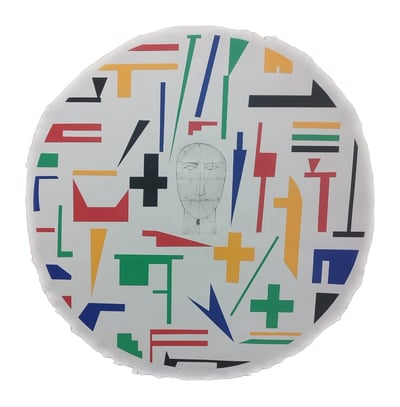
Untitled (Columbus: In Search of a New Tomorrow), 1992
Limited Edition Print
Screen-print
USD 800
Mimmo Paladino
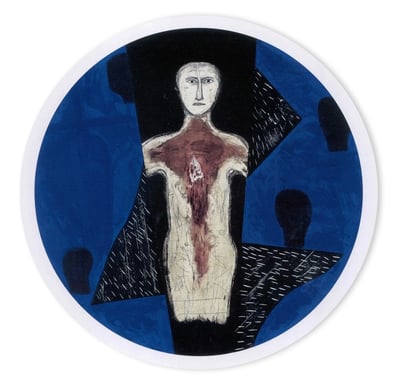
Scudo 3, 1999
Limited Edition Print
Mixed Media
EUR 2,530
Mimmo Paladino
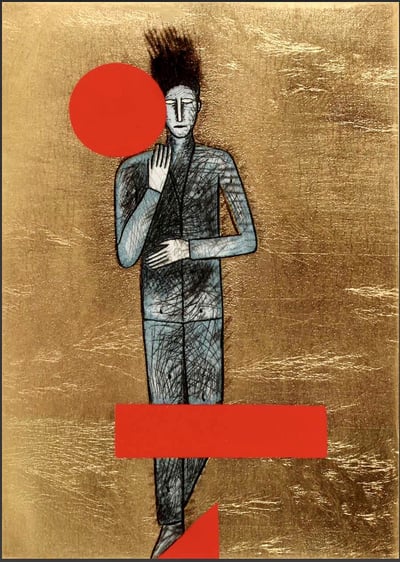
Oceania, 1996
Limited Edition Print
Mixed Media
EUR 2,530
Mimmo Paladino
Sans Titre, 2001
Limited Edition Print
Mixed Media
EUR 1,250
Mimmo Paladino
Necropolis, 1984
Limited Edition Print
Etching
EUR 1,250
Mimmo Paladino
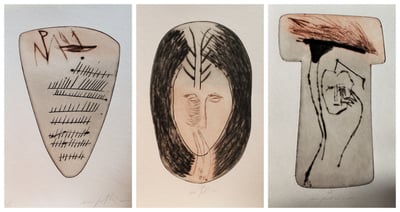
Hundert tage für salzburg, 1984
Limited Edition Print
Etching and Aquatint
EUR 1,250
Mimmo Paladino
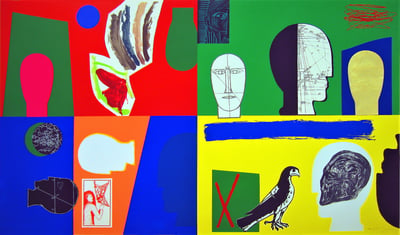
Stupor Mundi, 2011
Limited Edition Print
Etching and Aquatint
EUR 4,200
Mimmo Paladino
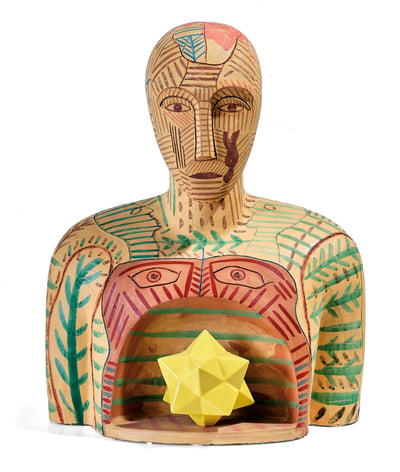
Senza titolo, 2003
Sculpture / Object
Ceramic
EUR 8,300
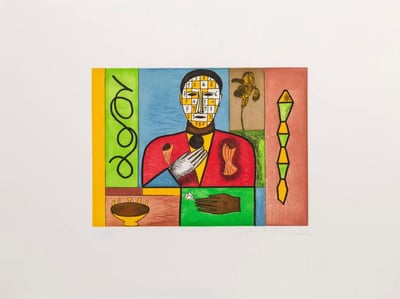
Mimmo Paladino
Mathematico 2, 2001
Limited Edition Print
Etching and Aquatint
EUR 1,500
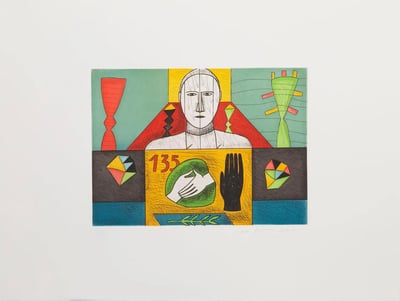
Mimmo Paladino
Mathematico 3, 2001
Limited Edition Print
Etching and Aquatint
EUR 1,500
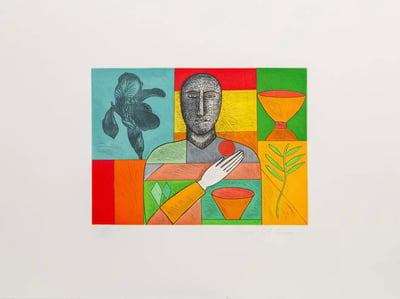
Mimmo Paladino
Mathematico 4, 2001
Limited Edition Print
Etching and Aquatint
EUR 1,500
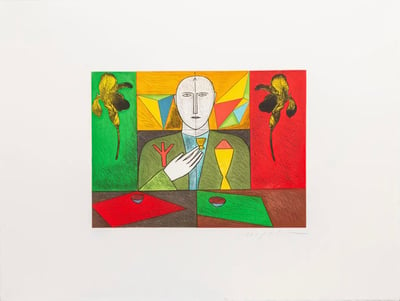
Mimmo Paladino
Mathematico 5, 2001
Limited Edition Print
Etching and Aquatint
EUR 1,500
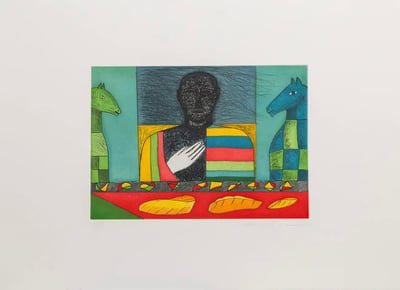
Mimmo Paladino
Mathematico 6, 2001
Limited Edition Print
Etching and Aquatint
EUR 1,500
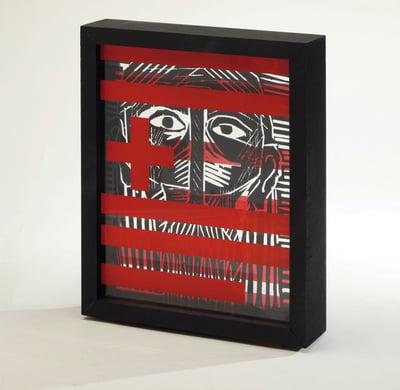
Mimmo Paladino
Nord Sud Mari dell'Est Mari dell'Ovest, 2010
Sculpture / Object
Mixed Media
EUR 3,500
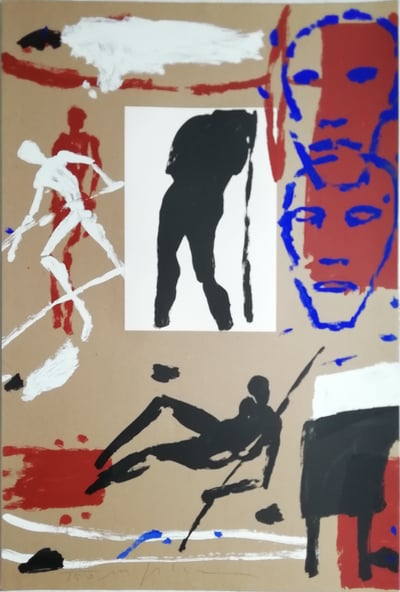
Mimmo Paladino
Untitled (olympic-suite), 1981
Limited Edition Print
Serigraph
EUR 2,150
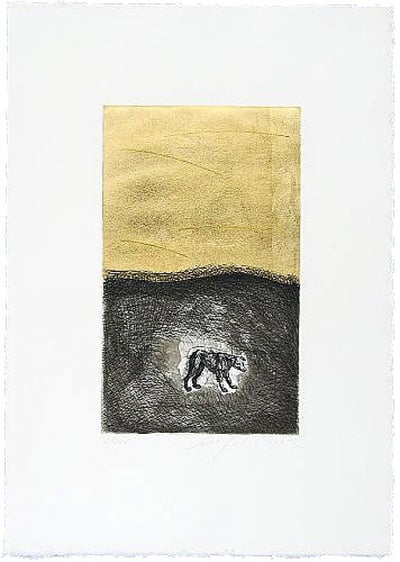
Mimmo Paladino
Dog, 2002
Limited Edition Print
Aquatint
Currently Not Available
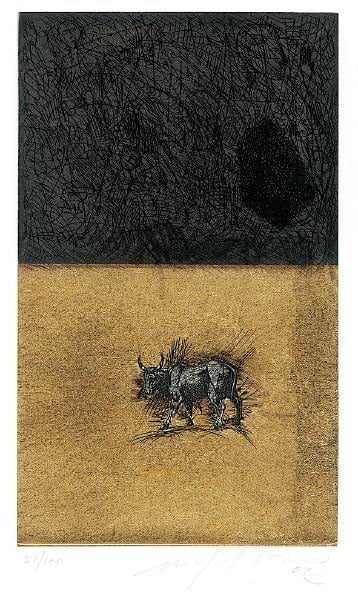
Mimmo Paladino
Bull
Limited Edition Print
Aquatint
Currently Not Available
Related Artists
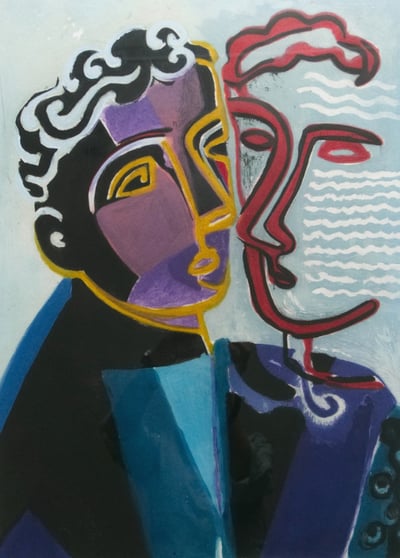
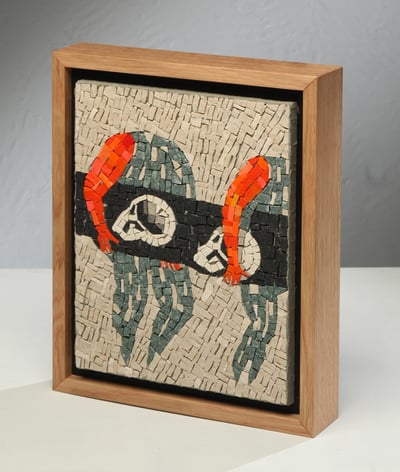
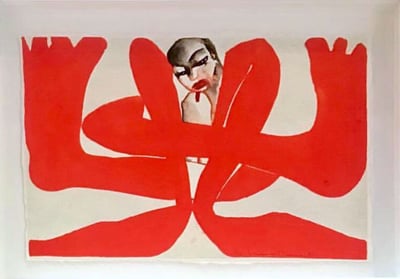
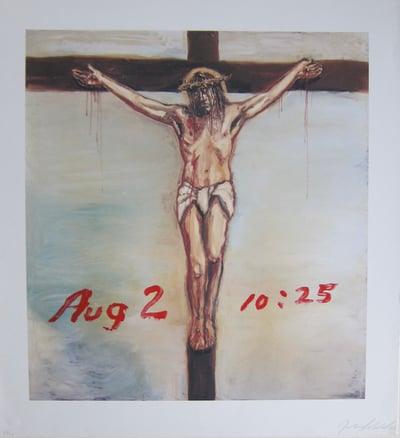

What is figurative art?
Sometimes known as Figurativism, figurative art refers to sculptures and paintings that are clearly or specifically derived from real objects, making them representational. The term figurative art is often used in contrast to abstract art. However, since the emergence of abstract art, figurative art has come to describe any form of modern art that has strong references to the real world or actual situations.
Mimmo Paladino
Necropolis, 1984
17.1 x 19.7 cm


