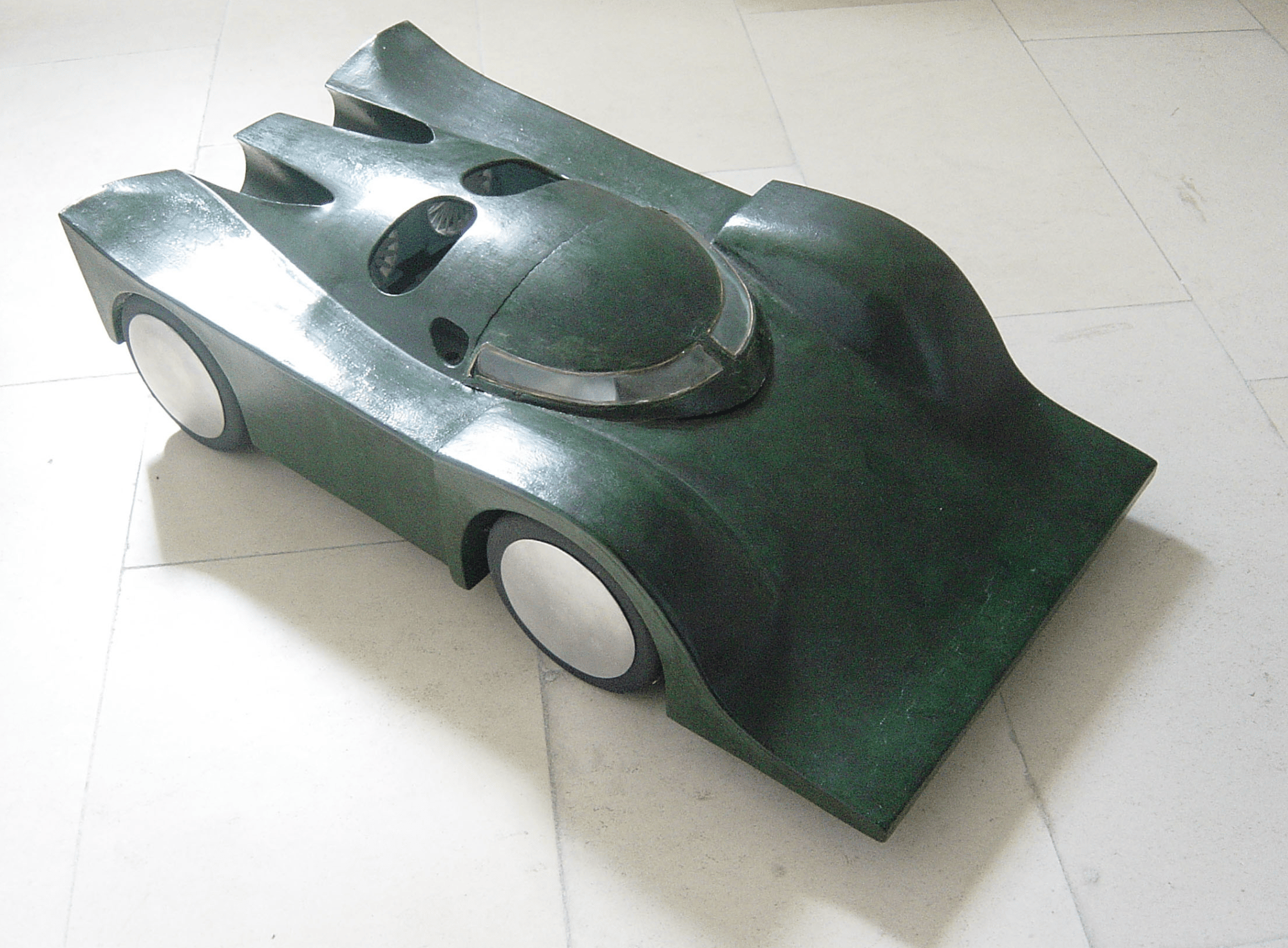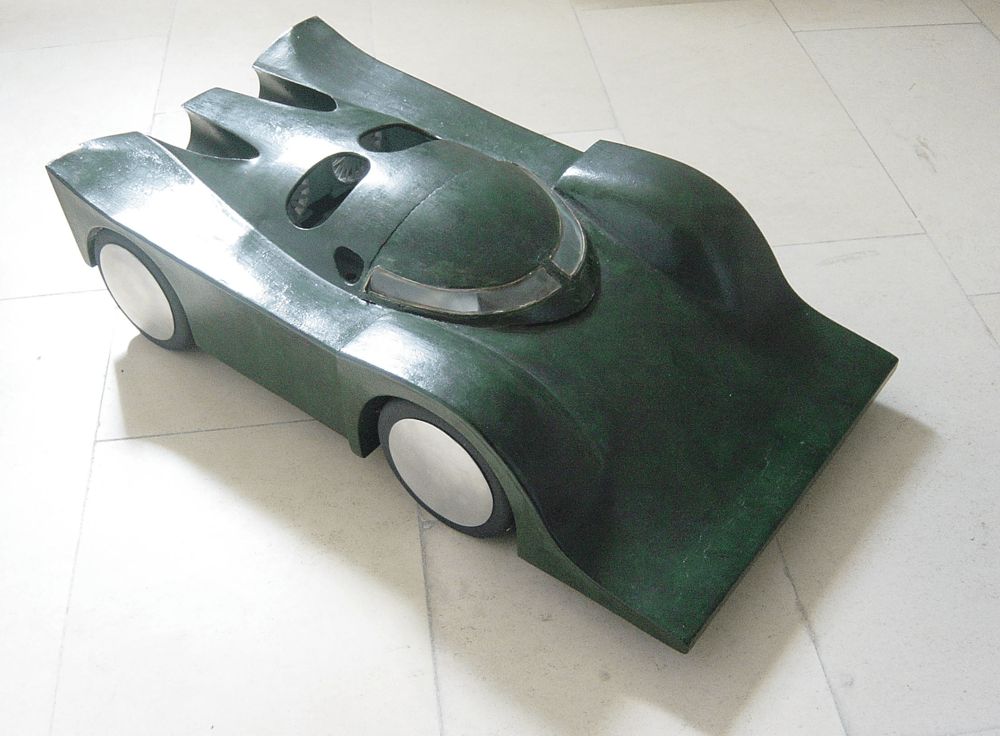
Iron, polyurethane, cellophane, aluminium (green).
Polistes (1990) by Panamarenko is a compact sculptural object made from iron, polyurethane, cellophane, and aluminum, measuring 13 x 50.3 x 26 cm. This green, streamlined form resembles a futuristic, miniature concept vehicle with aerodynamic curves and minimalist detailing. The name “Polistes,” referring to a genus of wasps, suggests associations with flight, agility, and bio-engineering. The work reflects Panamarenko’s ongoing fascination with the intersection of technology and nature, imagination and engineering. With its organic yet mechanical aesthetic, this piece blurs the boundary between model and machine, aligning with the artist’s broader vision of speculative invention and movement.
Artwork Copyright © PanamarenkoPanamarenko (Belgium, 1940–2019) was a visionary artist and inventor celebrated for his fantastical flying machines, submarines, and vehicles. Blending art, science, and engineering, his works reflected a playful yet profound exploration of human ambition and technological possibilities. Iconic creations like Aeromodeller embody his imaginative approach to art and innovation.
Artwork Copyright © PanamarenkoPolistes, 1990
Form
Medium
Size
- Inches
- Centimeters
Edition
Price
- Authenticity Guaranteed
- Insured Shipping
- Online Since 2005
●Inventory 15758
●Signed
●Comes with gallery invoice and certificate
●Sell Us a Similar Artwork. Learn more.
Iron, polyurethane, cellophane, aluminium (green).
Polistes (1990) by Panamarenko is a compact sculptural object made from iron, polyurethane, cellophane, and aluminum, measuring 13 x 50.3 x 26 cm. This green, streamlined form resembles a futuristic, miniature concept vehicle with aerodynamic curves and minimalist detailing. The name “Polistes,” referring to a genus of wasps, suggests associations with flight, agility, and bio-engineering. The work reflects Panamarenko’s ongoing fascination with the intersection of technology and nature, imagination and engineering. With its organic yet mechanical aesthetic, this piece blurs the boundary between model and machine, aligning with the artist’s broader vision of speculative invention and movement.
Artwork Copyright © PanamarenkoPanamarenko (Belgium, 1940–2019) was a visionary artist and inventor celebrated for his fantastical flying machines, submarines, and vehicles. Blending art, science, and engineering, his works reflected a playful yet profound exploration of human ambition and technological possibilities. Iconic creations like Aeromodeller embody his imaginative approach to art and innovation.
Artwork Copyright © PanamarenkoAvailability
Size
Form
Medium
SORT BY

Panamarenko
Portable Air Transport, 1969
Limited Edition Print
Offset Print
EUR 3,300
Panamarenko
Polistes, 1990
Sculpture / Object
Mixed Media
Inquire For Price
Panamarenko
Scotch Gambit at Rijnkaai, Antwerpen, 2001
Limited Edition Print
Monoprint
Inquire For Price

Panamarenko
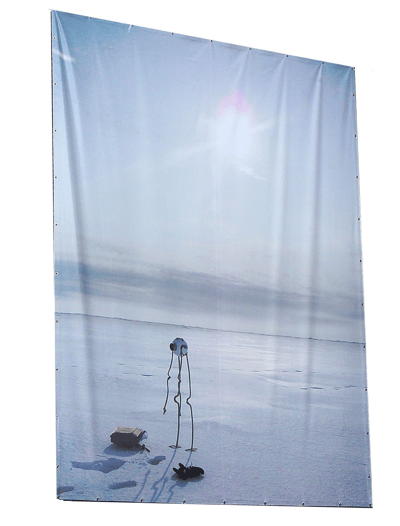
Noordpool-Arlikoop, 2004
Limited Edition Print
Inkjet print
EUR 9,500
Panamarenko
Noordpool-Arlikoop, 2004
Limited Edition Print
Inkjet print
EUR 12,500

Panamarenko
Milky Ways & Happenings - original plate
Limited Edition Print
Metal
Make Your Offer
Related Artists
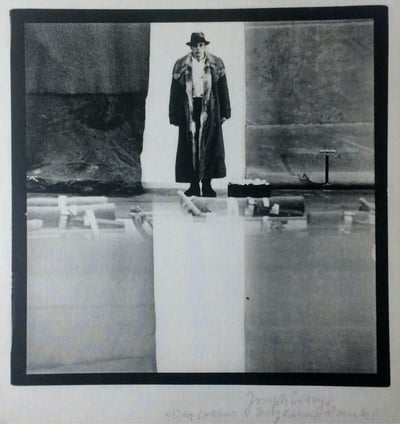
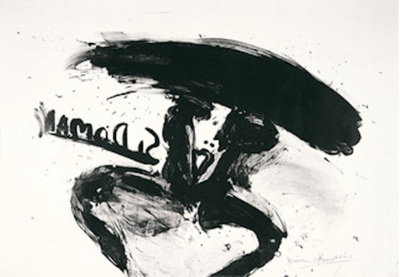
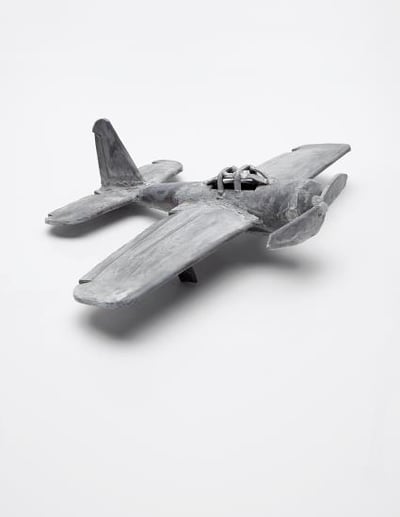

Artwork © Allan Kaprow’s “Happenings”
What is Happening?
A Happening is a term used to describe artistic and theatrical events held by artists in the 1950s and 60s. These events were typically staged in gallery installations or planned environments and often involved audience participation, along with elements like lighting, sounds, and slide projections. Happenings were a precursor to performance art, which later included the active participation of the artists themselves.