

Genzano, 1996
Form
Medium
Size
- Inches
- Centimeters
Edition
Price
- Authenticity Guaranteed
- Insured Shipping
- Online Since 2005
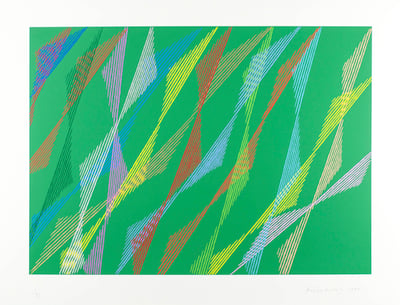
Piero Dorazio
La Ribambelle Des Gobelins II, 1992
Limited Edition Print
Silkscreen
EUR 1,750
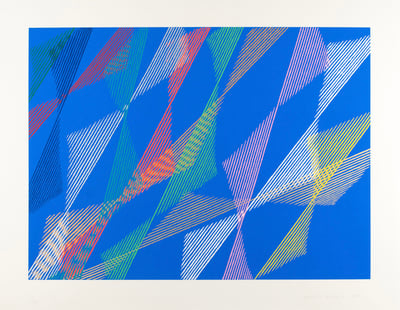
Piero Dorazio
La Ribambelle Des Gobelins I, 1992
Limited Edition Print
Silkscreen
EUR 1,750
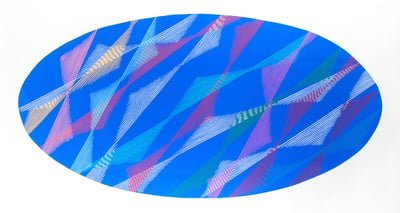
Piero Dorazio
Ellisse blu, 1989
Limited Edition Print
Silkscreen
EUR 2,400
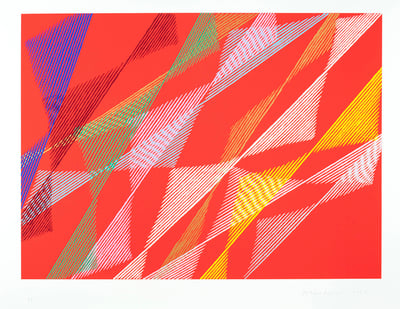
Piero Dorazio
La Ribambelle Des Gobelins IV, 1992
Limited Edition Print
Silkscreen
EUR 1,750
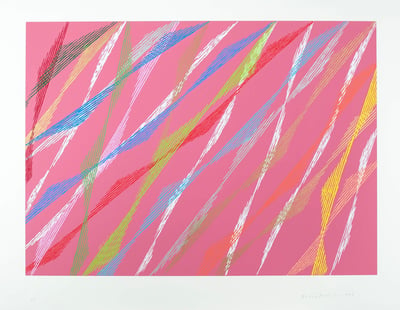
Piero Dorazio
La Ribambelle Des Gobelins V, 1992
Limited Edition Print
Silkscreen
EUR 1,750
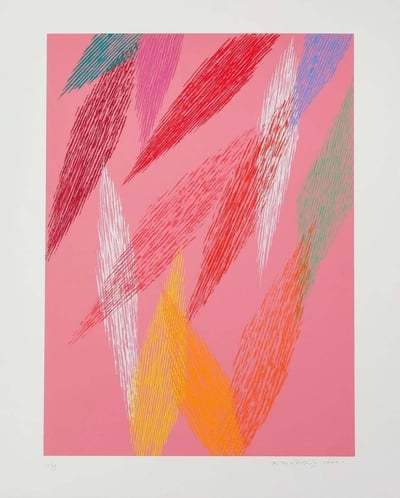
Piero Dorazio
Pink Abstract, 1992
Limited Edition Print
Silkscreen
EUR 1,750
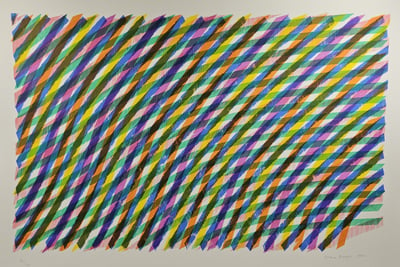
Piero Dorazio
Reticolo. Composizione No 2, 1984
Limited Edition Print
Lithograph
USD 2,000
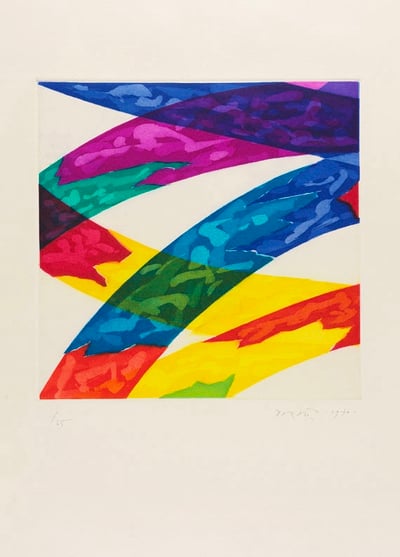
Piero Dorazio
Untitled (Chromatic Ribbons), 1971
Limited Edition Print
Etching
EUR 990

Piero Dorazio
Vortice, 1989
Sculpture / Object
Mosaic
EUR 2,000

Piero Dorazio
Felt Collage, 1974
Limited Edition Print
Collage
EUR 6,875
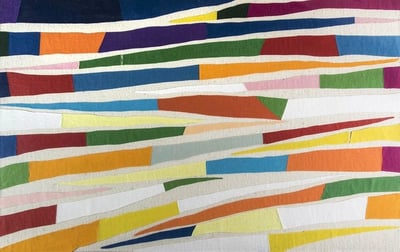
Piero Dorazio
Untitled (Collage), 1974
Limited Edition Print
Collage
EUR 6,875

Piero Dorazio
Blue Lines, 1988
Limited Edition Print
Silkscreen
EUR 4,250

Piero Dorazio
Color fax 4, 1990
Limited Edition Print
Aquatint
EUR 2,250

Piero Dorazio
Color fax 3, 1990
Limited Edition Print
Aquatint
EUR 2,250

Piero Dorazio
Color fax 2, 1990
Limited Edition Print
Aquatint
EUR 2,250

Piero Dorazio
Color fax 1, 1990
Limited Edition Print
Aquatint
EUR 2,250

Piero Dorazio
Red Squares, 1967
Limited Edition Print
Lithograph
EUR 1,375

Piero Dorazio
Untitled Composition, 1967
Limited Edition Print
Lithograph
EUR 1,375
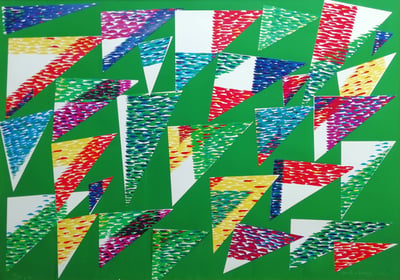
Piero Dorazio
Collage di Triangoli, 1991
Limited Edition Print
Collage
EUR 2,370
Available works by Piero Dorazio
See all →Piero Dorazio
La Ribambelle Des Gobelins II, 1992
Limited Edition Print
Silkscreen
EUR 1,750
Piero Dorazio
La Ribambelle Des Gobelins I, 1992
Limited Edition Print
Silkscreen
EUR 1,750
Piero Dorazio
Ellisse blu, 1989
Limited Edition Print
Silkscreen
EUR 2,400
Piero Dorazio
La Ribambelle Des Gobelins IV, 1992
Limited Edition Print
Silkscreen
EUR 1,750
Piero Dorazio
La Ribambelle Des Gobelins V, 1992
Limited Edition Print
Silkscreen
EUR 1,750
Piero Dorazio
Pink Abstract, 1992
Limited Edition Print
Silkscreen
EUR 1,750
Related Artists


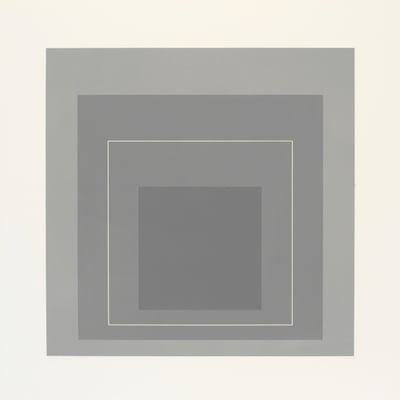
What is concrete art?
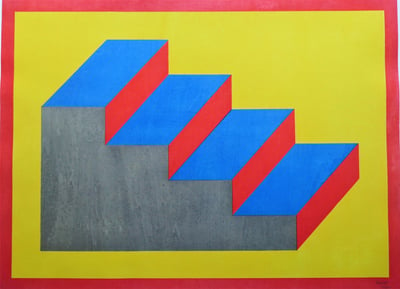
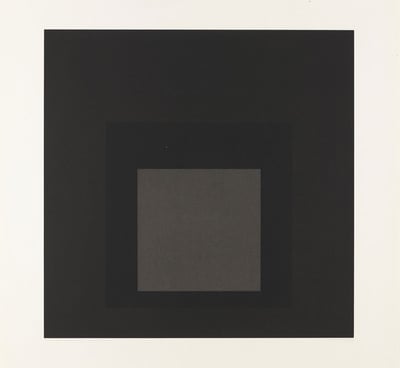
Concrete Art is an art movement founded by the Dutch artist Theo van Doesburg in the 1930s. The movement emphasizes pure abstraction, focusing on geometric shapes and colors without any reference to the natural world or symbolic meaning. Unlike other forms of abstract art, Concrete Art is entirely non-representational and is based on mathematical principles and precise execution. It aims to create universal, timeless works by using simple, clear forms that emphasize objectivity and clarity.


