


Untitled (Collage), 1974
Form
Medium
Size
- Inches
- Centimeters
Edition
Price
- USD
- EUR
- GBP
- CHF
- Authenticity Guaranteed
- Insured Shipping
- Online Since 2005
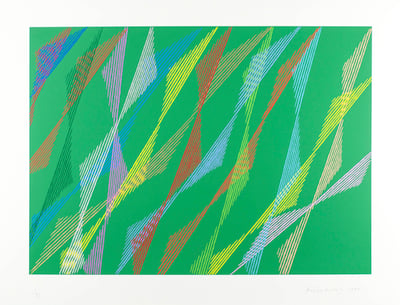
Piero Dorazio
La Ribambelle Des Gobelins II, 1992
Limited Edition Print
Silkscreen
EUR 1,750
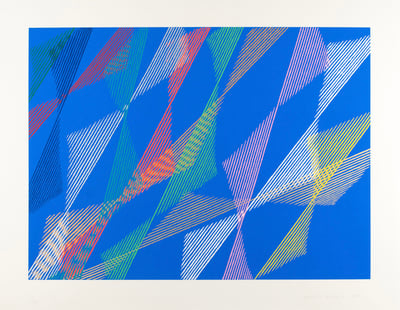
Piero Dorazio
La Ribambelle Des Gobelins I, 1992
Limited Edition Print
Silkscreen
EUR 1,750
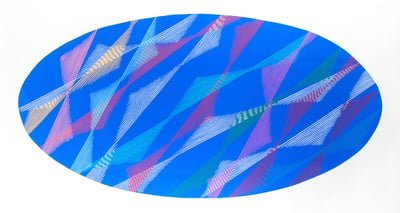
Piero Dorazio
Ellisse blu, 1989
Limited Edition Print
Silkscreen
EUR 2,400
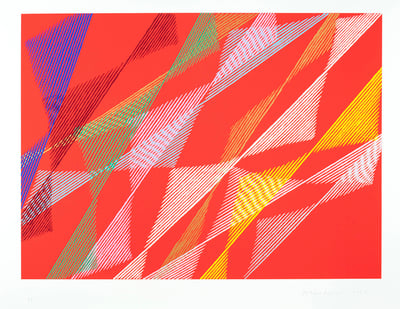
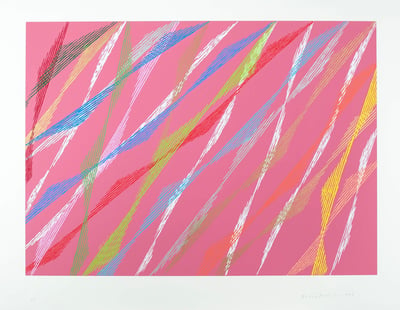
Piero Dorazio
La Ribambelle Des Gobelins IV, 1992
Limited Edition Print
Silkscreen
EUR 1,750
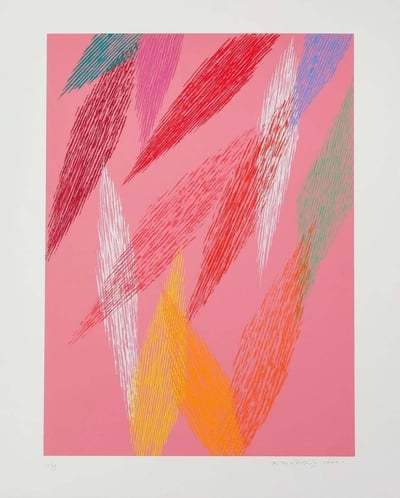
Piero Dorazio
La Ribambelle Des Gobelins V, 1992
Limited Edition Print
Silkscreen
EUR 1,750
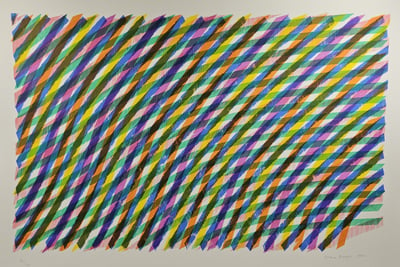
Piero Dorazio
Pink Abstract, 1992
Limited Edition Print
Silkscreen
EUR 1,750
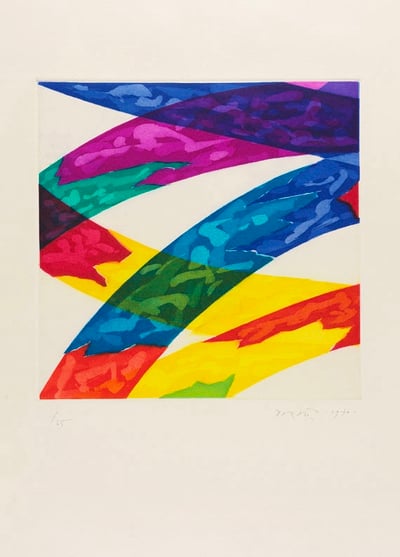
Piero Dorazio
Reticolo. Composizione No 2, 1984
Limited Edition Print
Lithograph
USD 2,000
Piero Dorazio
Untitled (Chromatic Ribbons), 1971
Limited Edition Print
Etching
EUR 990

Piero Dorazio
Vortice, 1989
Sculpture / Object
Mosaic
EUR 2,000

Piero Dorazio
Felt Collage, 1974
Limited Edition Print
Collage
EUR 6,875
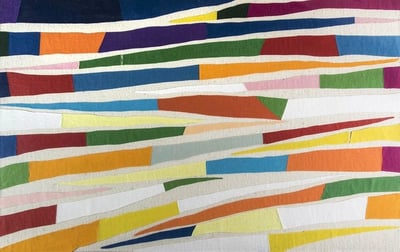
Piero Dorazio
Untitled (Collage), 1974
Limited Edition Print
Collage
EUR 6,875

Piero Dorazio
Blue Lines, 1988
Limited Edition Print
Silkscreen
EUR 4,250

Piero Dorazio
Color fax 4, 1990
Limited Edition Print
Aquatint
EUR 2,250

Piero Dorazio
Color fax 3, 1990
Limited Edition Print
Aquatint
EUR 2,250

Piero Dorazio
Color fax 2, 1990
Limited Edition Print
Aquatint
EUR 2,250

Piero Dorazio
Color fax 1, 1990
Limited Edition Print
Aquatint
EUR 2,250

Piero Dorazio
Red Squares, 1967
Limited Edition Print
Lithograph
EUR 1,375

Piero Dorazio
Untitled Composition, 1967
Limited Edition Print
Lithograph
EUR 1,375
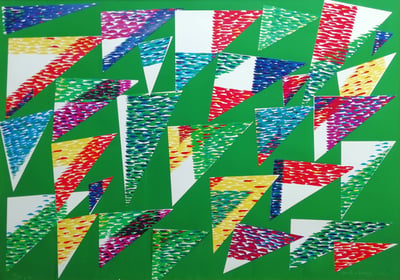
Piero Dorazio
Collage di Triangoli, 1991
Limited Edition Print
Collage
EUR 2,370
Related Artists



What is constructivism?
Constructivism is an architectural and artistic philosophy of Russian origin that emerged as a rejection of the idea of autonomous art. The movement advocated for art to serve practical social purposes. Since its inception in 1919, Constructivism has evolved and significantly impacted 20th-century art movements, influencing major trends such as De Stijl and Bauhaus.

Piero Dorazio
Untitled (Collage), 1974
74 x 116 cm


