

Very good condition, with original studio stains (chalk and watercolour spots) on the paper.
Magritte's delicate pencil study demonstrates masterful restraint and psychological depth, where subtlety becomes an act of profound observation. The faint lines articulate form with an intimate tenderness that invites sustained contemplation.
Artwork Copyright © Rene MagritteRené Magritte (Belgium, 1898–1967) was a surrealist artist renowned for his thought-provoking images that challenge observers' perceptions of reality. His works often depict ordinary objects in unusual contexts, prompting viewers to question their assumptions. Notable pieces include 'The Treachery of Images' and 'The Son of Man.' Magritte's influence extends into pop art, minimalism, and conceptual art.
Artwork Copyright © Rene MagritteNude Study (Etudes de Nus)
Form
Medium
Size
- Inches
- Centimeters
Edition
Price
- Authenticity Guaranteed
- Insured Shipping
- Online Since 2005
●Inventory 17035
●Signed
●Comes with gallery invoice and certificate
●Sell Us a Similar Artwork. Learn more.
Very good condition, with original studio stains (chalk and watercolour spots) on the paper.
Magritte's delicate pencil study demonstrates masterful restraint and psychological depth, where subtlety becomes an act of profound observation. The faint lines articulate form with an intimate tenderness that invites sustained contemplation.
Artwork Copyright © Rene MagritteRené Magritte (Belgium, 1898–1967) was a surrealist artist renowned for his thought-provoking images that challenge observers' perceptions of reality. His works often depict ordinary objects in unusual contexts, prompting viewers to question their assumptions. Notable pieces include 'The Treachery of Images' and 'The Son of Man.' Magritte's influence extends into pop art, minimalism, and conceptual art.
Artwork Copyright © Rene Magritte- Recently Added
- Price (Low-High)
- Price (High-Low)
- Year (Low-High)
- Year (High-Low)
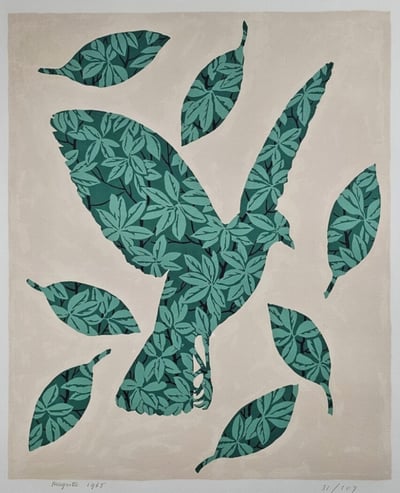
Rene Magritte
Salon de Mai, 1965
Limited Edition Print
Lithograph
EUR 37,000

Rene Magritte
Nude Study (Etudes de Nus)
Drawing / Watercolor
Pencil
GBP 11,500 - 13,500

Rene Magritte
La Valse Hesitation, 1971
Limited Edition Print
Etching and Aquatint
Currently Not Available
Related Artists
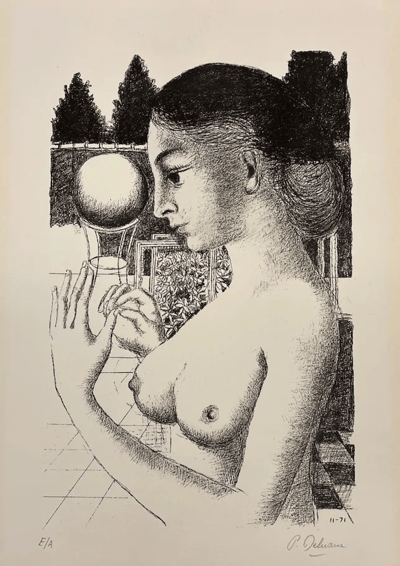

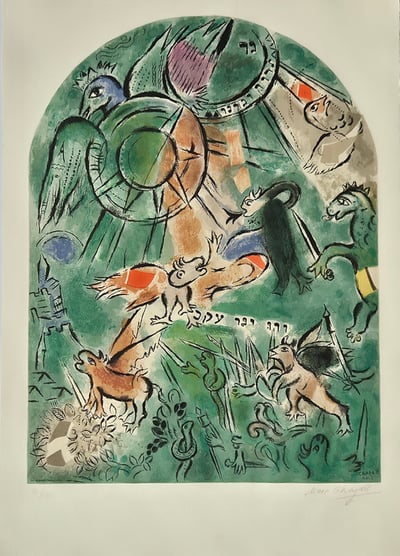
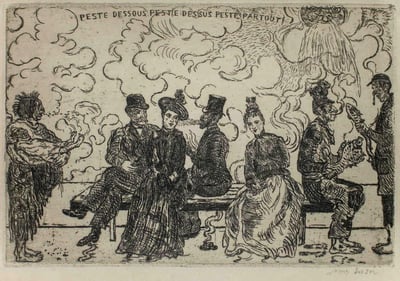
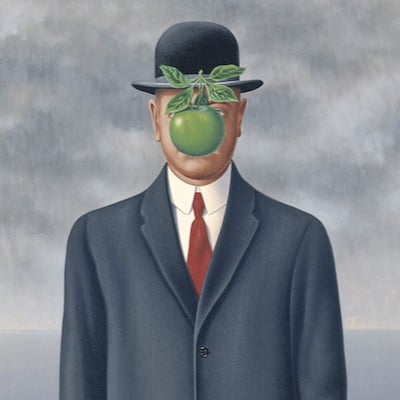
Artwork by Rene Magritte
What is Surrealism?
Surrealism began in the 1920s as an art and literary movement with the goal of revealing the unconscious mind and unleashing the imagination by exploring unusual and dream-like imagery. Influenced by Sigmund Freud’s theories of psychoanalysis, Surrealist artists and writers sought to bring the unconscious into rational life, blurring the lines between reality and dreams. The movement aimed to challenge conventional perceptions and express the irrational aspects of the human experience.

Rene Magritte
Nude Study (Etudes de Nus)
27 x 21.3 cm


