


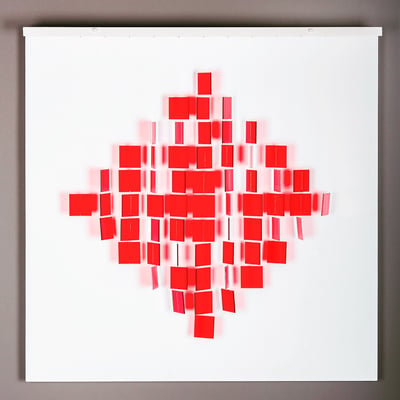
American flag, C. 1980
Form
Medium
Size
- Inches
- Centimeters
Edition
Price
- USD
- EUR
- GBP
- CHF
- Authenticity Guaranteed
- Insured Shipping
- Online Since 2005
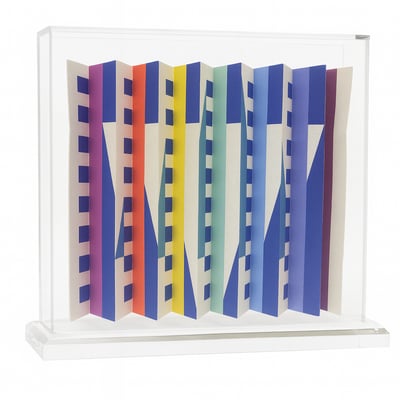
Yaacov Agam
A tribute work from the residents of Israel to the residents of the United States, 1985
Limited Edition Print
Mixed Media
EUR 6,950
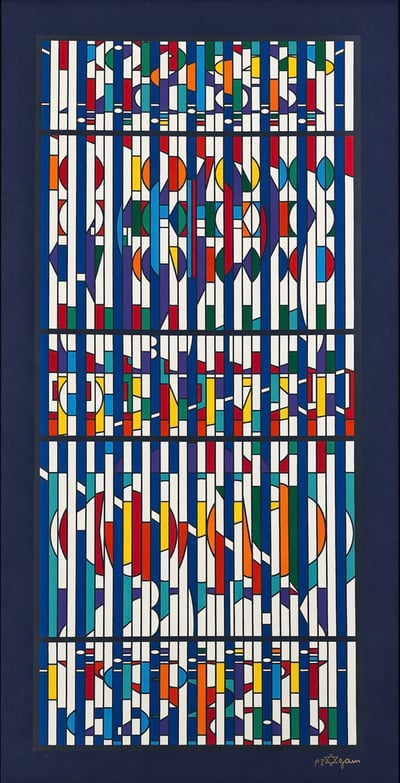
Yaacov Agam
Untitled (Chromatic Vertical Grid)
Limited Edition Print
Silkscreen
EUR 2,190
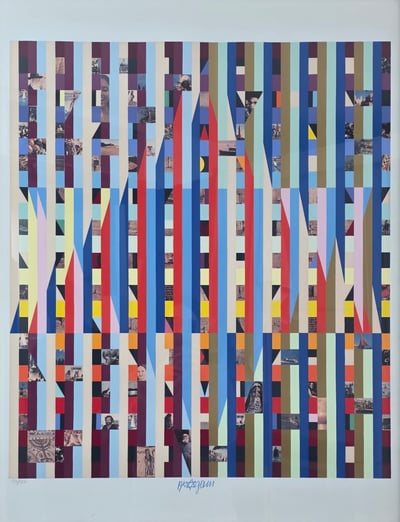
Yaacov Agam
Star of Israel
Limited Edition Print
Silkscreen
EUR 4,000
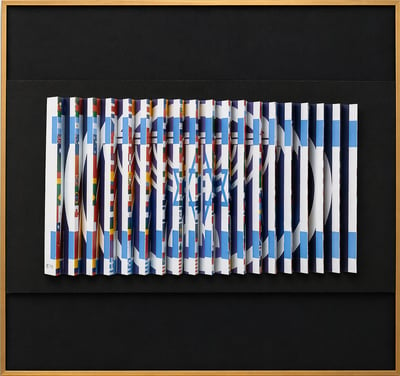
Yaacov Agam
The Star of David at the Heart of the Flags of the Nations
Limited Edition Print
Mixed Media
EUR 15,000
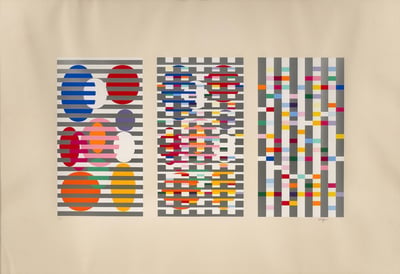
Yaacov Agam
Composition 2
Limited Edition Print
Screen-print
USD 890
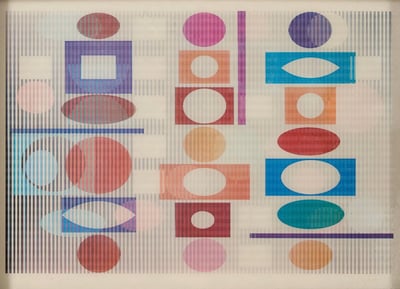
Yaacov Agam
Poly Meta
Limited Edition Print
Mixed Media
Inquire For Price
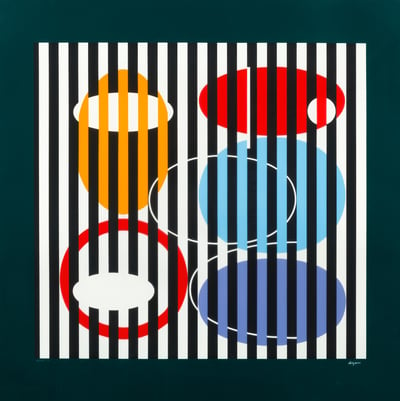
Yaacov Agam
End to end Suite, 1991
Limited Edition Print
Silkscreen
USD 1,025
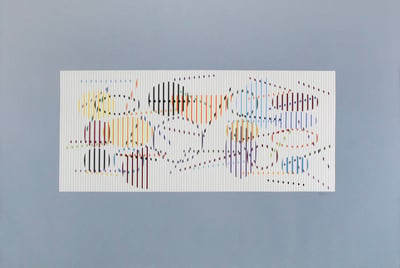
Yaacov Agam
Untitled (Composition), 1976
Limited Edition Print
Serigraph
USD 900
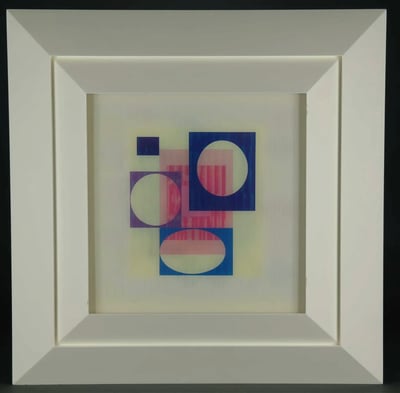
Yaacov Agam
Untitled (Yellow Haze), 1995
Limited Edition Print
Mixed Media
Inquire For Price
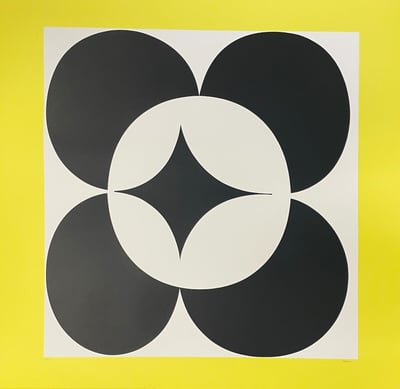
Yaacov Agam
Circles in Yellow, 1980
Limited Edition Print
Serigraph
USD 850

Yaacov Agam
Yellow Haze, from The Evolution Suite I, C. 1995
Limited Edition Print
Mixed Media
EUR 2,400

Yaacov Agam
American flag, C. 1980
Sculpture / Object
Mixed Media
EUR 1,100

Yaacov Agam
Composition
Limited Edition Print
Mixed Media
USD 1,300
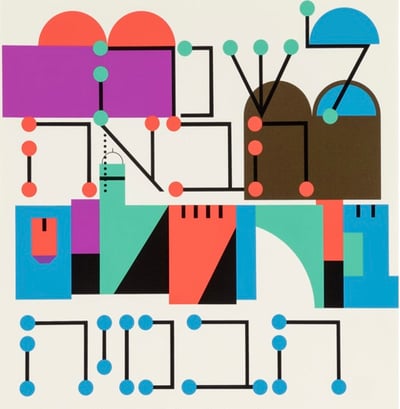
Yaacov Agam
Haggadah – Le Shana Haba’Ah (Next Year In Jerusalem), 1985
Limited Edition Print
Silkscreen
USD 450
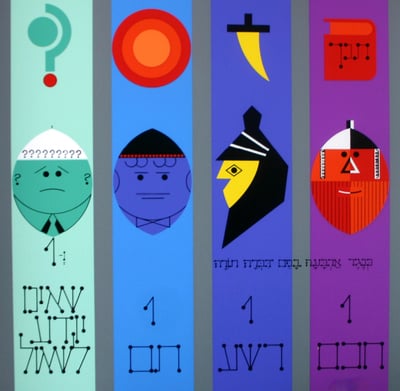
Yaacov Agam
Haggadah – Four Sons, 1985
Limited Edition Print
Silkscreen
USD 450
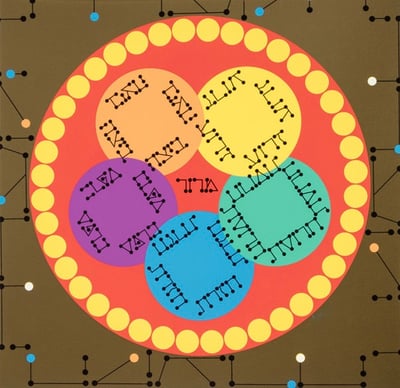
Yaacov Agam
Haggadah – Hakerara (The Seder Plate), 1985
Limited Edition Print
Silkscreen
USD 450
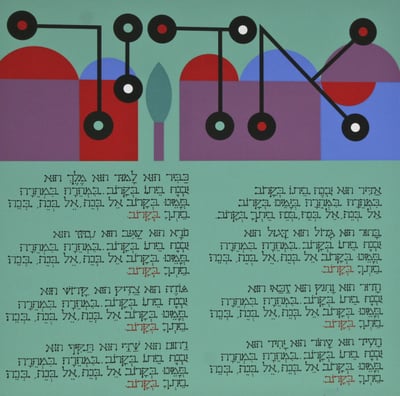
Yaacov Agam
Haggadah – Adir (Greatest), 1985
Limited Edition Print
Silkscreen
USD 450
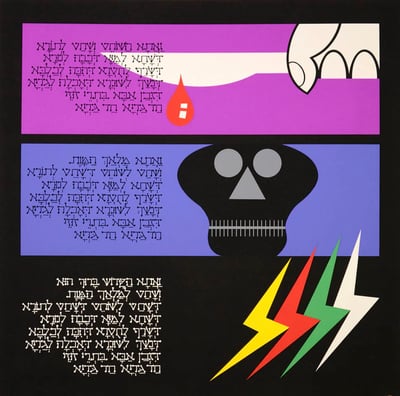
Yaacov Agam
Haggadah – Had Gadya #3 (The Little Lamb), 1985
Limited Edition Print
Silkscreen
USD 450
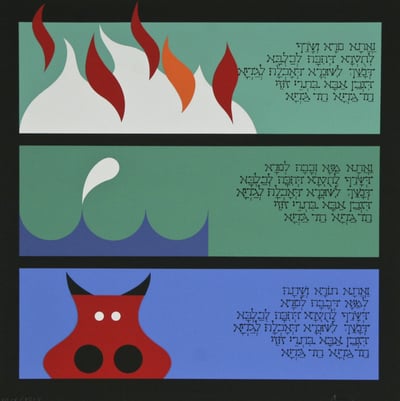
Yaacov Agam
Haggadah – Had Gadya #2 (The Little Lamb), 1985
Limited Edition Print
Silkscreen
USD 450
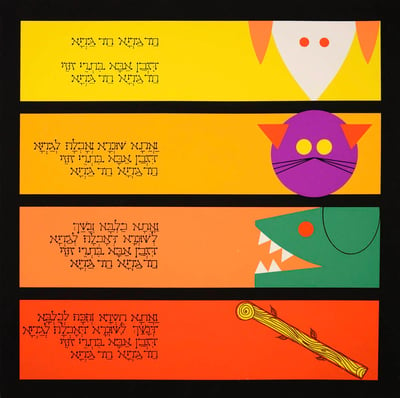
Yaacov Agam
Haggadah – Had Gadya #1 (The Little Lamb), 1985
Limited Edition Print
Silkscreen
USD 450

Yaacov Agam
Square Wave, 1983
Limited Edition Print
Serigraph
USD 1,250
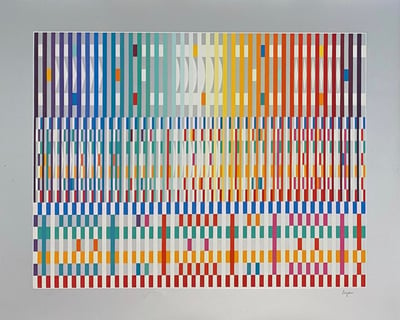
Yaacov Agam
Untitled II, 1990
Limited Edition Print
Lithograph
USD 900

Yaacov Agam
Star of David - Abstract Illusionism, 1979
Limited Edition Print
Screen-print
EUR 1,400

Yaacov Agam
River Pebbel, Ca. 1970
Sculpture / Object
Mixed Media
EUR 1,900

Yaacov Agam
Megillat Esther, 1980
Limited Edition Print
Serigraph
USD 10,950

Yaacov Agam
Hommage a Chopin I, 1970-80
Limited Edition Print
Mixed Media
USD 1,350

Yaacov Agam
Kiddush Cup, 1993
Sculpture / Object
Mixed Media
USD 1,350
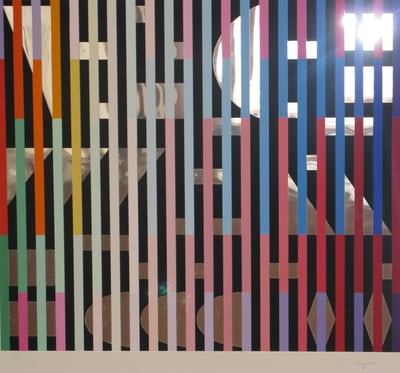
Yaacov Agam
Silver, 1982
Limited Edition Print
Silkscreen
USD 1,400

Yaacov Agam
Night rainbow (large), 1982
Limited Edition Print
Silkscreen
USD 1,875
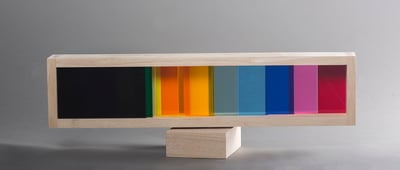
Yaacov Agam
Infinity transparency #3, 2017
Sculpture / Object
Mixed Media
EUR 3,700

Yaacov Agam
Sketch #1b
Drawing / Watercolor
Pen and ink
USD 1,280

Yaacov Agam
Sketch #1
Drawing / Watercolor
Pen and ink
USD 1,280

Yaacov Agam
Inter Image
Limited Edition Print
Silkscreen
USD 1,200
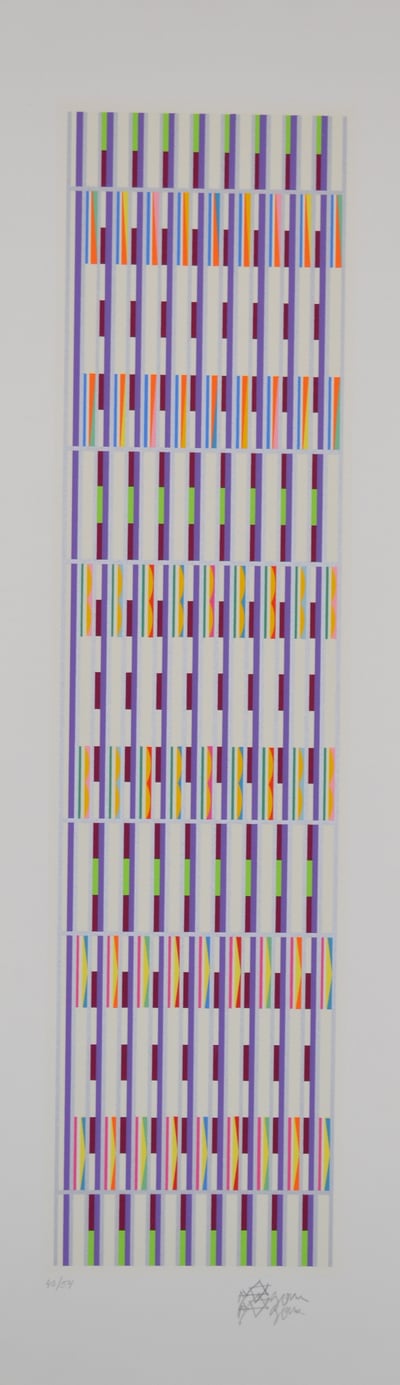
Yaacov Agam
Vertical orchestration purple, Unknown
Limited Edition Print
Silkscreen
USD 1,100
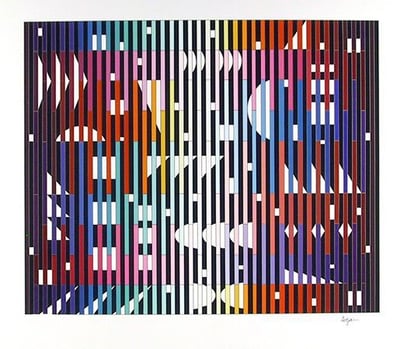
Yaacov Agam
Night rainbow (small), 1982
Limited Edition Print
Silkscreen
USD 1,250

Yaacov Agam
Next year in Jerusalem, Unknown
Drawing / Watercolor
Mixed Media
USD 10,950
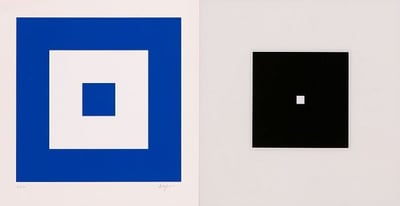
Yaacov Agam
Big Bang Blue
Limited Edition Print
Silkscreen
EUR 980

Yaacov Agam
Geometric 3 Agam, c. 1975-1980
Limited Edition Print
Screen-print
EUR 2,900

Yaacov Agam
Star of Hope, Agamograph, 1975
Limited Edition Print
Screen-print
EUR 2,800

Yaacov Agam
Tactile painting, 2013
Digital Art
Mixed Media
EUR 3,000

Yaacov Agam
Night-Lights Prismagraph, 1991
Limited Edition Print
Mixed Media
EUR 5,900

Yaacov Agam
Message of peace, 1988
Limited Edition Print
Silkscreen
Currently Not Available
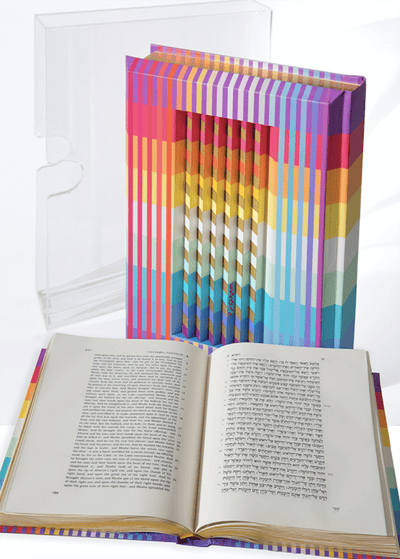
Yaacov Agam
Rainbow Torah, 1992
Sculpture / Object
Plastic
Currently Not Available

Yaacov Agam
Magic Raindrops II
Limited Edition Print
Silkscreen
Currently Not Available
Related Artists


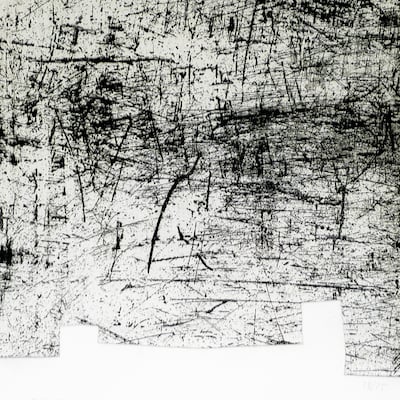
What is abstract art?
Abstract art uses form, shape, line, and color to create a visual experience without attempting to represent external reality. The composition exists independently of the world's visual references, focusing on expressing ideas and emotions through non-representational means.

Yaacov Agam
American flag, C. 1980
35 x 35 x 2.5 cm


