

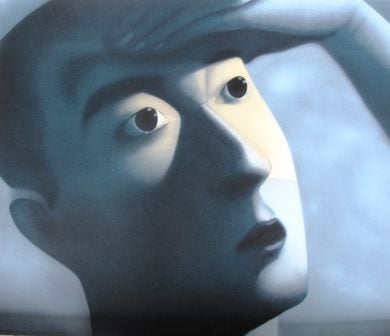
Chinese Baby No. 3, 2006
Form
Medium
Size
- Inches
- Centimeters
Easily Unframed
Price
- Authenticity Guaranteed
- Insured Shipping
- Online Since 2005
Yin Kun
Private Listing
Painting
request info
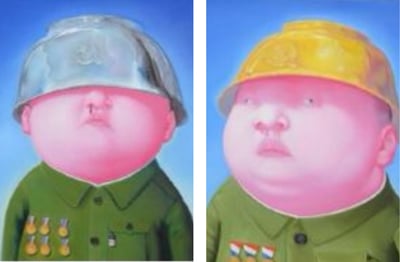
Yin Kun
Commentator Golden & Iron Bowl, 2014
Painting
Oil on canvas
USD 43,750

Yin Kun
Chinese Fairytales - Walk, 2013
Painting
Oil on canvas
USD 6,500
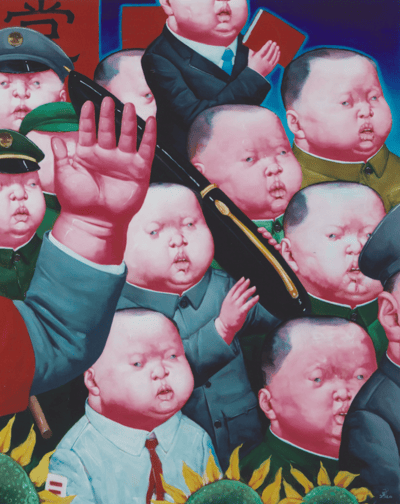
Yin Kun
Chinese Fairytale - Ceremony 3, 2013
Painting
Oil on canvas
Make Your Offer

Yin Kun
Chinese Baby 11-05, 2011
Painting
Oil on canvas
USD 17,200

Yin Kun
Chinese honey, 2005
Painting
Oil on canvas
EUR 4,620
Available works by Yin Kun
See all →Yin Kun
Commentator Golden & Iron Bowl, 2014
Painting
Oil on canvas
USD 43,750
Yin Kun
Chinese Fairytales - Walk, 2013
Painting
Oil on canvas
USD 6,500
Yin Kun
Chinese Fairytale - Ceremony 3, 2013
Painting
Oil on canvas
Make Your Offer
Yin Kun
Chinese Baby 11-05, 2011
Painting
Oil on canvas
USD 17,200
Yin Kun
Chinese honey, 2005
Painting
Oil on canvas
EUR 4,620
Related Artists
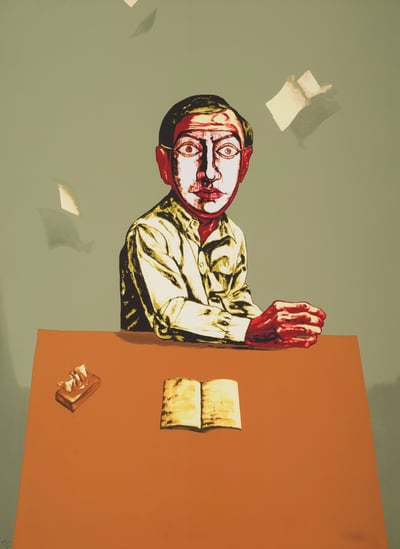
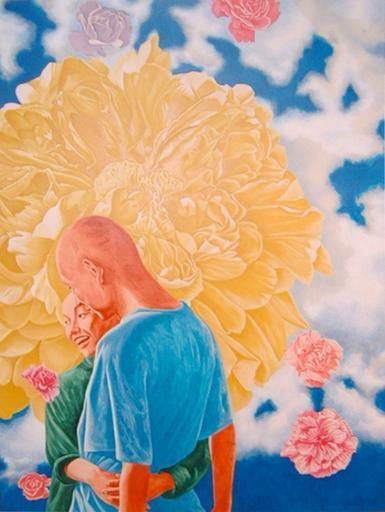

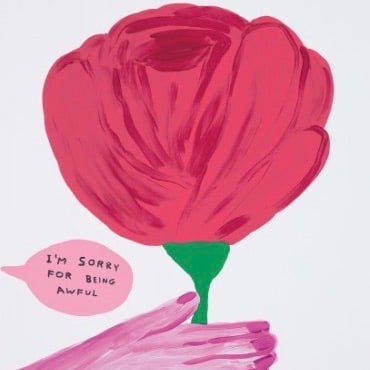
What is Naive Art?
Naïve art describes a style of artwork that is simple and unsophisticated, often created by artists without formal training in an academy or art school. The style is characterized by a lack of advanced techniques, giving it a childlike appearance. Naïve art often features bright colors, simple shapes, and a straightforward approach to subject matter, reflecting the artist's untrained perspective.


