
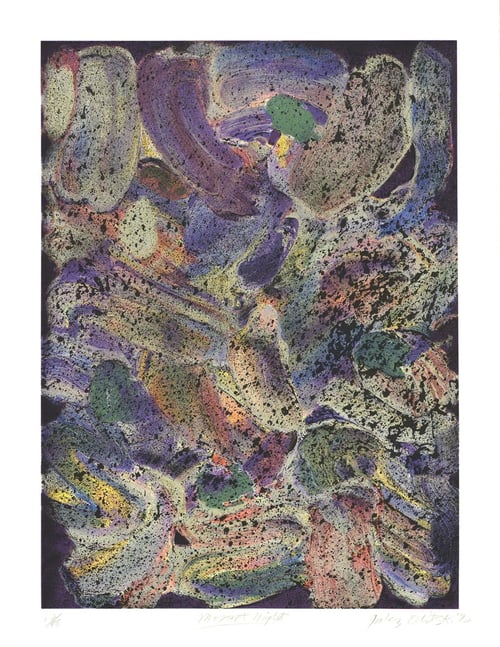
Jules Olitski
Jules Olitski (USA, 1922–2007) was a prominent abstract painter and sculptor, celebrated for his contributions to Color Field painting. Known for his atmospheric gradients and innovative spray-painting techniques, Olitski explored color and texture in groundbreaking ways. His works are featured in major museums worldwide, solidifying his legacy in modern art.
© Jules Olitski. All rights reserved.
- Recently Added
- Price (Low-High)
- Price (High-Low)
- Year (Low-High)
- Year (High-Low)
Jules Olitski
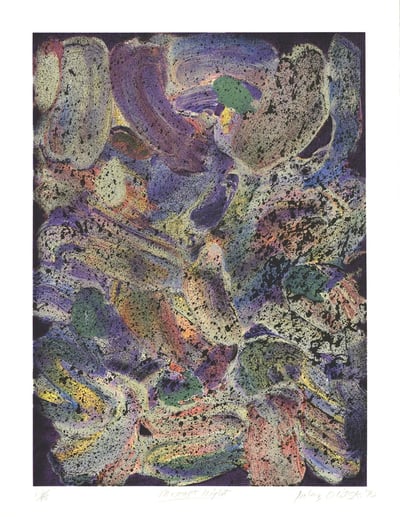
Mozart Night, 1992
Limited Edition Print
Silkscreen
USD 3,960
No sold works to show.
I work day and night without sleep. The paintings keep me fired up.
- Jules Olitski
- Jules Olitski
Seamless layers of intense color intermingling to create an effect of airy clouds of paint made a huge impact in the Art World for Jules Olitski in the mid 1960s. Olitski's objective was to take paint beyond the boundaries both of the canvas and of the artist's brush. He pioneered the technique of using a high-powered industrial spray gun to paint on unprimed canvas. Patutsky in Paradise is probably the best example of this stage of his work. He was also a printmaker and sculptor, exhibiting – as the first living American artist to do so - large aluminum spray-painted sculptures in a one-man exhibition at the Metropolitan Museum of Modern Art. Jules Olitski studied in New York and Paris after WWI and went on to develop a style combining Parisian influences with American Abstract Expressionism. The 1950s saw him experimenting with various mediums and exhibiting with such 2nd Generation Color Field Painters as Morris Louis and Kenneth Noland. By the mid 1960s his need to escape the limitations of the canvas led him to move beyond it to achieve the luminous fields of sprayed color for which he became known. During the later decades of the 20th century, Jules Olitski continued to experiment with the interaction of light and color, often returning to heavy brushwork using polymer and gel acrylics, and moving back to thicker layers of pigment. This work was not so well-received and he was seen as less at the forefront of the Color Field movement than Louis, Noland and Helen Frankenthaler. During his final years, tastes changed again, and his work became more popular. Today, it is exhibited in major collections around the world including the Guggenheim and the Tate, and retrospectives have recognized the importance of his influence on younger generations of abstract painters. (Artist website)
Related Artists



Related Articles
Popular, Artists - October 9, 2025
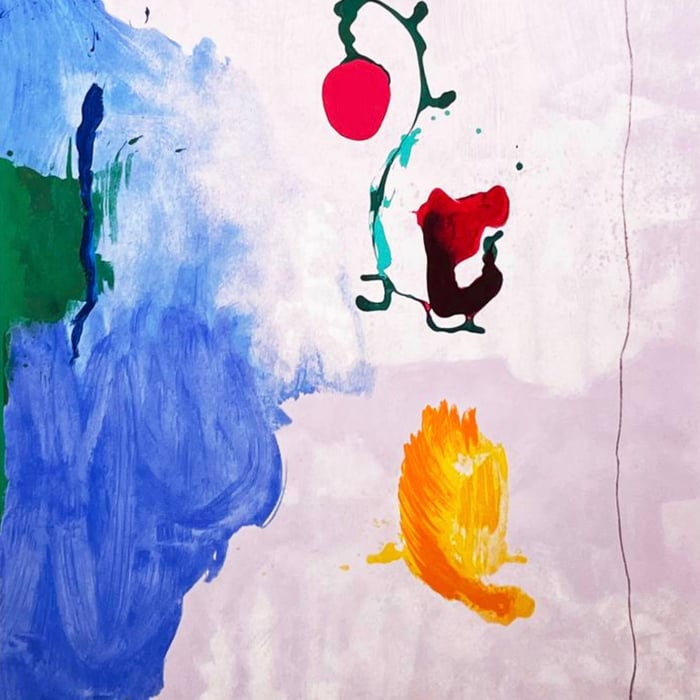
How Helen Frankenthaler Taught Color to Speak
Discover how Helen Frankenthaler transformed modern art with her soak-stain technique—bridging Abstract Expressionism and Color Field painting.Read More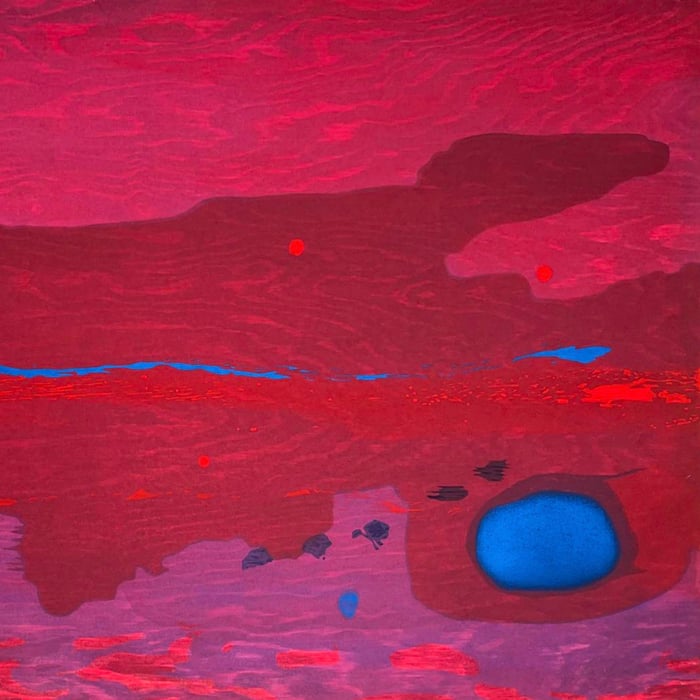
Popular, Art Movements - November 20, 2024
Understanding Abstract Expressionism: Emotion and Gesture
Explore the emotional depth of Abstract Expressionism! Discover how artists like Pollock and Rothko used gesture and color to convey human complexity.Read More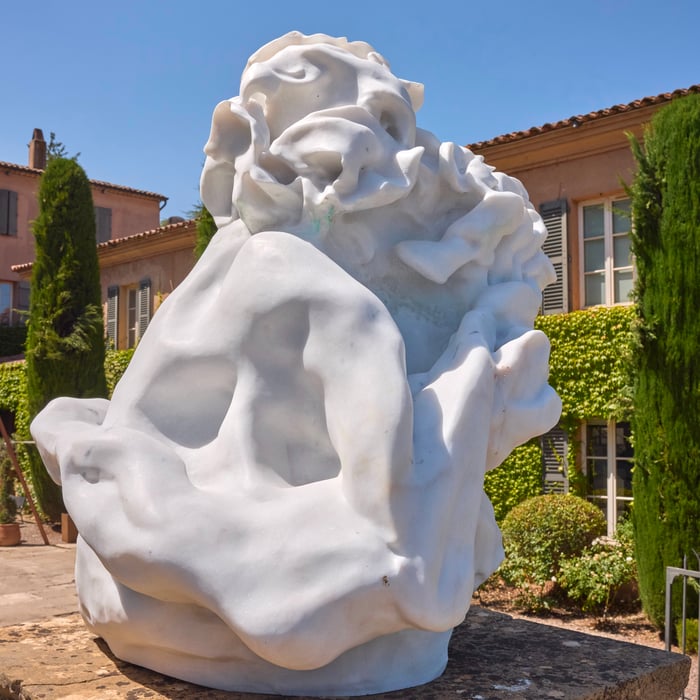
News, Popular, Collecting, Artists - August 12, 2026
In Minor Keys: Finding Intimacy and Identity at the 61st Venice Biennale — and in Your Collection
Explore how Koyo Kouoh’s 61st Venice Biennale vision, In Minor Keys, is shifting contemporary collecting toward quiet introspection, memory, and personal identi…Read More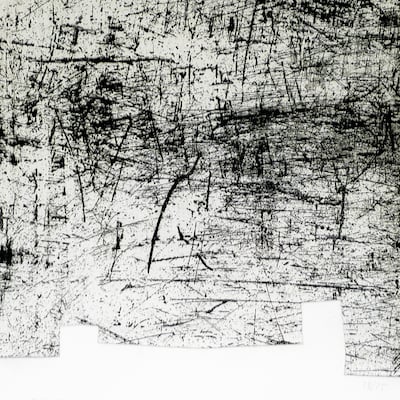 Artwork by Eduardo Chillida
What is abstract art?
Abstract art uses form, shape, line, and color to create a visual experience without attempting to represent external reality. The composition exists independently of the world's visual references, focusing on expressing ideas and emotions through non-representational means.
Explore »

