

Louise Bourgeois
© Louise Bourgeois. All rights reserved.

Louise Bourgeois
Crochet V, 1998
Limited Edition Print
Mixed Media
USD 34,750
Louise Bourgeois
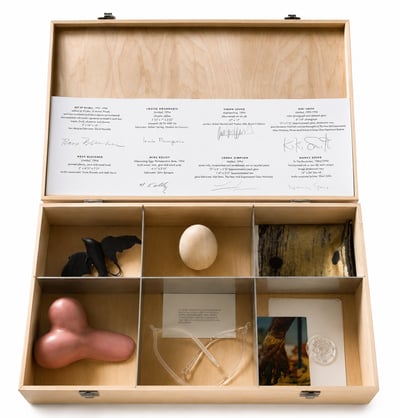
ACT UP Art Box, 1994
Sculpture / Object
Mixed Media
EUR 11,500
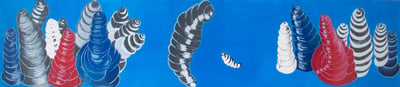
Louise Bourgeois
The Songs of the Blacks and the Blues, 1999
Limited Edition Print
Mixed Media
Inquire For Price
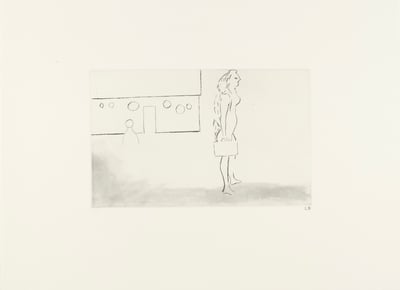
Louise Bourgeois
Autobiographical Series 13, 1994
Limited Edition Print
Etching
EUR 6,750
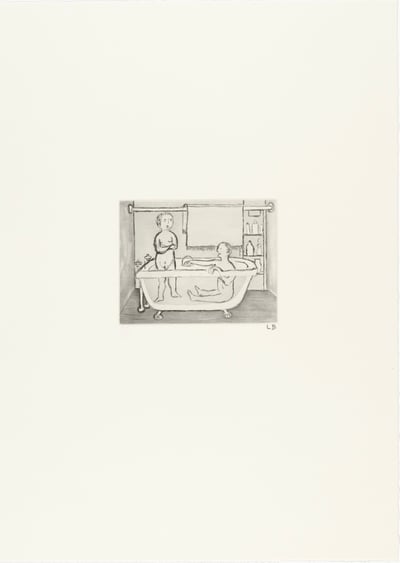
Louise Bourgeois
Autobiographical Series 10, 1994
Limited Edition Print
Etching
EUR 6,750
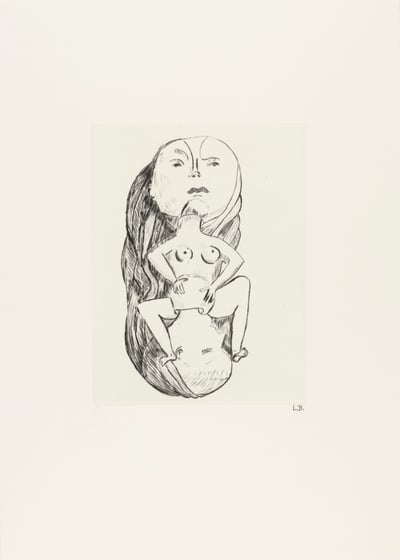
Louise Bourgeois
Autobiographical Series 9, 1994
Limited Edition Print
Etching
EUR 6,750
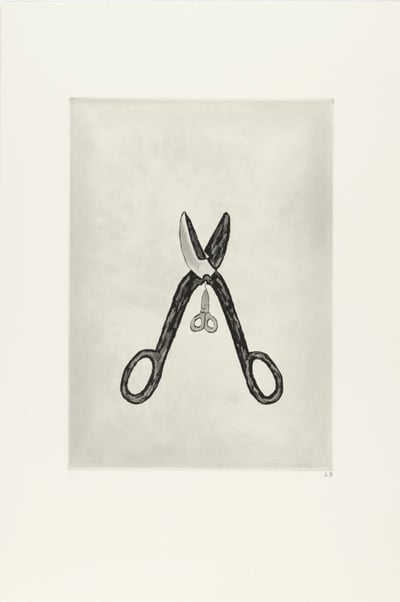
Louise Bourgeois
Autobiographical Series 1, 1994
Limited Edition Print
Etching
EUR 7,200

Louise Bourgeois
Untitled (Undulating Ribbon), 1997
Drawing / Watercolor
Mixed Media
Inquire For Price

Louise Bourgeois
Untitled (Spider and Snake), 2003
Limited Edition Print
Mixed Media
EUR 23,600
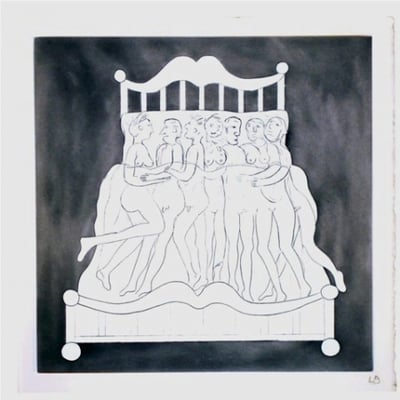
Louise Bourgeois
Metamorfosis V, 1999
Limited Edition Print
Etching
Currently Not Available
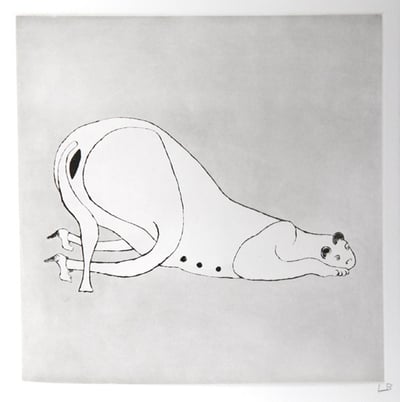
Louise Bourgeois
Metamorfosis I , 1999
Limited Edition Print
Etching
Currently Not Available
- Louise Bourgeois
She studied art at several reputable schools including Academie de la Grande Chaumiere, Ecole du Louvre, and Ecole des Beaux-Arts. After marrying her American husband, Robert Goldwater, and moving to New York City, Louise Bourgeois turned her focus to sculpture. During this time, her artistic creations would often exude themes of loneliness, anxiety, and betrayal.
She often used junkyard scraps and driftwood that she would then carve into upright wood sculptures. Bourgeois would cover the impurities of the wood with paint and then use nails to create holes and scratches in the piece to articulate a certain emotion. One great example of her work is a piece entitled, “Sleeping Figure”. The piece depicts a war veteran who is unable to face the real world due to vulnerability.
In 1954, Bourgeois joined the American Abstract Artists Group. Her membership in the group was the catalyst for her making the transition from wood and upright structures to marble, bronze, and plaster. Bourgeois often rejected the idea that her art was feminist, however many of her works, such as Janus Fleuri (1968) proved that she wasn’t timid about celebrating the female body or using the female form in new ways. Later in life, Bourgeois added teaching to her resume as she obtain instructional positions at the several higher education institutions, including Cooper Union and the New York Studio School of Drawing, Painting, and Sculpture. She also taught for many years in the public school system in Great Neck, Long Island. One of her most recognizable pieces is a work called “The Destruction of Father.'' (Artist website)
Related Artists

Related Articles
News, Popular, Collecting, Artists - August 12, 2026
In Minor Keys: Finding Intimacy and Identity at the 61st Venice Biennale — and in Your Collection
Explore how Koyo Kouoh’s 61st Venice Biennale vision, In Minor Keys, is shifting contemporary collecting toward quiet introspection, memory, and personal identi…Read More
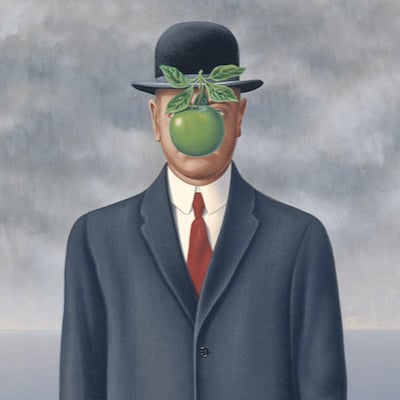 Artwork by Rene Magritte
What is Surrealism?
Surrealism began in the 1920s as an art and literary movement with the goal of revealing the unconscious mind and unleashing the imagination by exploring unusual and dream-like imagery. Influenced by Sigmund Freud’s theories of psychoanalysis, Surrealist artists and writers sought to bring the unconscious into rational life, blurring the lines between realit…
Explore »

