

Ludwig Wilding
© Ludwig Wilding. All rights reserved.
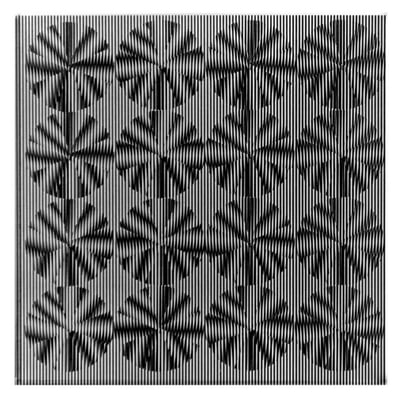
Ludwig Wilding
SBST 2827, 1993
Sculpture / Object
Object
EUR 1,500

Ludwig Wilding
SBST 2838, 2000
Sculpture / Object
Object
EUR 1,500

Ludwig Wilding
SBST 2823, 1993
Sculpture / Object
Object
EUR 1,500

Ludwig Wilding
SB II, 1986
Sculpture / Object
Object
EUR 1,500

Ludwig Wilding
SBST 2818, 1986
Sculpture / Object
Object
EUR 1,500

Ludwig Wilding
SBT 2835, 1998
Sculpture / Object
Object
EUR 1,500
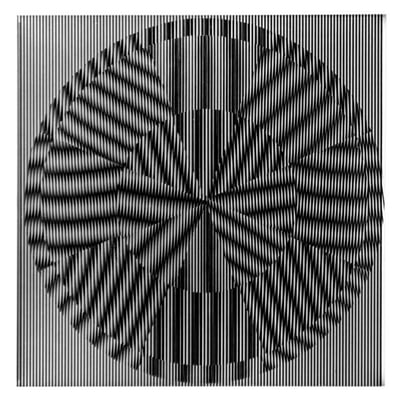
Ludwig Wilding
SBST 2839, 2001
Limited Edition Print
Mixed Media
EUR 1,500
No sold works to show.
Ludwig Wilding had always been interested in visual perception of space and creating illusions of depth in pictures. Ludwig Wilding's work was inspired by the Modernists and M.C. Escher and he is responsible for inventing the technology of using superimposition of interference which created three dimensional optical illusions. In the 1950's his "optical interference" identified and isolated the line using black and white as the primary structure in his work. By the 1960's Ludwig Wilding began to incorporate two and three dimensional images by constructing "interfering objects" where he then superimposed a network of lines to produce effects of optical vertigo. Ludwig Wilding's works question the interaction between the viewer's eye and brain. His patterns appear to shift and flicker as the viewer looks at them, confusing the eye. He often referred to his work as "irritating art" as he incorporated the limits of visual perception and viewers often have to rub their eyes as the patterns physically irritate them. Ludwig Wilding's works have appeared in museums across the globe including the United States and Germany.
Related Artists


Related Articles
Collecting, Popular - July 23, 2025
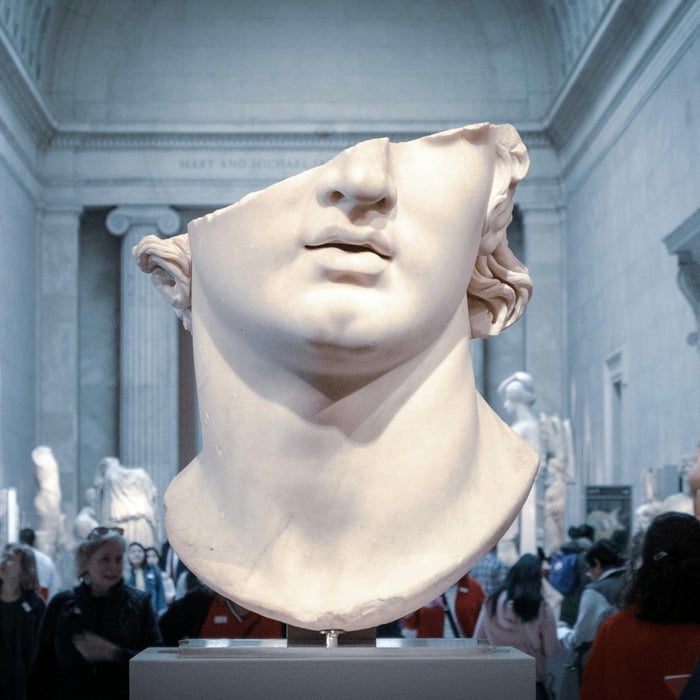
Sculpture Care and Display: From Plinths to Pedestals in Your Home
Learn how to display and care for sculpture at home—from lighting tips to material care—so your art can truly shine in any space.Read More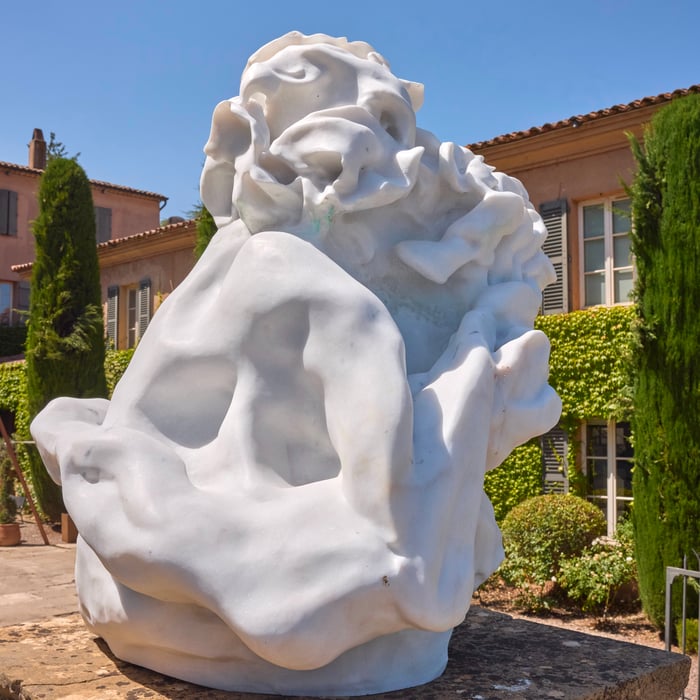
News, Popular, Collecting, Artists - August 12, 2026
In Minor Keys: Finding Intimacy and Identity at the 61st Venice Biennale — and in Your Collection
Explore how Koyo Kouoh’s 61st Venice Biennale vision, In Minor Keys, is shifting contemporary collecting toward quiet introspection, memory, and personal identi…Read More
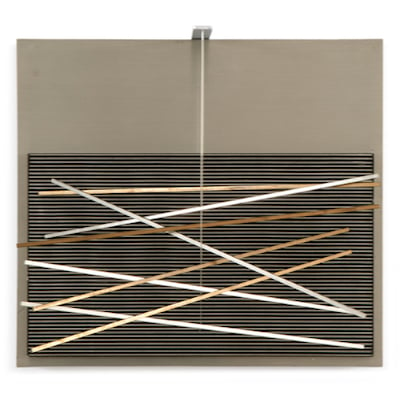 Artwork by Jesus Rafael Soto
What is kinetic art?
Kinetic art is an international movement that emerged in the 1920s and gained prominence in the 1960s, referring to art that involves both apparent and real motion. It encompasses any medium that includes movement, either relying on actual motion for its effect or being perceived as moving by the viewer. Early examples include canvas paintings designed to cr…
Explore »

