

Argentina
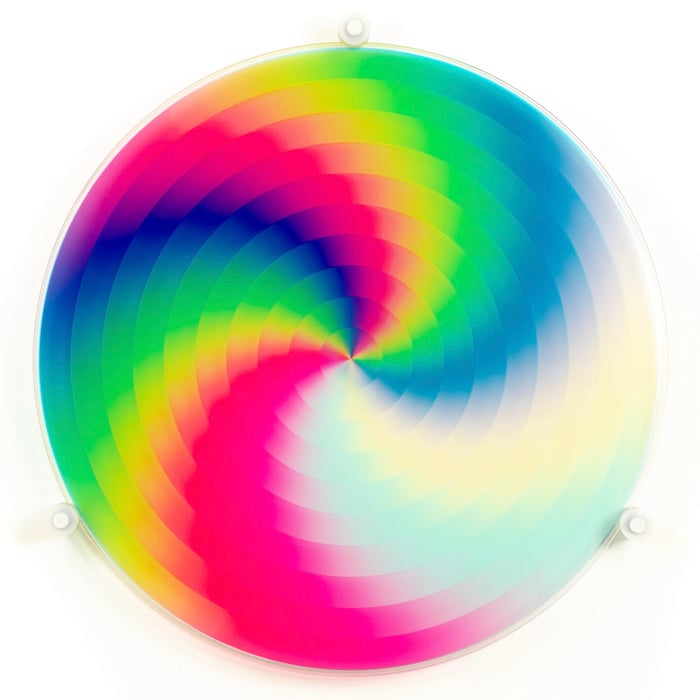
Contemporary Art in Argentina is a vibrant fusion of traditional and modern influences, reflecting the country's rich cultural heritage and dynamic spirit. From Buenos Aires, the heart of Argentina's art scene, to the innovative galleries scattered across the country, Argentine contemporary art is a testament to the nation's creative prowess. Artists such as Julio Le Parc and Felipe Pantone have gained international acclaim, showcasing the unique Argentine perspective to the world. The annual arteBA fair further highlights Argentina's commitment to contemporary art, attracting collectors and enthusiasts from around the globe.
- Show All
- Established
- Discoveries
- Show All
Artworks Related to Argentina

Julio Le Parc
Color Secuencia 10, 2024
Limited Edition Print
Lithograph
EUR 5,000

Julio Le Parc
Color Secuencia 9, 2024
Limited Edition Print
Lithograph
EUR 5,000
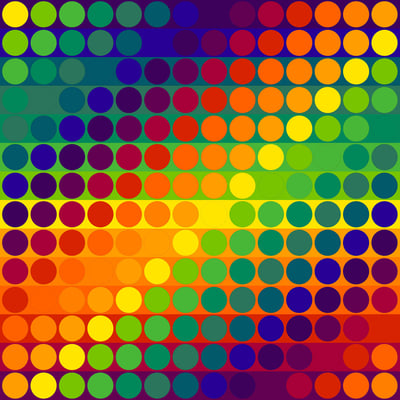
Julio Le Parc
Color Secuencia 8, 2024
Limited Edition Print
Lithograph
EUR 5,000
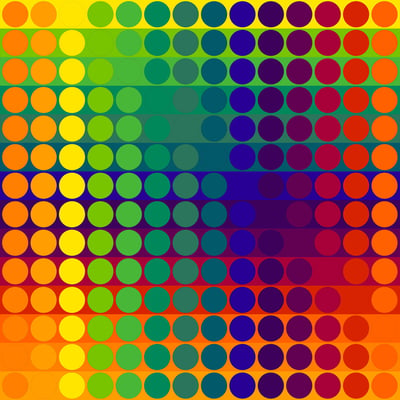
Julio Le Parc
Color Secuencia 7, 2024
Limited Edition Print
Lithograph
EUR 5,000

Julio Le Parc
Color Secuencia 6, 2024
Limited Edition Print
Lithograph
EUR 5,000

Julio Le Parc
Color Secuencia 5, 2024
Limited Edition Print
Lithograph
EUR 5,000

Julio Le Parc
Color Secuencia 4, 2024
Limited Edition Print
Lithograph
EUR 5,000

Julio Le Parc
Color Secuencia 3, 2024
Limited Edition Print
Lithograph
EUR 5,000

Julio Le Parc
Color Secuencia 2, 2024
Limited Edition Print
Lithograph
EUR 5,000

Julio Le Parc
Color Secuencia 1, 2024
Limited Edition Print
Lithograph
EUR 5,000

Liliana Porter
Tenista, 2021
Limited Edition Print
Collage
EUR 1,800

Julio Le Parc
Primeras modulaciones 11, 2018
Limited Edition Print
Lithograph
Currently Not Available
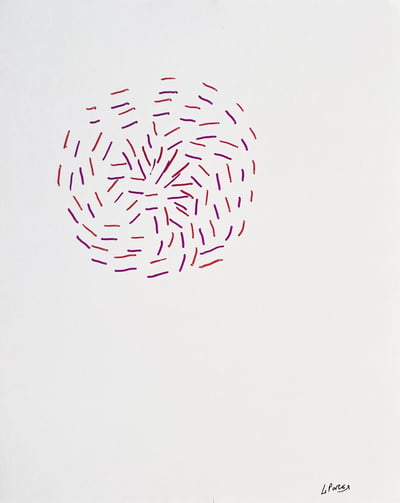
Julio Le Parc
Dessin Infinie 36, 2022
Drawing / Watercolor
Marker
EUR 2,000

Julio Le Parc
Dessin Infinie 30, 2022
Drawing / Watercolor
Marker
EUR 2,000

Julio Le Parc
Dessin Infinie 23, 2022
Drawing / Watercolor
Marker
EUR 2,000

Julio Le Parc
Dessin Infinie 21, 2022
Drawing / Watercolor
Marker
EUR 2,000
Related Articles
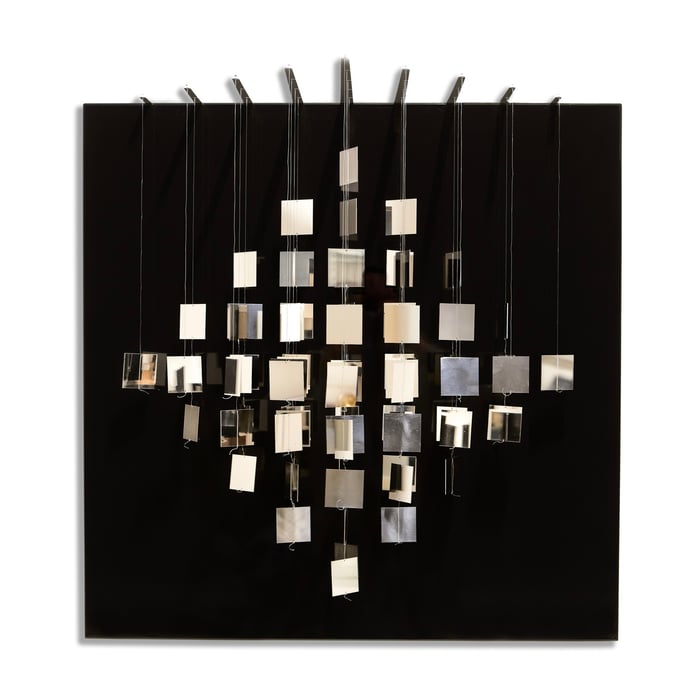
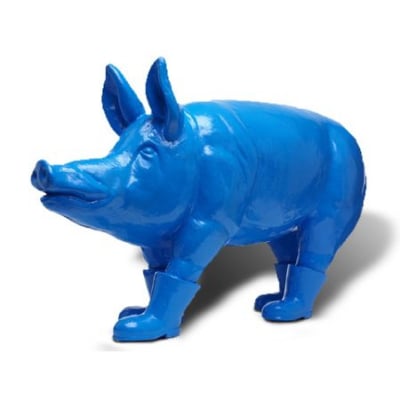
Environmental art is a collective term that refers to a wide range of artistic practices and works that engage with historical and ecological themes. The term often encompasses ecological concerns, although it is not exclusively defined by them. Environmental art acknowledges and appreciates the early history of the environmental art movement, including works with activist themes and those celebrating the connection between nature and the artist through the use of natural materials.

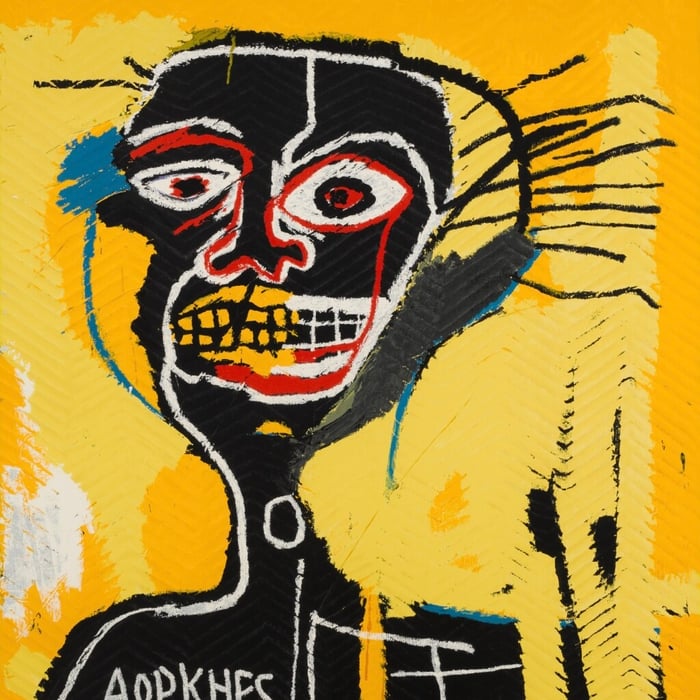
Neo-Figurative Art is a collective term that refers to the revival of figurative art in America and Europe during the 1960s, following a period dominated by abstraction. Michel Ragon, a French art critic, argued that this resurgence of figuration occurred during a critical time of social and political upheaval in both regions.

Lithography is a printing method based on the principle that water and oil do not mix. It can be used to print artwork or text onto paper or other suitable materials. Traditionally, an image was drawn with wax, fat, or oil onto a lithographic limestone surface or plate. Today, metal plates and other surfaces are also used in lithographic printing.
Can't find your Answer?
Thank you! Your question has been sent — we'll get back to you shortly.
