

Venezuela
Venezuela's contemporary art is a vibrant testament to the country's resilience and creativity amidst a backdrop of social and political turbulence. Artists like Carlos Cruz-Diez and Jesús Rafael Soto powerfully channel their experiences into works that traverse physical and digital realms. The Museo de Arte Contemporáneo in Caracas and the Centro de Arte Los Galpones showcase this dynamic art scene, hosting exhibitions that reflect the nation's diverse artistic voices. Engage more deeply with Venezuelan contemporary art through Composition Gallery's curated collections, found on our website.
- Show All
- Established
- Discoveries
- Show All
Artworks Related to Venezuela

Rafael Jesus Soto
Dos Cuadraditos, 1972
Sculpture / Object
Object
Currently Not Available

Carlos Cruz-Diez
Stèle horizontale 9, 2008
Ceramics
Ceramic
EUR 12,000

Rafael Jesus Soto
Caroni, 1971
Limited Edition Print
Silkscreen
EUR 1,270
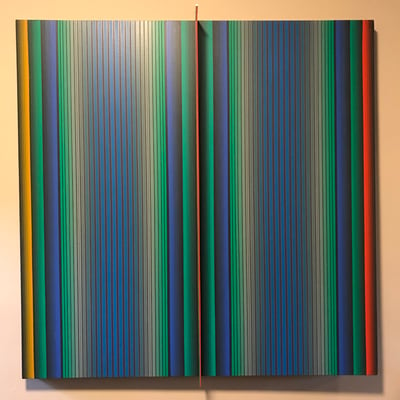
Dario Perez-Flores
Prochromatique 1241, 2020
Painting
Mixed Media
EUR 27,000
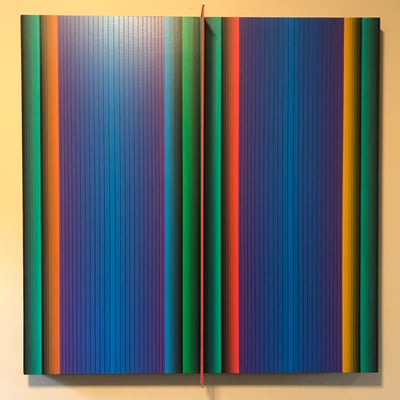
Dario Perez-Flores
Prochromatique 1240, 2022
Painting
Mixed Media
EUR 27,000
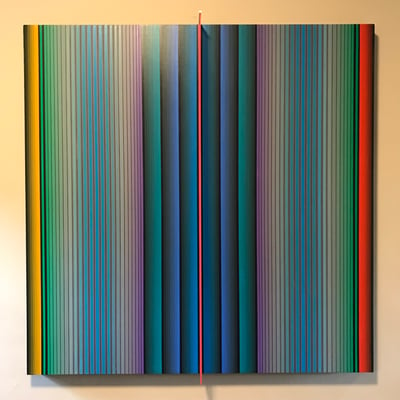
Dario Perez-Flores
Prochromatique 1138, 2020
Painting
Mixed Media
EUR 27,000
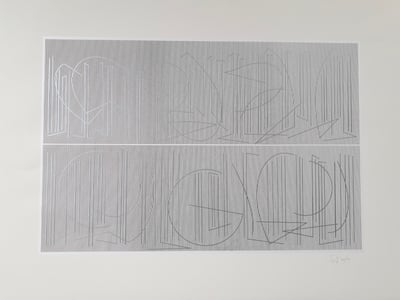
Rafael Jesus Soto
Untitled (Silver Lines)
Limited Edition Print
Screen-print
GBP 2,800
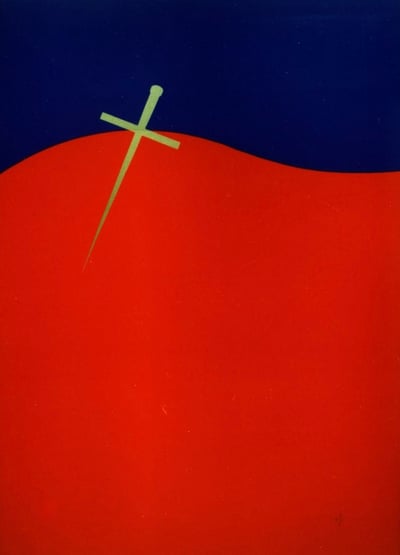
Rafael Jesus Soto
Homage to Federico Garcia Lorca, 1999
Limited Edition Print
Silkscreen
EUR 800

Rafael Barrios
Levitation III, 2019
Sculpture / Object
Metal
Currently Not Available
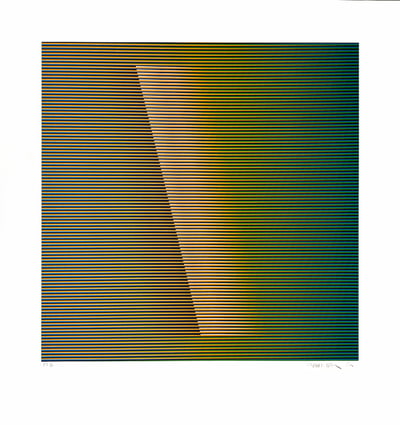
Carlos Cruz-Diez
Medellín 2, 2013
Limited Edition Print
Serigraph
EUR 5,990

Carlos Cruz-Diez
Medellín 3, 2013
Limited Edition Print
Serigraph
EUR 5,990

Luchita Hurtado
Untitled, 2019
Limited Edition Print
Aquatint
Currently Not Available
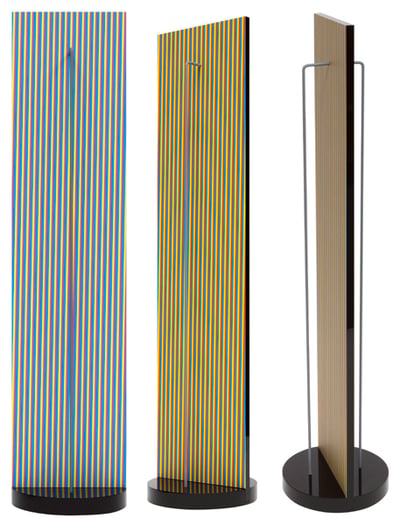
Carlos Cruz-Diez
Couleur à l’espace nova, 2012
Sculpture / Object
Object
EUR 9,000

Carlos Cruz-Diez
Cromointerferencia manipulable feria estampa, 2011
Limited Edition Print
Object
EUR 5,000

Dario Perez-Flores
Prochromatique edition 1, 2012
Painting
Mixed Media
EUR 3,500

Dario Perez-Flores
Prochromatique 1, 2010
Sculpture / Object
Mixed Media
EUR 2,700
Related Articles
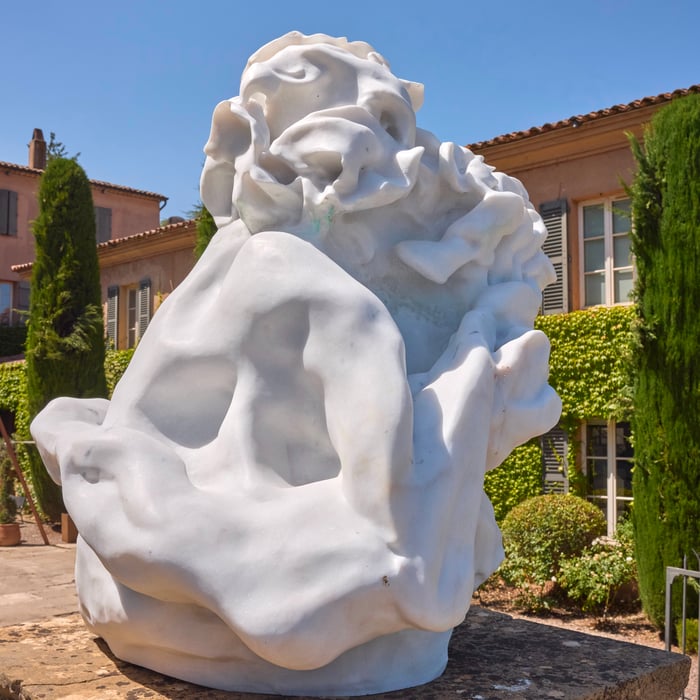
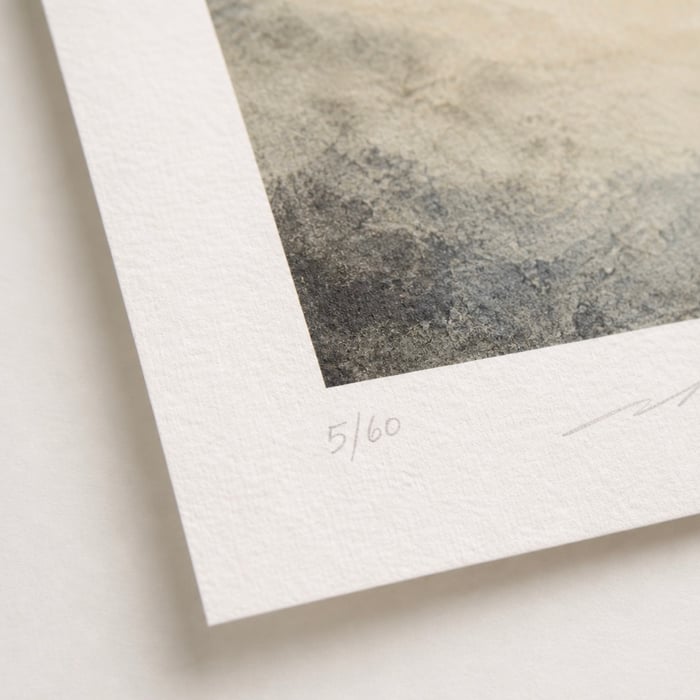

Spatialism is an art movement that originated in Italy in 1947, founded by Lucio Fontana with the intention of synthesizing sound, color, movement, and space into a new form of art. The movement's central ideas were outlined in Fontana's first manifesto, published in 1947, where he introduced the concept of spatial art to capture the spirit of the post-war era. His ideas were further developed in five subsequent manifestos. Although Fontana's ideas were sometimes considered vague, his influence was significant, as he was one of the first European artists to emphasize art as a performance and gesture.
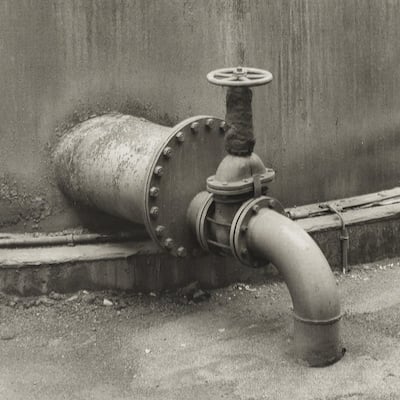
The Düsseldorf School of Photography refers to a group of photographers who studied under Bernd and Hilla Becher at the Kunstakademie Düsseldorf during the 1970s. This group was known for its devotion to the black-and-white industrial images characteristic of the German tradition known as New Objectivity. The photographers focused on precise, methodical documentation of industrial structures, often using a detached and objective approach.

Composition refers to the arrangement of elements within an artwork. The artist carefully organizes these elements to create a harmonious or intentionally dynamic relationship. Traditional approaches to composition often follow classical, geometric principles, while contemporary movements may experiment with new arrangements and adjustments, breaking away from conventional rules to achieve different visual effects.
Can't find your Answer?
Thank you! Your question has been sent — we'll get back to you shortly.
