

What is appropriation?
- Show All
- Established
- Discoveries
- Show All
Artworks Related to Appropriation

Damien Hirst
Untitled - grim reaper, 2003
Drawing / Watercolor
Mixed Media
Inquire For Price
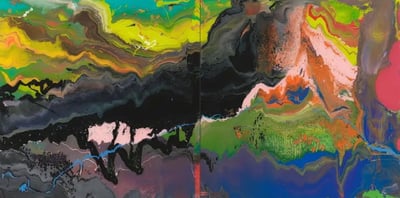
Gerhard Richter
Flow P16, 2016
Limited Edition Print
Mixed Media
Inquire For Price
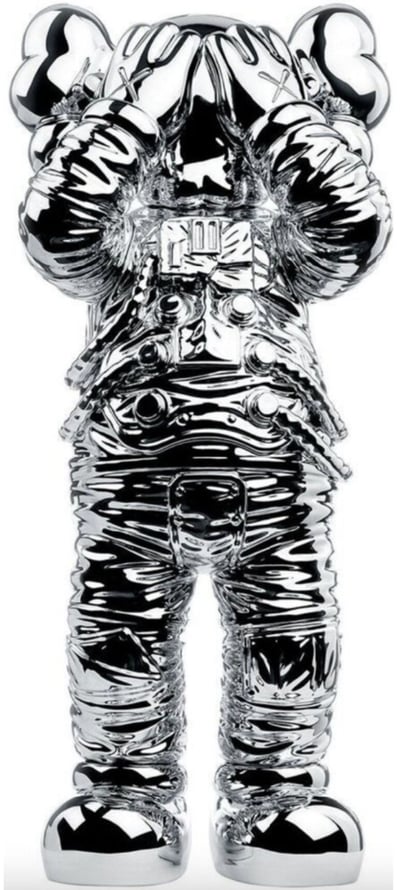
KAWS
Holiday Space: 11.5, 2020
Sculpture / Object
Mixed Media
GBP 3,500
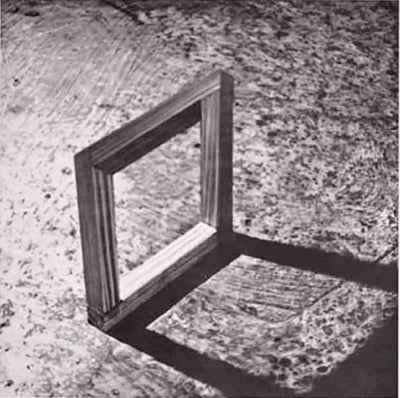
Gerhard Richter
Nine Objects, 1969
Limited Edition Print
Mixed Media
GBP 15,000 - 19,500

KAWS
Passing Through (Mono), 2013
Sculpture / Object
Mixed Media
GBP 1,950

KAWS
Lost Time, Alone Again, Far Far Down, 2018
Limited Edition Print
Screen-print
GBP 40,000 - 50,000
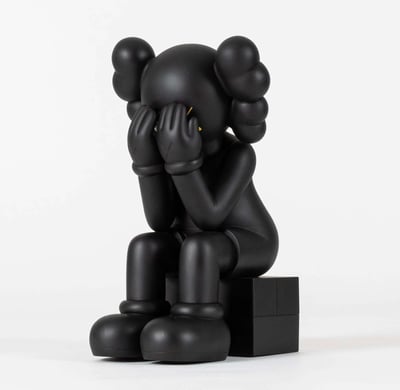
KAWS
Passing Through (Black), 2013
Sculpture / Object
Mixed Media
GBP 1,950
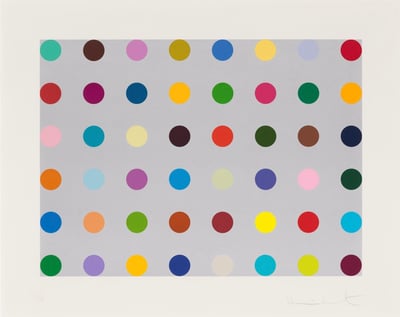
Damien Hirst
Histidyl, 2008
Limited Edition Print
Screen-print
GBP 14,000 - 18,000
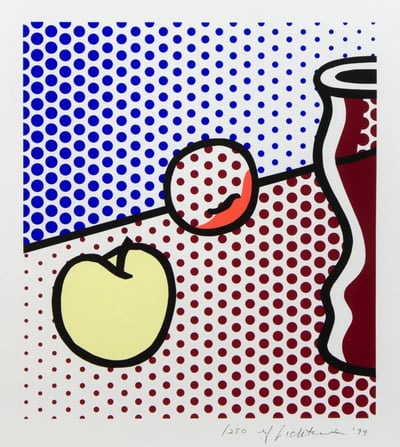
Roy Lichtenstein
Still Life with Red Jar, 1994
Limited Edition Print
Screen-print
GBP 18,500 - 24,000
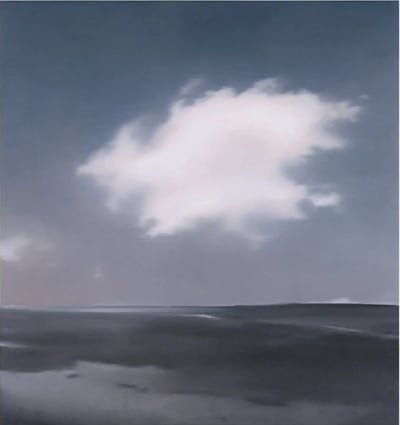
Gerhard Richter
Landschaft mit Wolke, 2026
Limited Edition Print
Mixed Media
GBP 900
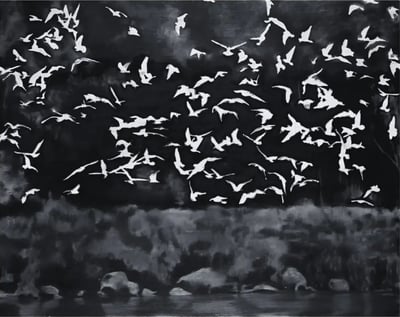
Gerhard Richter
Vögel, 2026
Limited Edition Print
Mixed Media
GBP 900
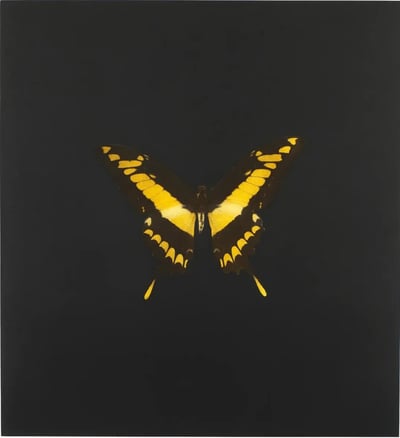
Damien Hirst
The Souls on Jacob’s Ladder Take Their Flight, 2007
Limited Edition Print
Etching
GBP 16,000 - 20,000

Banksy
Gangsta Rat (Unsigned), 2004
Limited Edition Print
Screen-print
GBP 18,000 - 23,000

Banksy
CND Soldiers (Unsigned), 2005
Limited Edition Print
Screen-print
GBP 14,000 - 18,200
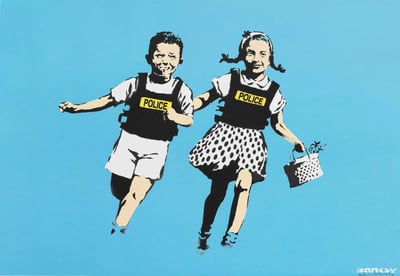
Banksy
Jack & Jill, 2005
Limited Edition Print
Screen-print
GBP 33,000 - 40,000
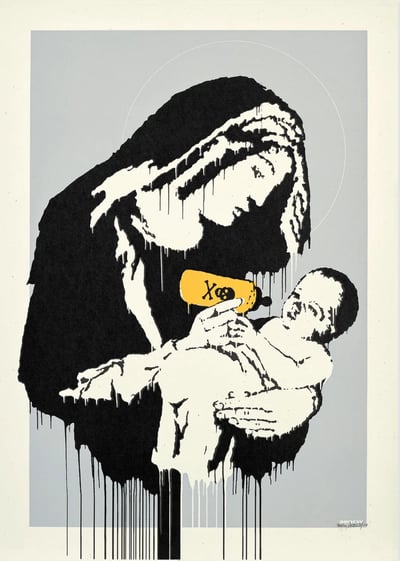
Banksy
Toxic Mary, 2003
Limited Edition Print
Screen-print
GBP 34,000 - 42,000
Related Articles
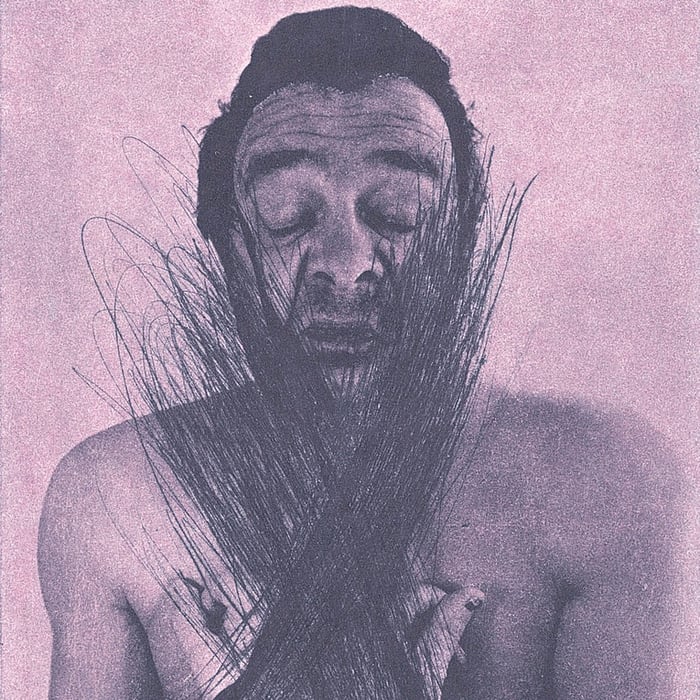

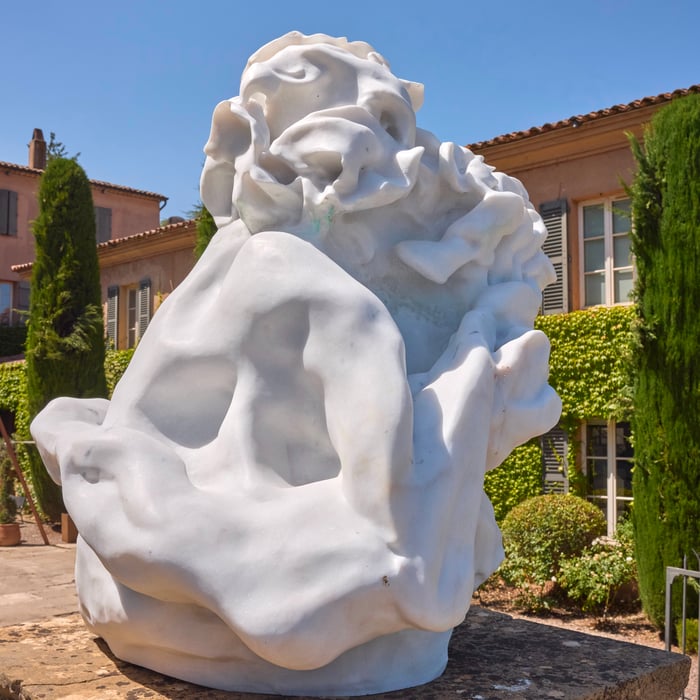

Computer printing involves using computer technology to reproduce fine art images as prints. In its basic form, this means creating digital versions of artwork that are printed onto paper. More advanced techniques allow artists to program computers to generate original art, which is then printed using various printing technologies.

ZERO was an art movement founded by Otto Piene and Heinz Mack, aiming to develop into a large international and cross-border movement. The name ZERO originated from a magazine founded by Heinz Mack in 1957, which became a platform for the group's ideas. The magazine was published for several years before ceasing in 1967. The ZERO movement sought to create a new beginning in art, emphasizing light, space, and movement, and became influential in post-war European art.
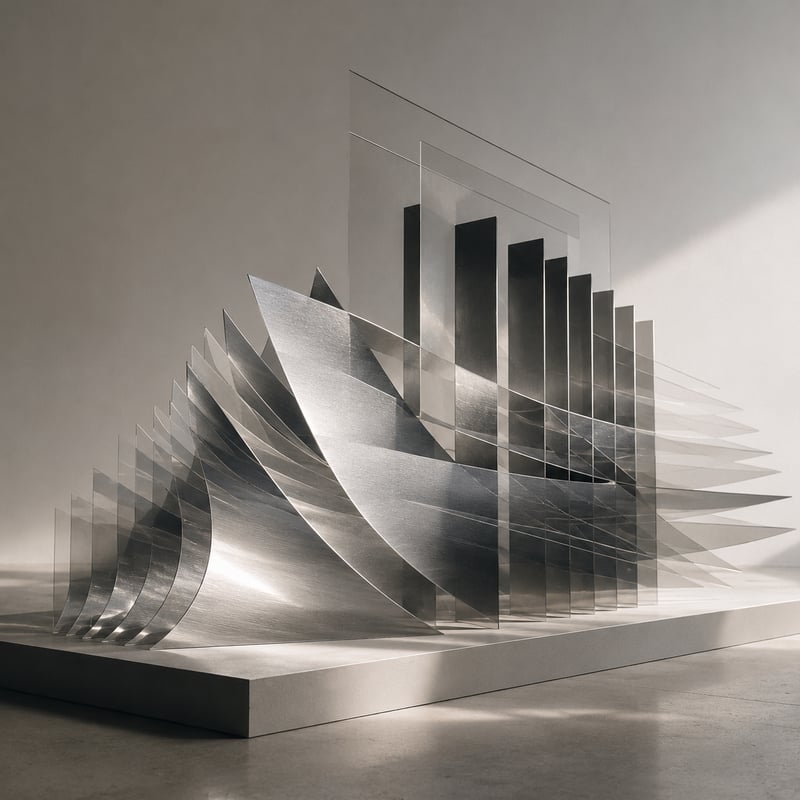
Futurism was an early 20th-century art movement that sought to capture the energy and dynamism of the modern world. The movement was launched by Italian poet Filippo Tommaso Marinetti, who published the Manifesto of Futurism on February 20, 1909. Futurism denounced the past and passionately embraced technology, industry, and the speed of modern life.
Can't find your Answer?
Thank you! Your question has been sent — we'll get back to you shortly.
