

What is appropriation?
- Show All
- Established
- Discoveries
- Show All
Artworks Related to Appropriation
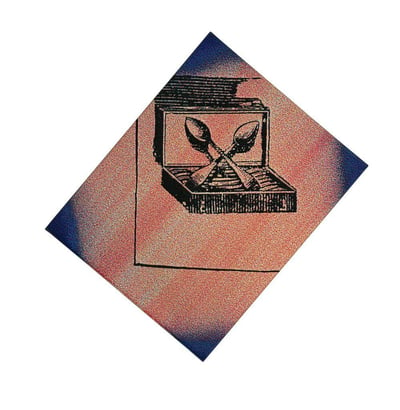
Sigmar Polke
Dr Pabscht het z’Schpiez s’Schpäckbschteck z’schpät bschteut, 1980/1991
Limited Edition Print
Mixed Media
EUR 13,000
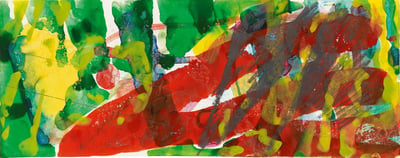
Gerhard Richter
L 8 (22.1.84), 1984
Painting
Mixed Media
Inquire For Price

Andy Warhol
Paloma Picasso, 1975
Limited Edition Print
Serigraph
Inquire For Price

KAWS
Four Foot Companion - Brown, 2007
Sculpture / Object
Mixed Media
Inquire For Price
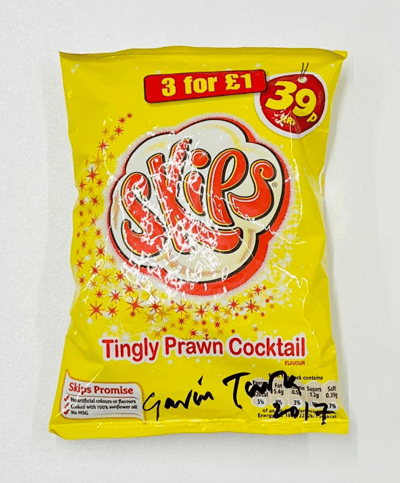
Gavin Turk
Transubsantiation, 2017
Sculpture / Object
Mixed Media
Inquire For Price
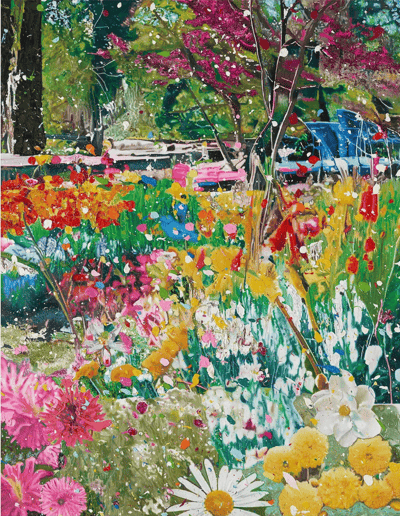
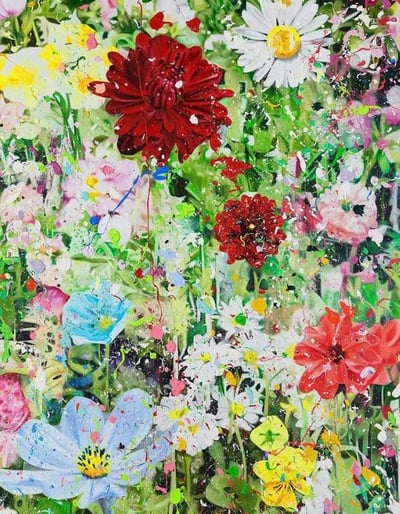
Damien Hirst
Tolerance (from Secrets), 2024
Limited Edition Print
Giclée printing
GBP 10,000 - 12,000
Damien Hirst
Resolution (from Secrets), 2024
Limited Edition Print
Giclée printing
GBP 10,000 - 12,000

Damien Hirst
Knowledge (from Secrets), 2024
Limited Edition Print
Giclée printing
GBP 10,000 - 15,000
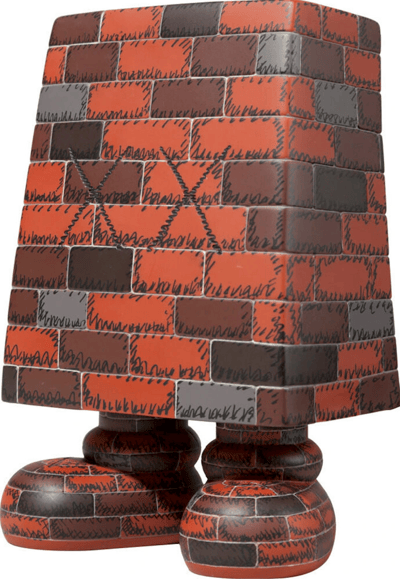
KAWS
Wonderwall (red), 2010
Sculpture / Object
Mixed Media
GBP 5,700

KAWS
Astro Boy (red), 2012
Sculpture / Object
Mixed Media
GBP 7,000 - 10,000
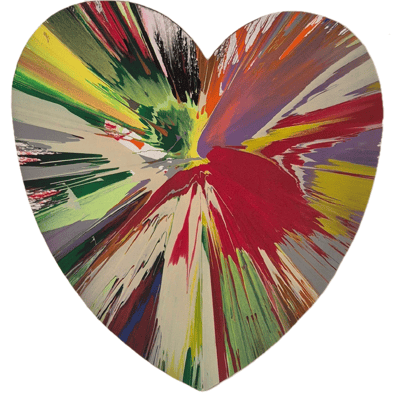
Damien Hirst
Untitled (spin - heart), 2009
Painting
Acrylic on paper
GBP 15,000 - 20,000
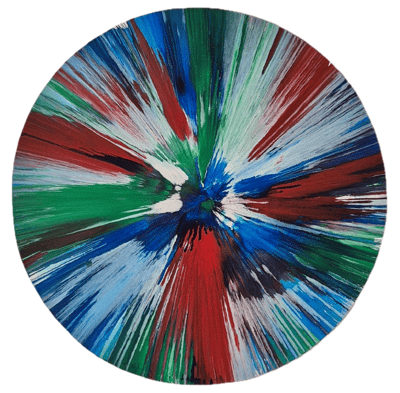
Damien Hirst
Untitled (spin), 2009
Painting
Acrylic on paper
GBP 15,000 - 20,000
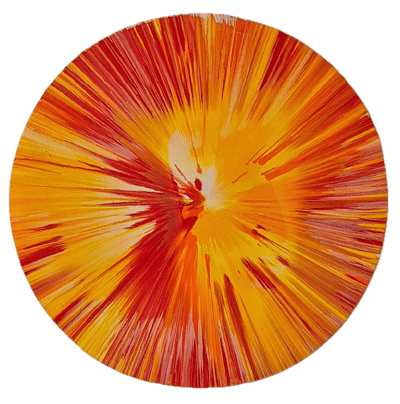
Damien Hirst
Untitled (spin - orange), 2009
Painting
Acrylic on paper
GBP 15,000 - 20,000

Andy Warhol
Lobster, 1979
Drawing / Watercolor
Graphite
Inquire For Price

Andy Warhol
The Lyon, 1975
Limited Edition Print
Mixed Media
EUR 4,000
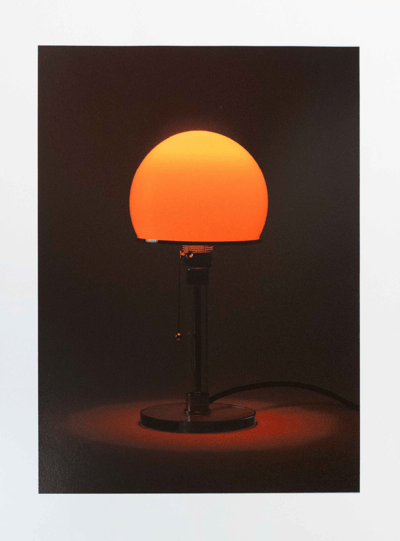
Jonathan Monk
Wagenfeld Sunsets I-VI, 376 B3, 2019
Photography
Inkjet print
EUR 1,500
Related Articles

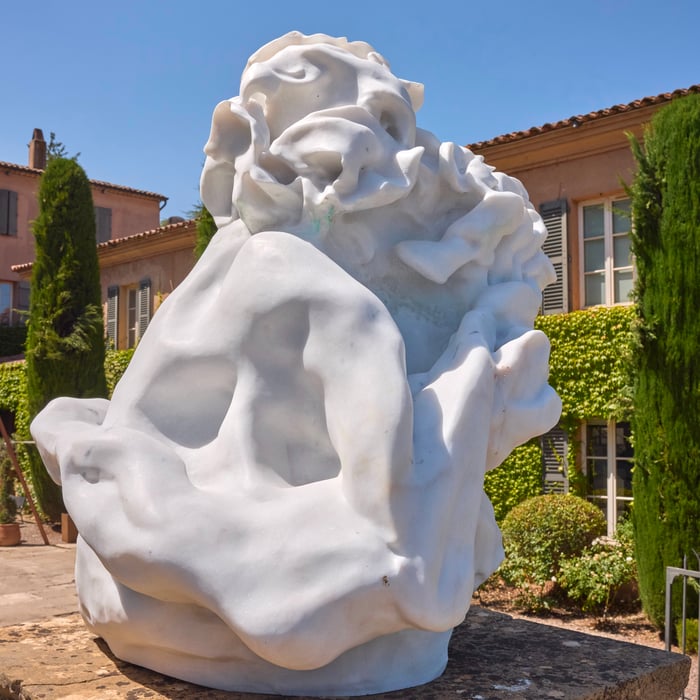
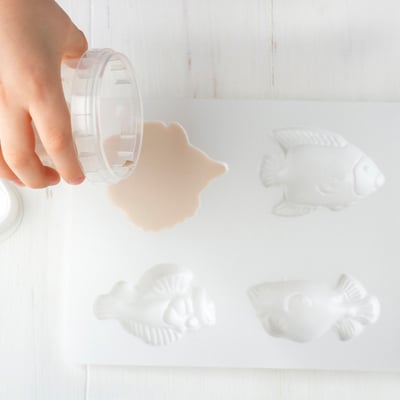
A cast is a form created by pouring a liquid material, such as plastic, plaster, acrylic, concrete, or mixed media, into a mold. Once the liquid cools and fully solidifies, the cast is removed from the mold, revealing the final shape. This process is widely used in sculpture, manufacturing, and various forms of art to replicate intricate designs and shapes.
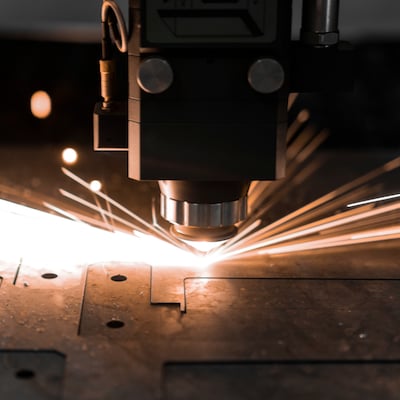
Metalcut was a relief printing technique used primarily in Europe from around 1450 to 1540. The technique involved using thin metal plates. One method involved cutting or hammering away parts of the plate that were not intended to print, while the other method used engraving to create white lines on a black background.

Embossing is a technique used to create raised designs or images on a surface, typically paper. Artists achieve this effect by altering the shape of the paper, often by pressing it from the reverse side using a template and a tool like a sanded dowel. The result is a design with multiple levels of depth, giving a three-dimensional appearance.
Can't find your Answer?
Thank you! Your question has been sent — we'll get back to you shortly.
