
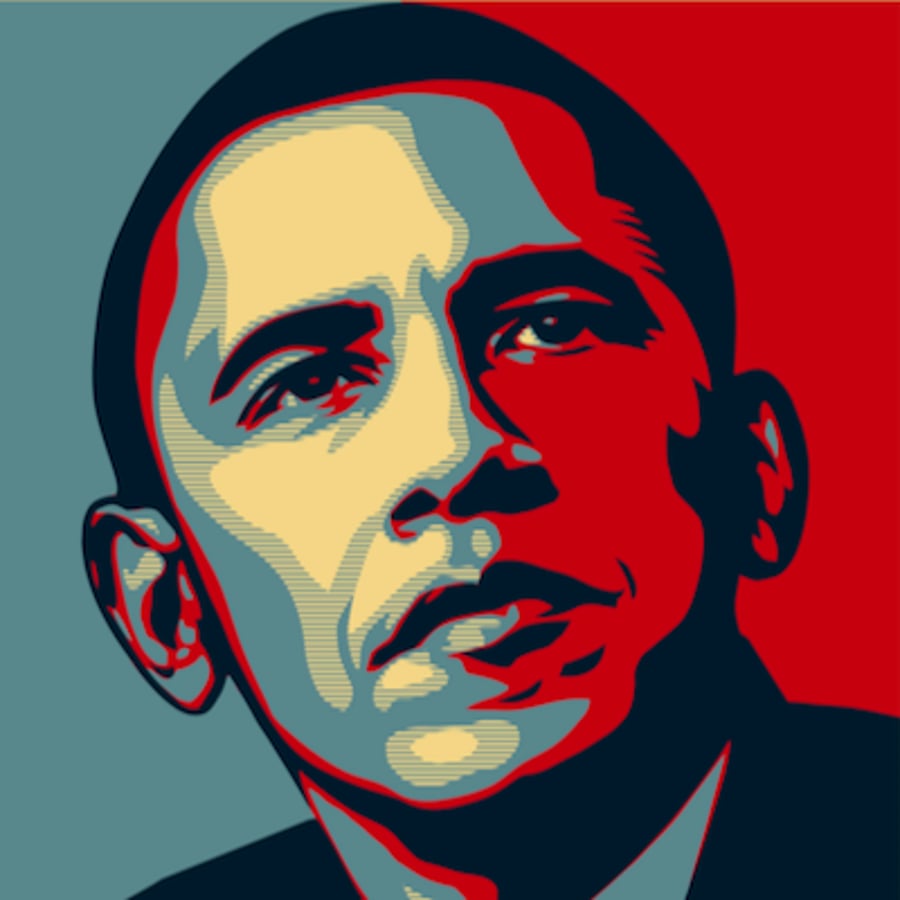
What is appropriation?
- Show All
- Established
- Discoveries
- Show All
Artworks Related to Appropriation
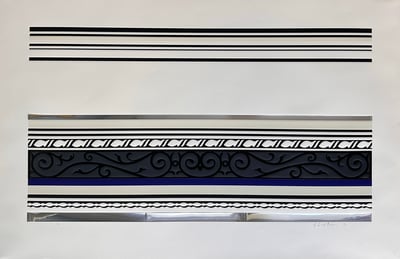
Roy Lichtenstein
Entablature IX (146), 1976
Limited Edition Print
Collage
EUR 20,000 - 25,000
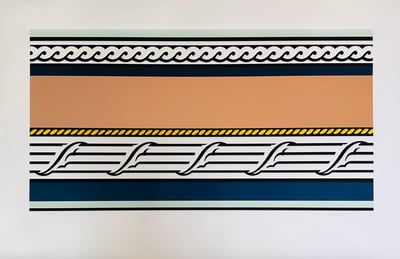
Roy Lichtenstein
Entablature IV (141), 1976
Limited Edition Print
Collage
EUR 20,000 - 25,000
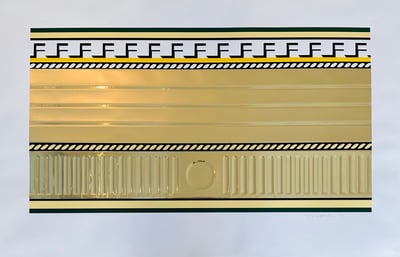
Roy Lichtenstein
Entablature III (140), 1976
Limited Edition Print
Collage
Inquire For Price
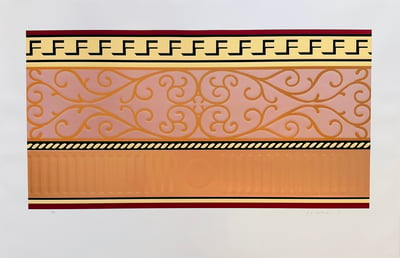
Roy Lichtenstein
Entablature II (139), 1976
Limited Edition Print
Collage
EUR 20,000 - 25,000
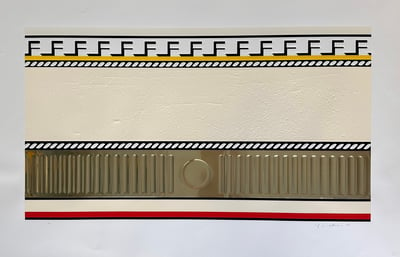
Roy Lichtenstein
Entablature I (138), 1976
Limited Edition Print
Collage
EUR 20,000 - 25,000
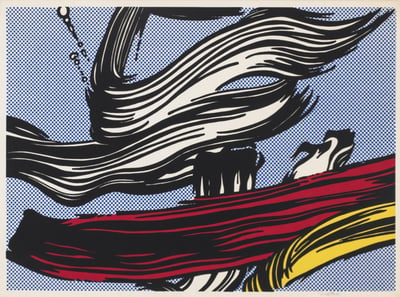
Roy Lichtenstein
Brushstrokes, 1967
Limited Edition Print
Screen-print
Inquire For Price
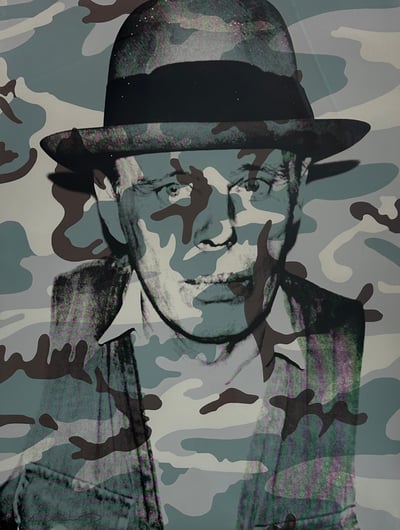
Andy Warhol
Joseph Beuys in Memoriam, 1986
Limited Edition Print
Screen-print
EUR 30,000 - 40,000

James Rosenquist
Universal Star Leg, 1974
Limited Edition Print
Collage
USD 3,200
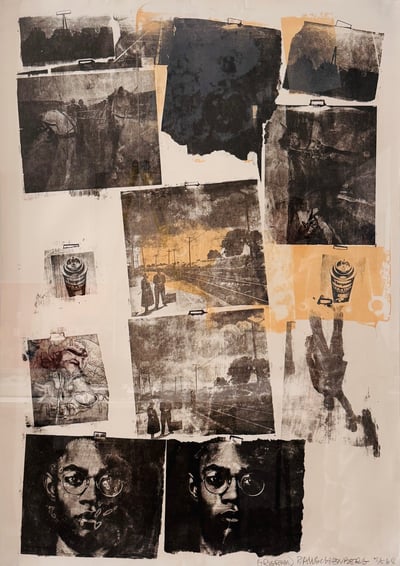
Robert Rauschenberg
Landmark, 1968
Limited Edition Print
Lithograph
USD 10,800
Robert Rauschenberg
Private Listing
Limited Edition Print
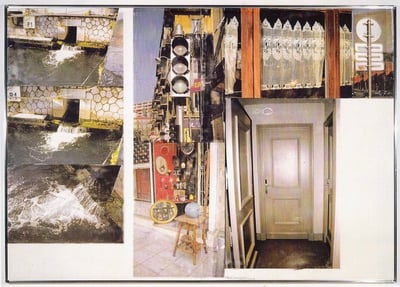
Robert Rauschenberg
Local Color (Scenario Series), 2006
Limited Edition Print
Monotype
Inquire For Price
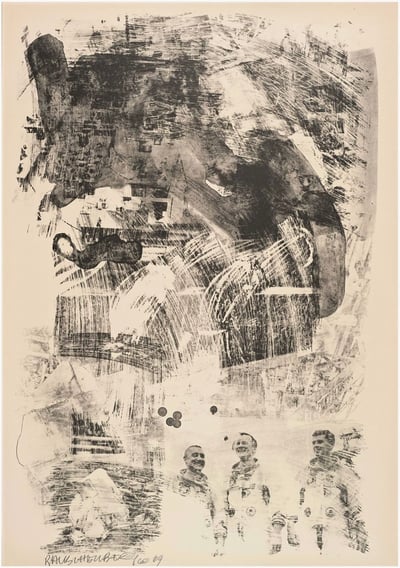
Robert Rauschenberg
Brake (Stoned Moon Series), 1969
Limited Edition Print
Lithograph
Inquire For Price
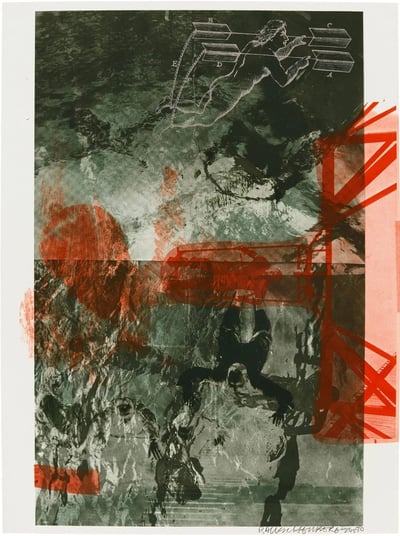
Robert Rauschenberg
Bait (Stoned Moon Series), 1970
Limited Edition Print
Lithograph
Inquire For Price

KAWS
Urge (portfolio), 2020
Limited Edition Print
Screen-print
USD 50,000 - 60,000
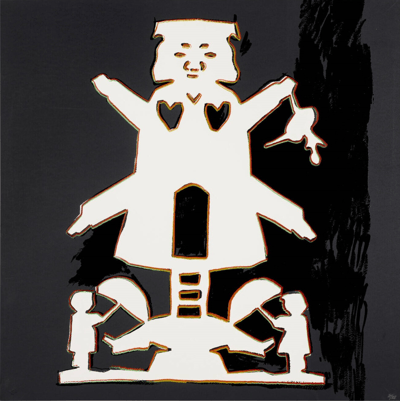
Andy Warhol
Hans Christian Andersen (Miller with two Ole Lukojes), 1987
Limited Edition Print
Screen-print
USD 8,400

John Baldessari
Falling Star, 1989-90
Limited Edition Print
Mixed Media
Inquire For Price
Related Articles
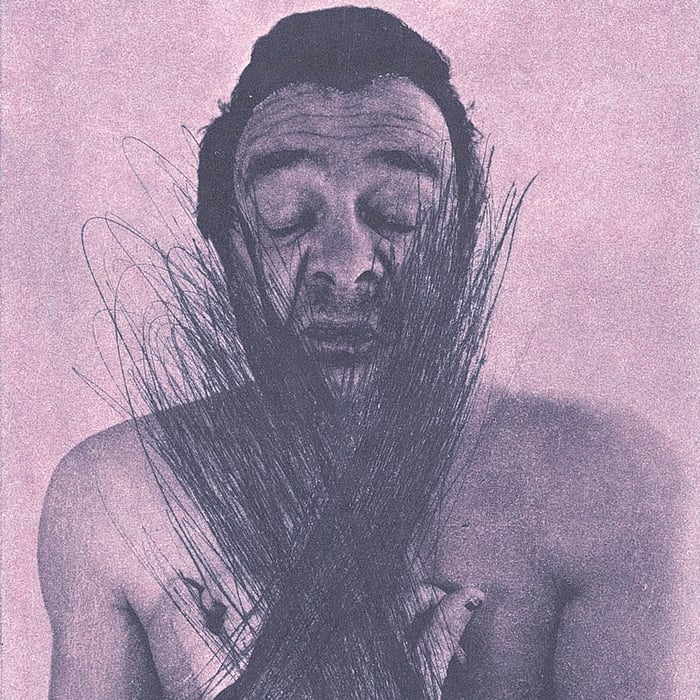
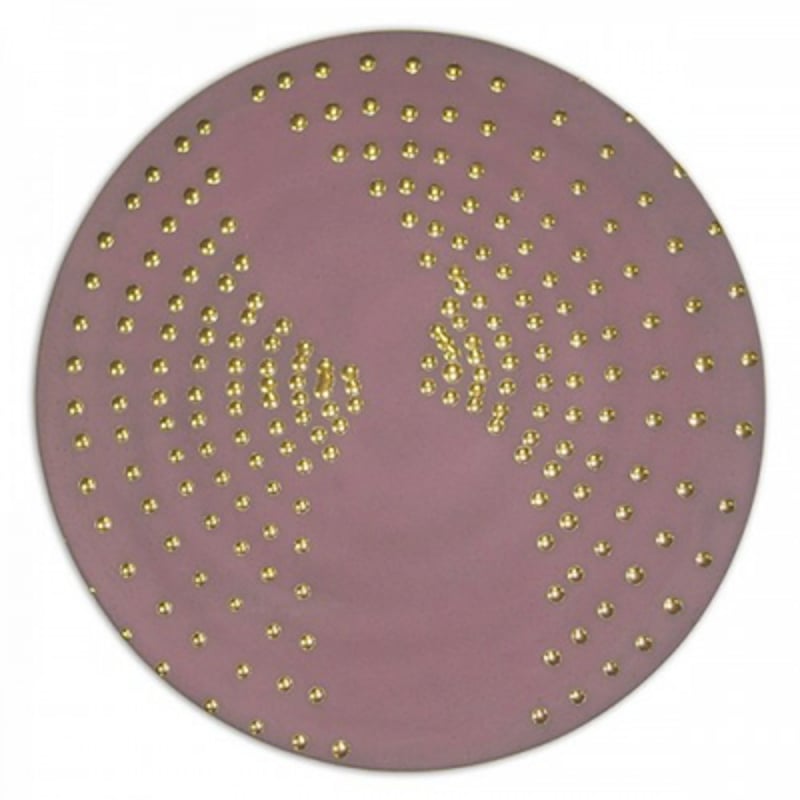
ZERO was an art movement founded by Otto Piene and Heinz Mack, aiming to develop into a large international and cross-border movement. The name ZERO originated from a magazine founded by Heinz Mack in 1957, which became a platform for the group's ideas. The magazine was published for several years before ceasing in 1967. The ZERO movement sought to create a new beginning in art, emphasizing light, space, and movement, and became influential in post-war European art.

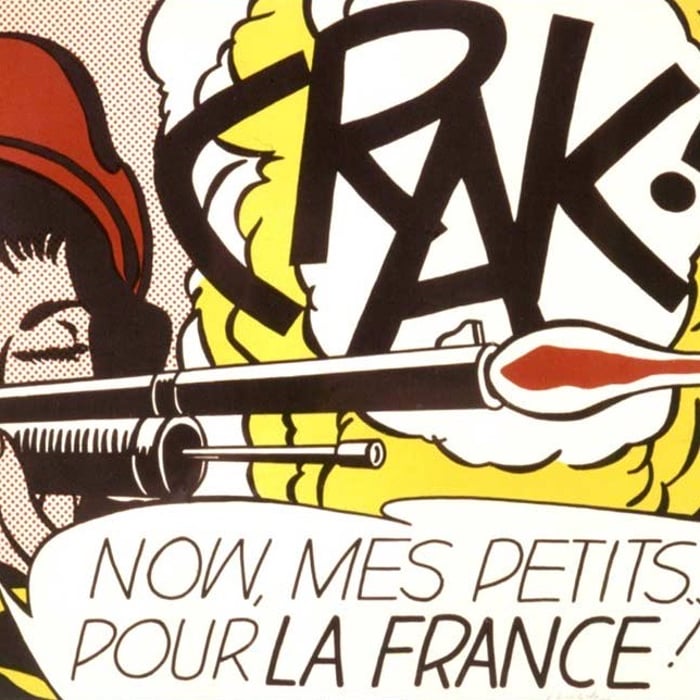
Digital art refers to art which is created using digital technology. It can be generated by computer, drawn or scanned with a tablet using a mouse. Video may be downloaded to computers so artists can manipulate images filmed with a video camera.
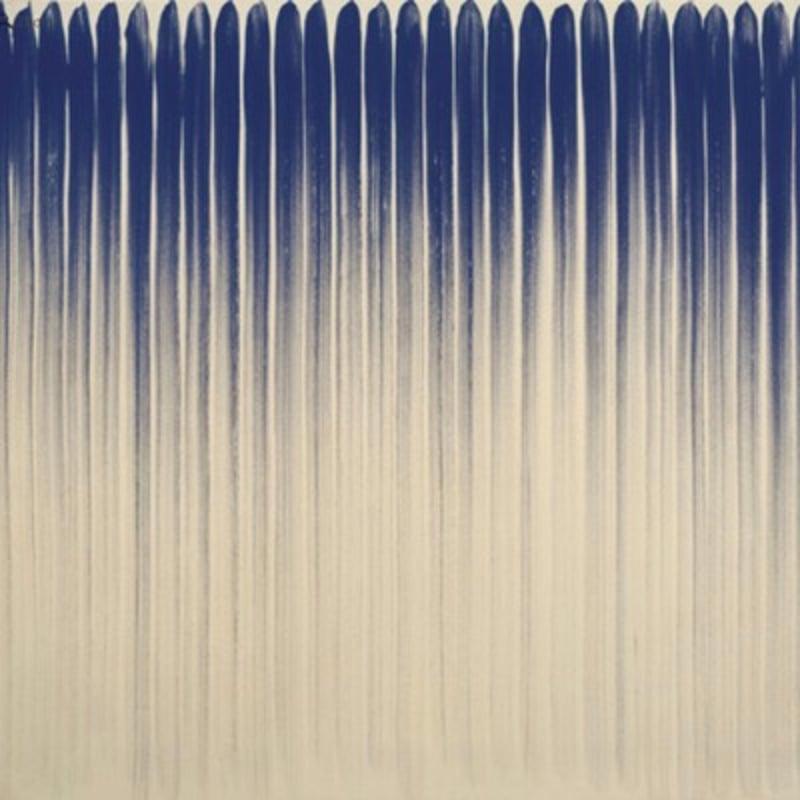
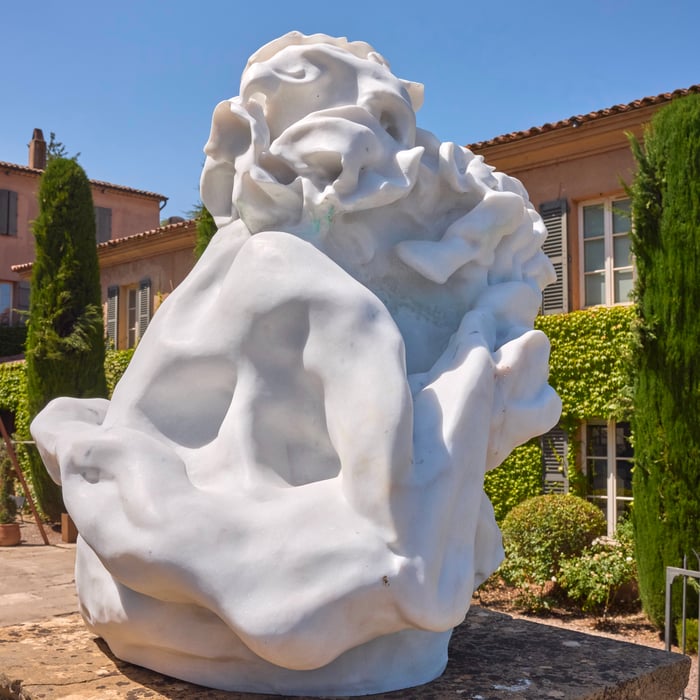
Meaning School of Things, Mono-ha originated in Tokyo in the mid-1960s. Instead of creating traditional artwork, the artists of Mono-ha used different materials and their natural properties to express dismay at the industrialization taking place in Japan at the time. The movement gained international attention and is now a widely respected form of art, known for its emphasis on the relationship between materials and their environment.
Can't find your Answer?
Thank you! Your question has been sent — we'll get back to you shortly.
